Guide to cabin bag allowances: current sizes and weight restrictions

Bag allowances can vary widely between airlines and fare types, so here’s a clear, up-to-date guide to what you can bring on board.

We’ve pulled together an easy-to-understand guide about cabin bag allowances, including cabin bag size rules, carry-on luggage restrictions, and airline baggage fees, for major airlines flying from Australia.

Understanding cabin baggage restrictions

Airline cabin baggage restrictions can be confusing, especially when different airlines have different rules around what you can take on board. Understanding your chosen airline's carry-on allowance and size restrictions means you can board with ease and avoid unexpected fees at the airport.

For most airlines flying from Australia, you can bring one personal item and one carry-on bag. In this guide, we’ll look at the size restrictions for different airlines. Discover all you need to know to pack and fly with confidence.
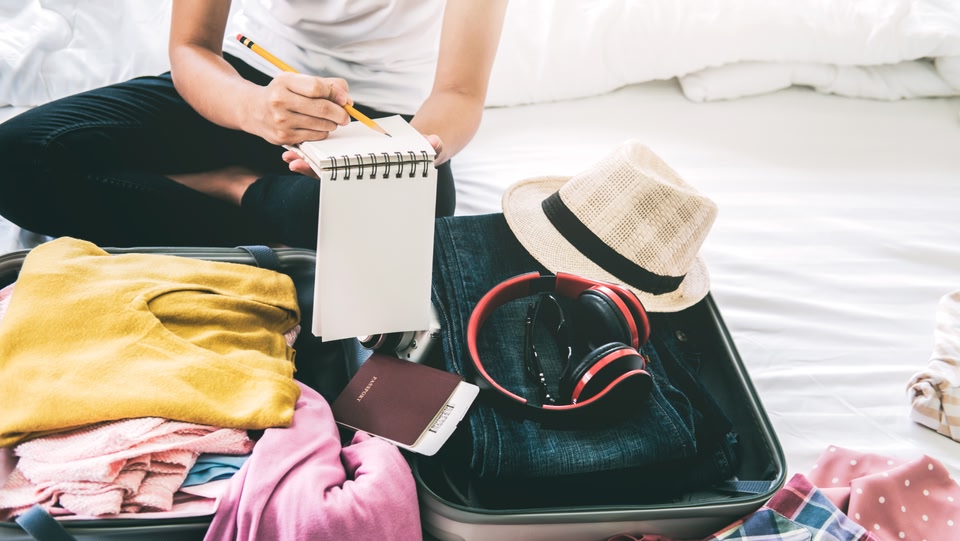
A person packing their luggage and making a checklist

Cabin baggage allowances by airline

Airline by airline

Different airlines have different carry-on restrictions in Australia which can cause confusion when deciding which bag to take on board with you. Here’s a breakdown of cabin bag size rules for economy flights for some of the main airlines flying in and out of Australia.

Airline

Cabin bag allowance

Max Dimensions

Max Weight

AirAsia

1 cabin bag +
1 small bag

56×36×23 cm
40×30×10 cm

7 kg combined weight

Air New Zealand

1 cabin bag +
1 personal item

The sum of H, W & D must not exceed 118 cm

7 kg combined weight

Cathay Pacific

1 cabin bag +
1 small item

56×36×23 cm
40x15x30 cm

Depends on route; most routes combined 7 kg weight

Emirates

1 cabin bag

55×38×22 cm

7 kg

Etihad Airways

1 cabin bag

56×36×23 cm

7 kg

Garuda

1 cabin bag

53×36×23 cm (the sum of H, W & D must not exceed 115 cm)

for Economy class CRJ and ATR: 41×34×17 cm with the sum of the three dimensions no more than 92 cm

7 kg

Jetstar

1 cabin bag +
1 personal item

56×36×23 cm

7 kg combined weight

Malaysia Airlines

1 cabin bag +
1 personal item

56x36x23 cm

7 kg

Qantas

1 cabin bag +
1 personal item

56×36×23 cm


7 kg

Qatar Airways

1 cabin bag +
1 personal item


50×37×25 cm

7 kg combined weight

Singapore Air

1 cabin bag +
1 personal item

The sum of H, W & D must not exceed 115 cm

7 kg

Thai Airways

1 cabin bag +
1 personal item

56×45×25 cm

7 kg

United Airlines

1 cabin bag +
1 personal item

56×35×23 cm
43×25×22 cm

No weight limit

Virgin Australia

1 cabin bag +
1 personal item

56×36×23 cm

7 kg combined weight

Information is correct as of 22 January 2026. Always check the latest guidance on the airline's website before booking a trip.

Our top tips for packing light to avoid checked baggage fees include

Opt for a light carry-on bag

A lightweight carry-on bag such as a canvas backpack, that’s as close to the permitted size as possible. This means you don’t waste precious kilos and can make the most of available packing space.

Use packing cubes

Packing cubes can help to compact clothes and other small items so you can fit more into your carry-on hand luggage.

Dress smart

Wear layers to avoid packing a bulky jumper or jacket into your carry-on-sized luggage. There are also specific items of clothing, such as coats, created especially for travellers which have lots of pockets for storing items.

Exceptions to carry-on allowances

Most airlines make certain exceptions to carry-on limits, allowing for items such as diaper bags, strollers, car seats, and mobility and accessibility devices. You'll likely be able to bring these items onboard at no extra cost, though you'll need to check the airline's official advice.

Cabin baggage allowances and hand luggage limits FAQs

Cabin bags, also called carry-on bags or hand luggage, are usually limited to around 7 to 10 kg for economy passengers. Sometimes this is the combined weight of the cabin bag with a personal item, while other times this weight limit is solely for the cabin bag. It’s always worth checking the airline’s specific cabin baggage allowances before you fly, as this limit can be less on some airlines and substantially more on others. Your ticket class might also dictate how much you can bring.

Cabin bags are often weighed and size checked, but not always. Whether your cabin bag is checked or not often depends on the airline, airport or even which check-in staff member is assisting you that day. For a stress-free check-in experience, we recommend ensuring your bag is within the weight and size limits the airline specifies. If the staff deem your bag too large or too heavy, it will be checked and you will likely have to pay a fee.

Generally, carry-on suitcases are more likely to be weighed than small backpacks or bags that can slip under the seat in front of you.

A personal item usually refers to a purse/handbag, a backpack, or an electronics bag, such as a camera case or a laptop bag. It might also be an umbrella, book or pillow. The rule of thumb is that the ‘personal’ item should be compact enough to be stowed under the seat in front of you. Some airlines refer to this as a ‘small item’, which is usually an object or small bag rather than a backpack. Your airline might combine your personal or small item weight with your cabin bag weight allowance.

It’s strongly recommended that you measure and weigh your cabin bag at home before you leave for the airport as this will ensure it fits your airline’s requirements. However, if you do get to your flight and your cabin bag is oversized or overweight, the likelihood is that you’ll be asked to check it into the hold for a fee. Should this happen, make sure you remove any essentials, such as medication, that you might need during your flight.

Some airlines, such as AirAsia, Air New Zealand, and Cathay Pacific permit passengers to bring a small backpack (classed as a personal item or small item) and a cabin suitcase on board. The backpack must fit under the seat in front of you and your cabin suitcase will go into the overhead bin. Airlines including Emirates, Etihad, and Singapore Air only permit a cabin suitcase with no additional items allowed.

Check your airline’s personal/small item restrictions to ensure you stay within size and weight limits.

There are numerous items you’re not allowed to pack into your cabin bag when flying from Australia, typically for safety reasons. Firearms, weapons (including replicas), sharp items (including manicure scissors or tweezers with sharp points), and liquids in containers over 100ml in size are not allowed in your cabin bag. If in doubt, pack the item into your checked bag or leave it at home to avoid it being confiscated. Once you’re through airport security, you can buy liquids in containers over 100ml, such as drinks or lotions, and take these onto the plane in your bag.

There may be a small difference in carry-on allowance when flying domestically rather than internationally, as domestic flights sometimes permit slightly larger carry-on bags. However, it’s best to check details with your specific airline before travelling to avoid costly fees.

If you can get everything you need into your cabin bag, you’ll find this comes with plenty of benefits. You’ll enjoy a speedier airport process as you won’t need to spend time checking in a bag, and your flight is likely to be cheaper as you won’t need to pay fees to add extra luggage to your ticket. You also won’t need to wait at the luggage carousel when you get to your destination as you’ll have everything with you.

The standard carry-on suitcase size used by most airlines is 55x40x20cm (including wheels and handles), though some airlines allow slight variations, so it’s always worth checking your airline’s specific limits before you fly.

Now you know the cabin bag allowance for your chosen airline, you can start planning your trip with confidence. And, to get the heads up on flight deals as well as exclusive offers from our partners, expert hacks, and travel inspiration, you can create your free Skyscanner account.

As well as giving you access to the newsletter, it also makes it easy to set up Price Alerts and cheap round-trip flight emails. With Skyscanner on your side, you’ll always stay informed and save money on your travel plans.

Skyscanner can help you find the best flights, hotels and car hire deal for your next trip.