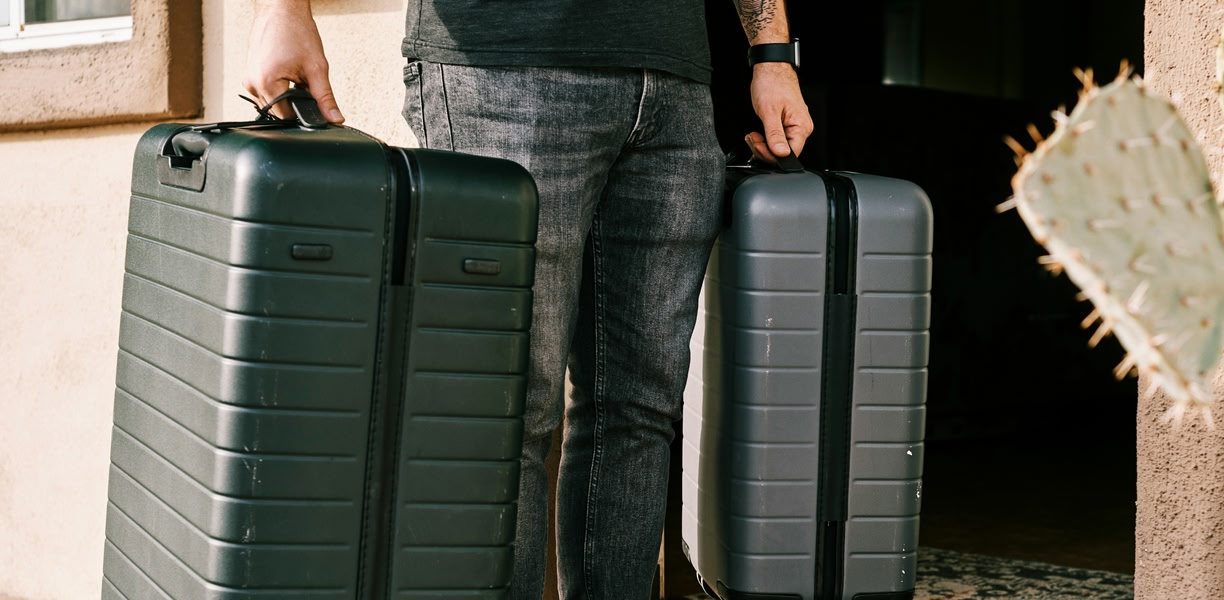
What you can carry with you on a plane from Australia isn’t always straightforward.
Some of us have had the experience of getting pulled aside in the airport security line for something mundane, like a pair of manicure scissors. So to fly in line with the rules, here we’ll cover everything you need to know about carry-on rules for Australian flights.
Domestic versus international travel carry on allowances
Rules differ across airlines and countries
Domestic flights and international flights have different rules when it comes to what’s allowed on board. You might be excited to hear that on domestic flights, there’s no limit to the amount of powders, liquids, gels, and aerosols you can tuck into your carry-on baggage as long as it meets the weight and size limit of the airline’s carry-on restrictions.
However, if you’re travelling on a domestic flight that is transiting through an international terminal, you’ll likely be subjected to international carry-on restrictions.
On international flights, passengers travelling in and out of Australia must adhere to strict liquid, gel and aerosol measurement rules.
What are the powder, aerosol or gel restrictions for carry-on luggage?
Limits apply depending on the material
All liquids, aerosols and gels must be placed in containers 100ml/100g or less. These containers must fit into one transparent and re-sealable plastic bag, limited to one per person. The bag’s perimeter cannot measure more than 80cm in total. If a container is only half filled but capable of carrying more than 100ml/100g, it will not be allowed.
The aviation industry chooses to differentiate between inorganic and organic powders. Inorganic powders (like sand, foot powder, salt) must not exceed 350g or 350ml per person. There are no weight restrictions for organic powders – powders derived from living matter (including coffee and powdered milk). Most powder cosmetics fall into the organic category. Downsize your powder containers as much as possible to fall under the 350g threshold. Containers are included in the total weight.
There are a few items that are exempt when it comes to carry-on restrictions including baby formula, medical items and medications. You may need a doctor’s note for medical items, and the name on prescription medication must match the name of the traveller’s boarding pass. A more complete list of exempt items can be found on the Australian Border Force website.
Prohibited items in Australian carry-on luggage
What not to pack
Items classed as “dangerous goods” are not allowed to come on board an aircraft in a traveller’s carry-on bag. These include any items or substances that could pose a threat to other passengers. While some items, like knives and guns, are obvious no-gos, there are many others you might not be aware of. Below we list some of the prohibited items for carry-on luggage.
Flammable items
Including items with flammable ingredients
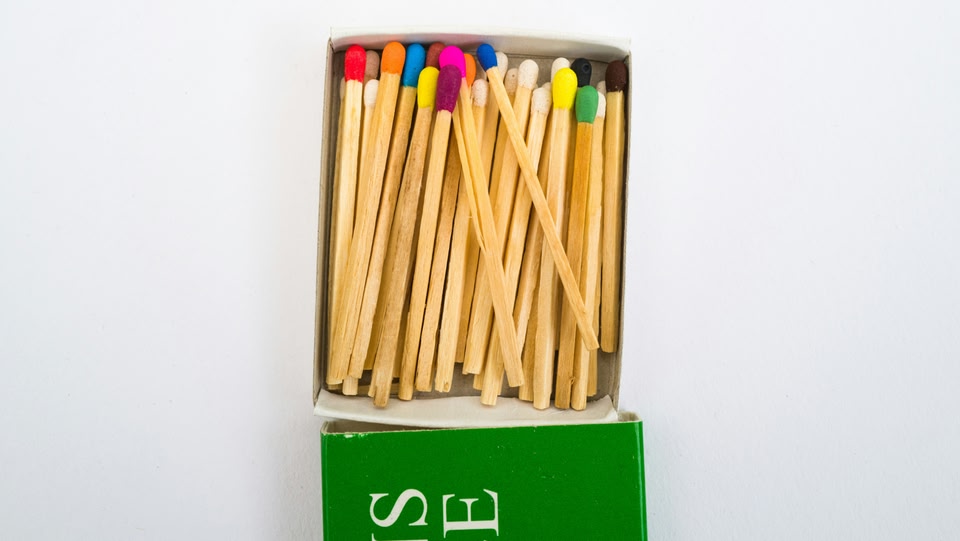
This not only includes petrol, butane, and gas but also items with flammable ingredients such as fuel or petrol-based paint, spray paint, insect repellent, and vehicle batteries. This also extends to flares, gunpowder, fireworks, party poppers, sparklers, lighters, and matches.
Potential weapons
The obvious and not-so-obvious
Items you can't take in your carry-on include obvious weapons like firearms and ammunition, but also any items with sharp edges or points. We’re talking axes, manicure scissors, darts, ice skates, metal cutlery, open razors or utility knives. This also extends to any blunt items, like bats, hockey or lacrosse sticks or golf clubs.
Chemicals and toxic substances
Calling all decorators and cleaners
Any harmful chemicals will not be allowed in carry-on such as paint stripper, hydrogen peroxide, bleach, oven cleaner and chlorine. This also includes mercury-containing instruments like thermometers, switches and barometers.
Tools
Any tools will need to be checked into the hold
Power tools and hand tools are not permitted in carry-on luggage, and this also includes cable ties as they could be used as handcuffs.
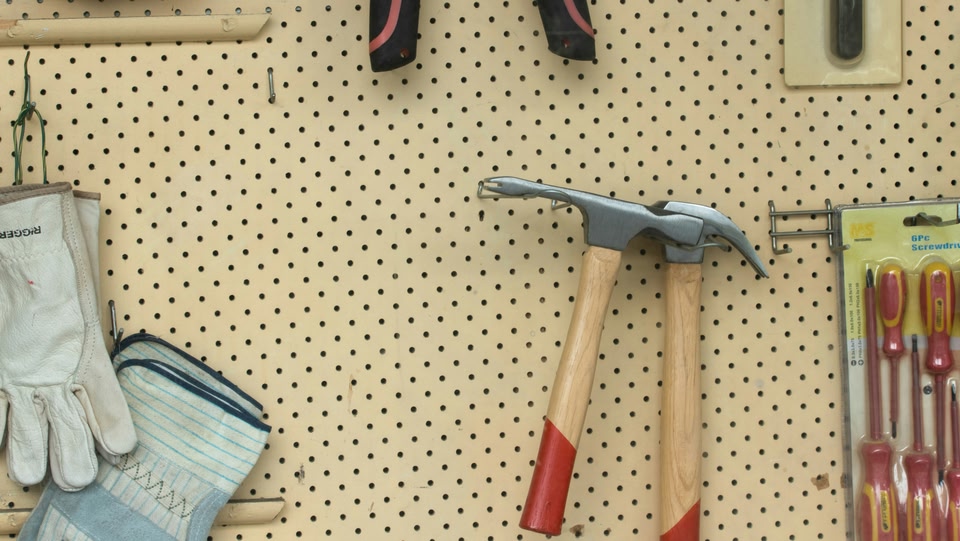
Unlikely items that are also prohibited
There are items that you may not consider to be dangerous
Australian airport carry-on restrictions include any items that could be used as a weapon. For example, manicure scissors and corkscrews should not be packed in carry-on bags due to their sharp points. And large liquids over 100ml, such as body lotions and drinks, will be confiscated. Always check the Department of Home Affairs website before travelling.
What size baggage is considered a carry-on in Australia?
Make sure you bring the right sized bag
Every airline sets its own standard when it comes to what they allow passengers to carry onto the plane. Carry-on allowances can even vary in one airline depending on the size of the aircraft, your cabin class, and your route. Carry-on weight allowance for most major airlines servicing Australia ranges from 7kg to 14kg on average.
Bulky items, like musical instruments or sporting gear, are often allowed as a carry-on if they don’t exceed the weight and total size limits for carry-on luggage of the airline. If you’re bringing an extra-large item, like a cello, you might be able to carry it on if you’ve purchased an extra seat. For more information, take a look at our guide to carry-on allowances which includes the information you need about carry-on restrictions and rules in Australia.
Frequently asked questions about carry-on baggage
Now you know everything about carry-on allowances, what’s permitted, and what you’re not allowed to pack, you can book your flight with confidence. For the latest official travel advice, check Smartraveller.gov.au.
Looking for the cheapest flights? Skyscanner helps you find the best flights, hotels and car hire deals for your trip.


