
Excess baggage fees can quickly blow your travel budget, but with a few smart packing and booking strategies, you can keep costs down and fly without paying more than you need to.
Is there anything worse than unexpected baggage fees? From understanding airline baggage rules to making the most of carry-on allowances and pre-purchasing extras, this guide breaks down simple, practical ways to avoid unexpected charges at the airport. Plus, we'll let you know the latest excess baggage fees from major airlines.
What are excess baggage fees?
Excess baggage fees are charges that you incur if your bags exceed the dimensions or weight allowances set by your airline. These additional fees can significantly increase your travel costs and cause delays at check-in.
Excess baggage can refer to bags that are overweight, oversized, or exceed the number of allowed pieces. For example, an overweight bag on a domestic flight might incur a $50 fee, while an additional checked bag on an international flight could cost $100 or more. Some airlines waive fees for certain items, while others don't. It's important to note that baggage allowances and excess baggage fees vary widely between airlines. Always check your chosen airline's policies for the most accurate information.

Tips for how to avoid excess baggage fees
There are lots of ways to ensure you won’t get charged those annoying excess baggage fees – but don’t worry, you won’t have to wear your entire wardrobe. From choosing a lightweight bag, cracking out the scales, or sharing packing space, here are our top tips for avoiding additional fees for excess baggage.
1. Pay for extra bags online and in advance
If there’s a chance you’ll exceed your baggage weight or size limit, pre-booking extra or excess luggage is almost always cheaper than paying at the airport. Most airlines offer online discounts of up to 50%, and you can usually purchase additional baggage by weight or by piece, saving both money and time in airport queues. Budget carriers such as Jetstar offer extra baggage from around $25, so upgrading in advance is a smart move if you’re unsure how much you’ll be carrying — and it can help you avoid much steeper fees later.
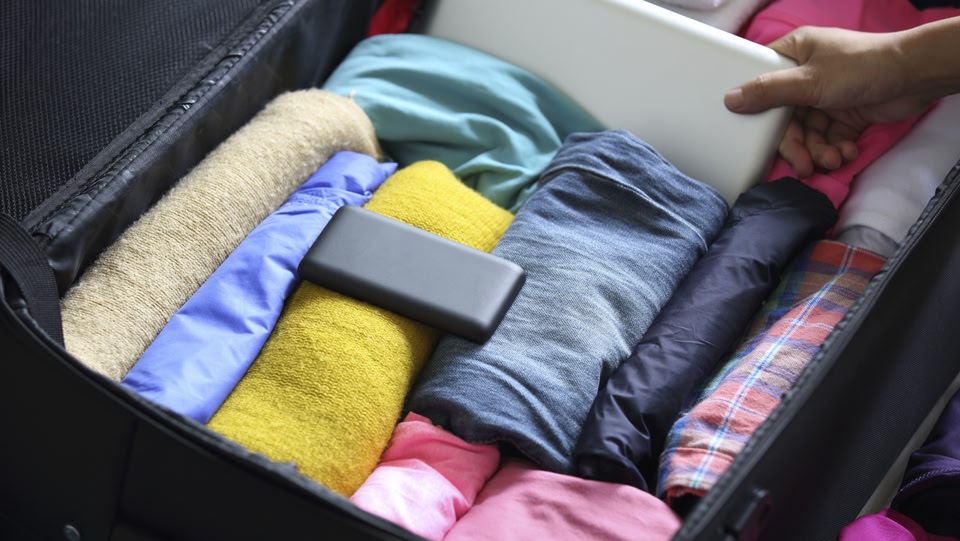
2. Weigh your bags at home
It may sound obvious to weigh your bags before you leave, but so many people rely on the ol’ pick-it-up-and-guess trick, and if you’re off by a couple of kilos, it can hit your wallet where it hurts. Double-check the weight of your bag once you’ve packed to avoid excess or overweight baggage fees, and if you’re over, you can take out a few things.
However, trying to weigh your bag on bathroom scales can be harder than being an acrobat in Cirque du Soleil, so we recommend portable luggage scales. These cheap, handy tools are also small and easy to pop in your bag, especially useful if you’re the kind of traveller who loves to shop. These magic little gadgets will save you from having to deal with excess baggage fees on the return journey.
3. Spread out your luggage allowance
If you’re at the check-in desk, and horror of horrors, your bag is terribly overweight, you can fall on the mercy of a travelling partner – especially if they’re a light packer. Swap a few things around and even out the load between your bags. Most airline staff will allow you to do it near the desk, but you can always pop to the side and quickly sort out your bags if you’re worried about holding up the line.
A small tip? Load the heaviest of your bags first at the check-in counter. That way, if it's overweight, you still have the remaining bags to offload your extra weight into. If your lighter suitcase is checked in first, you may struggle to get it back.
If you’re a planner, and the thought of a last-minute pack-fest is not your idea of a good time, some airlines let you buy your baggage by kilos, so you can purchase a set amount and spread it out over a couple of bags. This way, it won’t matter if the two bags are unevenly weighted as long as they don’t exceed the total limit.
4. Buy lightweight luggage
The kilos can climb just from the weight of your suitcase alone. Some options can weigh up to 5kg – empty! Lightweight and durable baggage options will let you bring all those extra souvenirs you just had to buy, without racking up annoying excess baggage fees. If you're only travelling with clothing, it could be worth using a nylon duffle -- lighter than a hard suitcase. Older suitcase models can have heavy frames, which can eat up your weight allowance, so definitely check out the new lightweight models are available.
Excess charges for airlines in Australia
How much will I be charged if a bag is overweight? Excess charges vary by airline. To help you out, we’ve put together a handy list so you can cross-check your airline to know exactly how much you could be charged.
Note that prices for excess baggage tend to vary by route and whether your excess baggage has been pre-paid or paid at the airport. Some airlines also price excess baggage as a percentage of the standard baggage fare. The following fares are tailored for travellers within and from Australia.
Airline | Excess baggage charge (pre-paid) |
|---|---|
Air Canada excess baggage charges range from $100–$120 CAD ($110–$132 AUD) for an overweight bag, and $225 CAD ($245 AUD) for an additional checked bag. | |
CNY 380–980 ($80–$210 AUD) for excess baggage within the allowed number of pieces, with additional checked pieces starting from CNY 1,400 (around $300 AUD). | |
USD $50–$135 ($75–$200 AUD) per bag, with overweight baggage charged at USD $180 ($270 AUD). | |
USD $100 ($150 AUD) per extra bag, from USD $100 ($150 AUD) for overweight baggage. | |
JPY 9,000–15,000 ($95–$160 AUD) additional bag, JPY 6,000–20,000 ($65–$215 AUD) for an overweight bag. | |
CNY 1,000–2,000 ($210–$420 AUD) for an additional bag, with overweight baggage (23–32kg) charged at around CNY 1,000 ($210 AUD) per piece. | |
Extra checked bags start from about CNY 1,380 ($290 AUD), while overweight baggage fees range from CNY 500–3,000 ($105–$630 AUD). | |
Additional checked bags typically cost around USD 200–USD 250 ($300–$375 AUD) per piece, and overweight/oversized charges of about USD 75 (~$110 AUD) apply per bag. | |
Etihad Airways charges for excess baggage start from USD $70 USD ($105 AUD) per every 5 kg. | |
Fiji Airways excess baggage weight charge starts from $260 AUD per extra piece. | |
Jetstar’s excess baggage weight charge starts from $30 AUD per kg (domestic flights), from $50 AUD per kg(international flights). | |
€30–€240 (~$50–$380 AUD) per extra baggage and overweight/oversized baggage fees range from €75–€300 (~$120–$470 AUD). | |
USD $130–$200 (~$195–$300 AUD) per extra piece and USD $100 (~$150 AUD) per overweight bag. | |
Qantas excess baggage charges start at $150-300 AUD per extra piece and from $60 AUD for the Qantas overweight baggage fee. | |
$5.50 per extra kg or $16.50 per oversized piece. | |
Singapore Airlines | Singapore Airlines' extra baggage price starts at USD $40 ($60 AUD) per piece and USD $6 ($9 AUD) per kilogram for overweight baggage. |
From USD $100 ($150 AUD) per extra piece, overweight bags begin at USD $100 ($150 AUD). | |
USD $200 (~$300 AUD) for additional baggage, USD 200 (~$300 AUD) per bag for overweight penalty. | |
Excess baggage charges on Virgin Australia start from $72 per piece. |
The charges were valid as of January 2026. They are provided for illustrative purposes only and are subject to change.
Some oversized or overweight baggage can be classed as cargo and subject to additional fees if you’ve exceeded the airline’s maximum weight restrictions. Excess baggage weight charges vary according to route and/or destination. Typically, an overweight bag is classed between 23-32kg on long-haul flights.


