Holidays to Ireland
Top destinations in Ireland
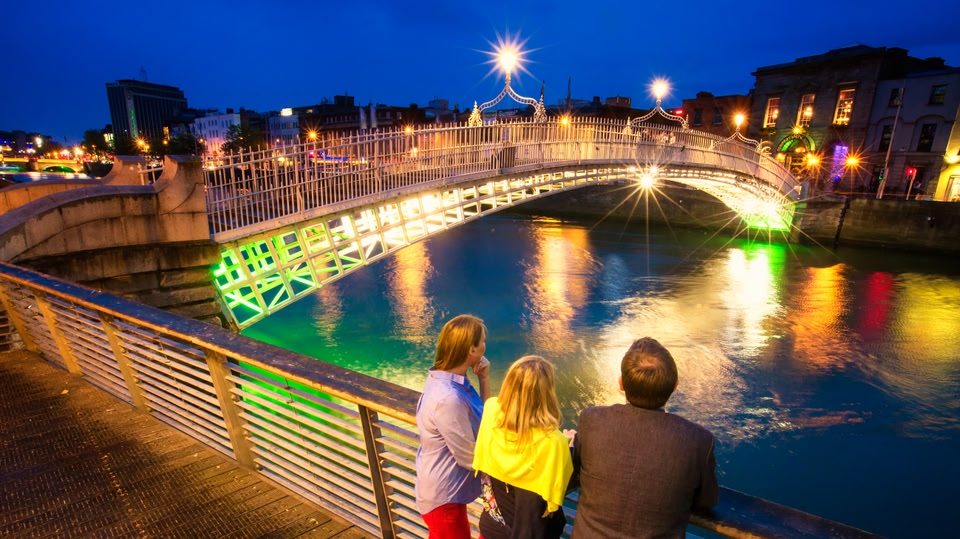
Dublin
Quaint, verdant and cosmopolitan, Dublin is a compact city with a big heart. You’ll find culture, incredible food and plenty of opportunity for lively chats with the locals.

Cork
Cork is a colourful gem tucked into Ireland’s rolling green hills. Come discover its grand castles, up-and-coming eateries and cosy pubs where the music never stops.

Galway
Craving the perfect city break? Galway boasts literary festivals, historic watering holes, family-run bookshops and enough classic Irish charm to keep you coming back for more.
Ireland: fast facts
| Language | English, Irish |
|---|---|
| Currency | Euro (€) |
| Time zone | UTC+0 (GMT) and UTC+1 (IST - Irish Standard Time) |
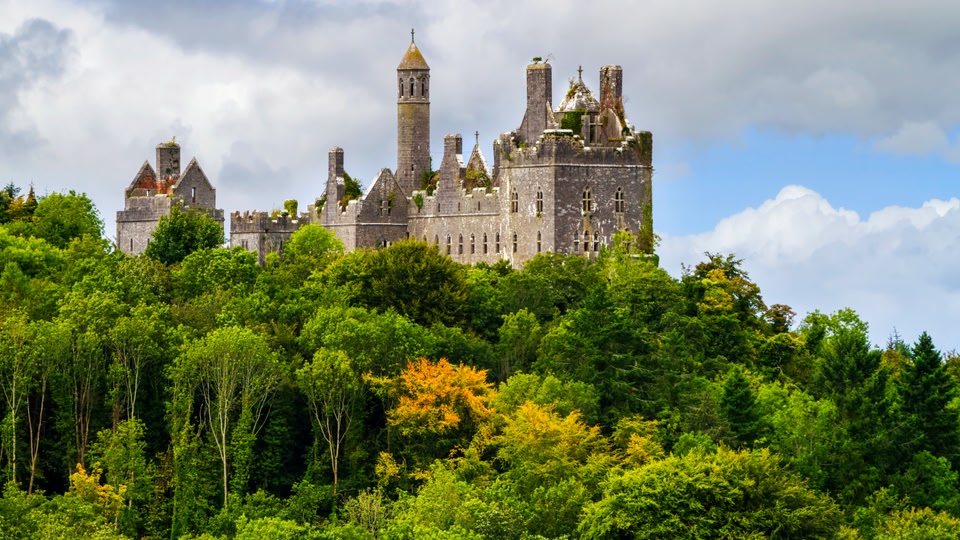
Ireland holiday highlights
The open road
Ireland was made for road trips, with routes like the Wild Atlantic Way and The Ring of Kerry taking in some of the country’s most arresting coastline. Hike up 670 steps to the island monastery of Skellig Michael, home to Luke Skywalker in ‘Star Wars: The Force Awakens’. It’s only open between May and September, so book tickets far in advance to avoid disappointment.
History and myth
The UNESCO-listed Brú na Bóinne in County Meath is one of the world’s most magical Neolithic tombs. Visit during the winter solstice and enter a lottery in hopes of witnessing the shaft of sunlight as it hits the burial chamber. And learn about the exploits of Ireland’s pirate queen, Gráinne ‘Grace’ O’Malley, at the Granuaile Visitor Centre in County Mayo.
World-famous beer
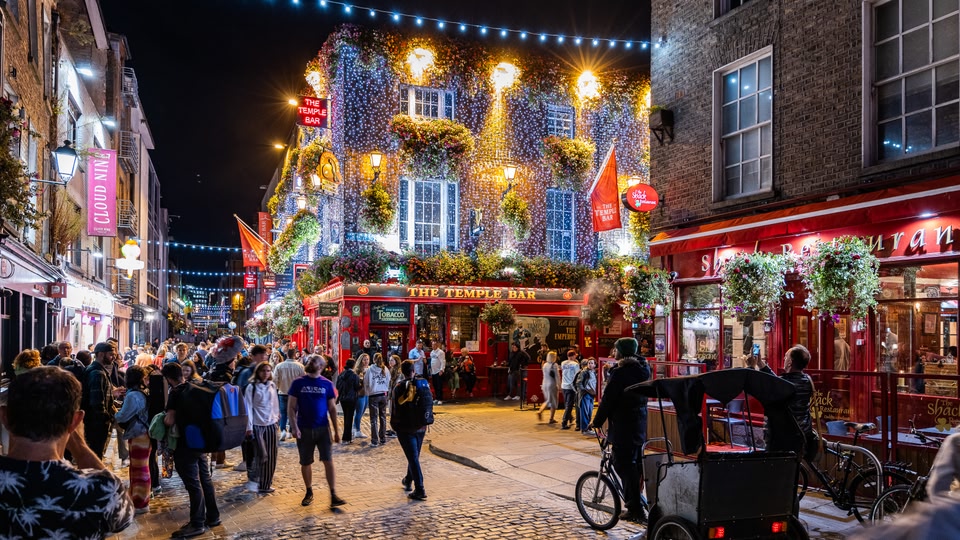
One of the best things to do in Ireland is to learn how to brew the world’s most popular stout at Dublin’s Guinness Storehouse. From there, follow the sound of fiddles, flutes and banjos to the trad sessions of Temple Bar. On the Dublin Literary Pub Crawl, raise a pint to Irish literary icons Joyce, Wilde and Behan as actors bring their works to life.
Things to do in Ireland
Top attractions
The Cliffs of Moher are Ireland’s most beloved natural attraction. Arrive early to catch them bathed in soft morning light. For a taste of the country’s famous pub culture, look no further than Dublin’s Temple Bar. The Ring of Kerry offers some of Ireland’s most stunning scenery. Be sure to stop at Ladies’ View, named after Queen Victoria’s ladies-in-waiting, who admired the panoramic landscape during her 19th-century visit.
Beaches
The Forty Foot is a historic swimming spot located in Dublin Bay and a focal point of the community come rain or shine. You’ll join generations of gutsy Dubliners as you take an invigorating plunge into the Irish Sea. Surf the world-renowned waves of the Wild Atlantic Way in Lahinch, a charming west coast beach town well stocked with pubs, restaurants and inns.
Nature
Gaze down at the crashing Atlantic Ocean from the Cliffs of Moher, keeping your eyes peeled for Ireland’s largest puffin colony. Hike the Slieve Foye Loop Trail, where, according to local lore, the country’s last remaining leprechauns hide amid the craggy hills. Or kayak on Lough Hyne’s bioluminescent surface. Prehistoric worlds come alive on County Kerry’s Valentia Island, where fossilised tracks date back 385 million years.
Culture and museums
Dublin’s EPIC The Irish Emigration Museum is one of the top museums in Ireland, documenting the struggles of people driven to distant lands by famine. The Little Museum of Dublin is a crowdsourced effort to tell the story of this great city, with a room dedicated to U2. In the town of Cobh, the Titanic’s last port of call is remembered at the Titanic Experience.
Cuisine
Fuel up for a day of outdoor adventure with a full Irish breakfast — eggs, sausages, baked beans and mushrooms. On your return, settle in with a warming bowl of Guinness stew. Restaurants in Ireland have upped their game in recent years, and many highlight fresh seafood pulled straight from the Atlantic. For a unique holiday activity, try traditional seaweed foraging with the Sea Gardener in County Waterford.
Family friendly
Ireland’s capital is packed with family-friendly activities. Dublinia brings the city’s Viking and medieval history to life with interactive exhibits, dress-up and games. Grab your dancing shoes and learn to dance the Irish jig at an interactive show. The Aran Islands are best explored by bicycle. While here, stop by a workshop where artisans spin wool, just as they have for centuries.
Find the best time to visit Ireland
Weather in Ireland
March – May: Mild temperatures, blossoming wildflowers and smaller crowds make spring ideal for road trips and outdoor adventures. Irish weather is famously changeable, so pack layers and an umbrella.
June – August: Summer brings highs of around 19°C, long daylight hours and lively festivals. It’s the peak season for exploring coastal drives and hiking trails. Rain is always a possibility.
September – November: Autumn lights up the landscapes with brilliant foliage, especially in places like Killarney National Park. Cooler weather and fewer tourists make this a great time for hiking, but be ready for rain.
December – February: Winters are wet, windy and chilly, with highs around 7°C. While outdoor activities slow down, this is the perfect season to cosy up in a pub with traditional Irish stew.
Events in Ireland
Saint Patrick’s Day (March): Wear green for the biggest party of the year, when celebrations spill out of the pubs and onto the streets. Dublin hosts the biggest parade, but you’ll find events all over the country.
Electric Picnic (September): Ireland’s biggest arts and music festival has hosted stars like Billie Eilish and The Strokes. Beyond the music, you’ll find theatre, comedy and relaxing treatments to help you recharge after a night of camping.
Galway International Oyster & Seafood Festival (September): Celebrate Galway’s famous oysters at this popular festival. Watch the world oyster shucking championships, often called the Oyster Olympics, and learn new skills at live cooking demonstrations.
Know before you go
Local etiquette
Politeness is central in Ireland, so always say ‘please’ and ‘thank you’, including to your bus driver. Queuing is serious business here, except at the pub. If you join a round of drinks, don’t skip your turn to buy. In rural areas, it’s friendly and expected to greet people with a wave. Avoid haggling, even at markets.
Health and safety
Ireland’s weather changes quickly, so pack layers, waterproof gear and sun protection — even on cloudy days. Drive with care in rural areas, as roads tend to be narrow and winding. If hiking, check for ticks to avoid Lyme disease. No special vaccinations are needed, but routine shots should be current. For emergencies, dial 112 or 999.
LGBTQ+ travel
Ireland is generally welcoming to LGBTQ+ travellers. In Dublin, you can catch a drag show, hang out at iconic gay bars like The George, or join a tour about the city’s hidden queer history. Don’t miss events like Dublin Pride and the International Dublin Gay Theatre Festival. Cork, Galway and Limerick also have active LGBTQ+ scenes.
Budget
Cheap holidays to Ireland are much easier when you focus on getting out into nature. Hop on a bike and explore one of the country’s many greenways. When you need to refuel, a simple meal can cost less than 18 euros (€), and a cold pint is about a third of that.
Getting around Ireland
Public transportation
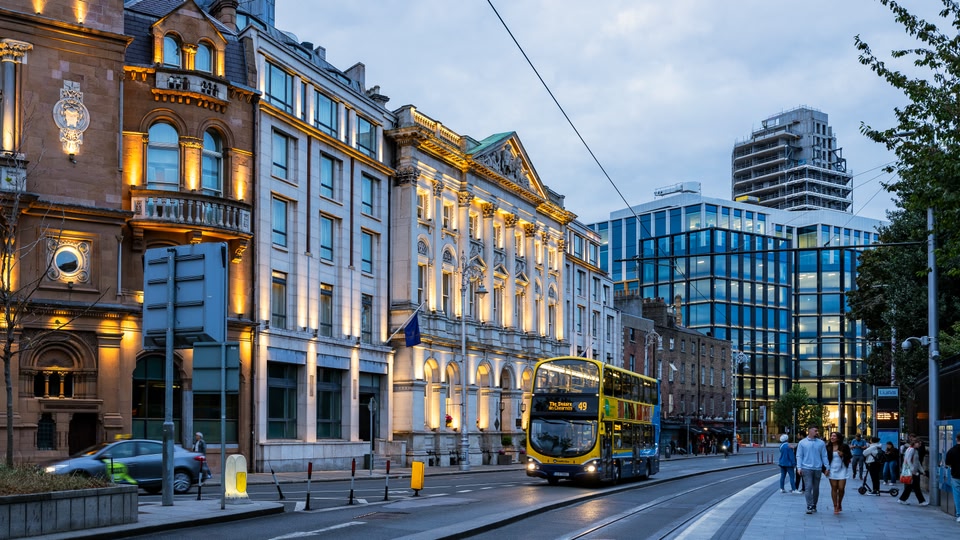
Buses: Bus Éireann connects major cities such as Galway, Limerick and Cork, as well as smaller towns and villages. From Dublin Airport, various operators, including Dublin Bus, offer services to the city centre in around 30 to 40 minutes.
Trains: Irish Rail connects Dublin with major cities and smaller towns across the country. Purchase a Leap Visitor Card before your trip for discounts on train, tram and bus fares within Dublin.
Boats: The most affordable way to reach the Aran Islands is by ferry. Aran Island Ferries operates from Rossaveel, near Galway. Multiple operators depart from Doolin in County Clare, offering remarkable views of the Cliffs of Moher. Seasonal crossings are available from March to October.
Domestic flights
Flights link Dublin Airport with Donegal Airport in the northwest and Kerry Airport in the southwest. You can reach the three Aran Islands — Inishmore, Inishmaan and Inisheer — from Connemara Airport, located near Galway.
Driving
In Ireland, you’ll drive on the left side of the road. Manual cars are the standard, while automatics typically cost more to hire. Road signs are bilingual, except in Gaeltacht areas, where they are only in Irish. If crossing into Northern Ireland, note that speed limits are in miles, not kilometres.


