Holidays to Romania
Top destinations in Romania
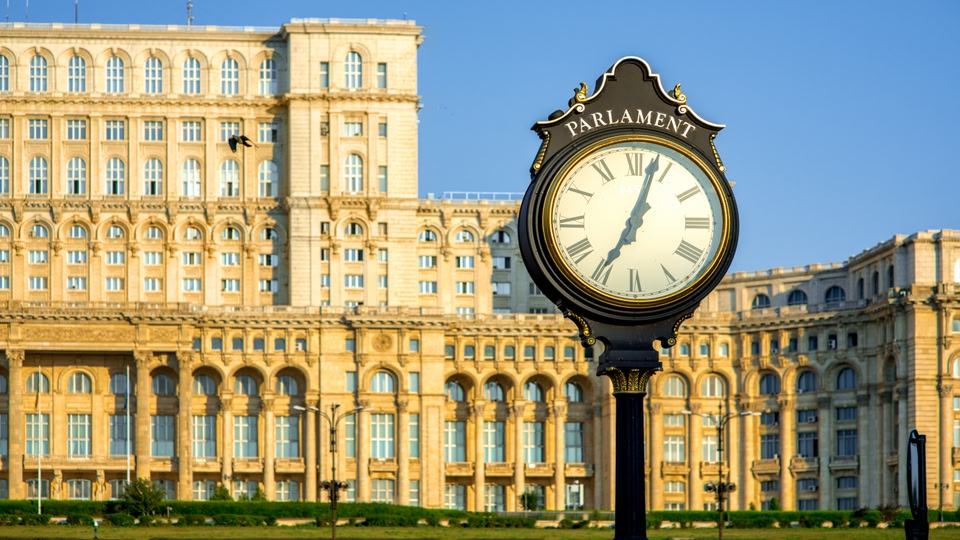
Bucharest
In a city where old meets new and East meets West, a holiday to Bucharest promises a fascinating adventure of non-stop contrasts and surprises.

Brașov
Nestled at the foot of the Carpathians, Brașov is known as the gateway to Dracula’s castle. But its woodland hikes and enchanting old town will soon have you falling under its spell.

Sighișoara
With its Saxon citadel perched high atop the hillside, Sighișoara feels like it’s from another time. Discover medieval towers, brightly coloured buildings, and myths and legends in ‘The Pearl of Transylvania’.
Romania: fast facts
| Language | Romanian |
|---|---|
| Currency | Romanian leu |
| Time zone | UTC+2 (EET) and UTC+3 (EEST) |
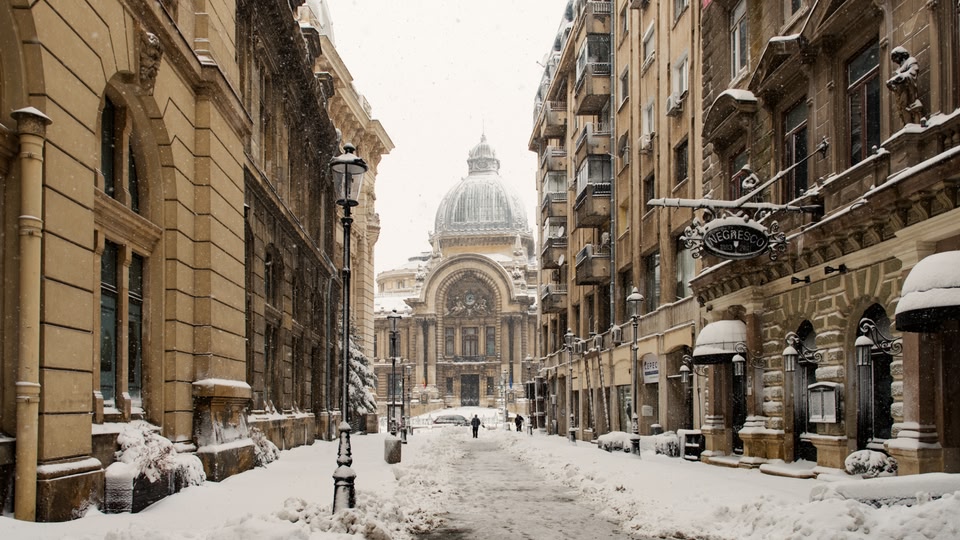
Romania holiday highlights
Fables and castles
Stories of ancient kingdoms and prominent rulers lie waiting between the walls of Romania’s medieval castles and bygone ruins. There’s the Gothic spires and vampire vibes of Bran Castle and the lavish Neo-Renaissance chambers of Peleș Castle. Many offer guided tours revealing royal secrets, medieval weapons and unrivalled mountain views reminiscent of fabled fantasy.
Mountain sights
Alpine adventures are everywhere in the Carpathian Mountains. One of the most iconic things to see in Romania is the hairpin turns and valley views of the Transfagarasan Highway — known as one of the world’s most beautiful roads. For a wildlife adventure, head to Retezat National Park and try your luck at spotting lynx and brown bears.
Wild wetlands
Straddling Romania and Ukraine is the Danube Delta, Europe’s largest wetland. You’ll find loads of wildlife here, including over 300 bird species ranging from rare Dalmatian pelicans to herons, egrets and falcons. Get an eyeful on a boat trip through the reedy channels. Or for brown bear and wolf sightings, explore the surrounding Carpathian forests.
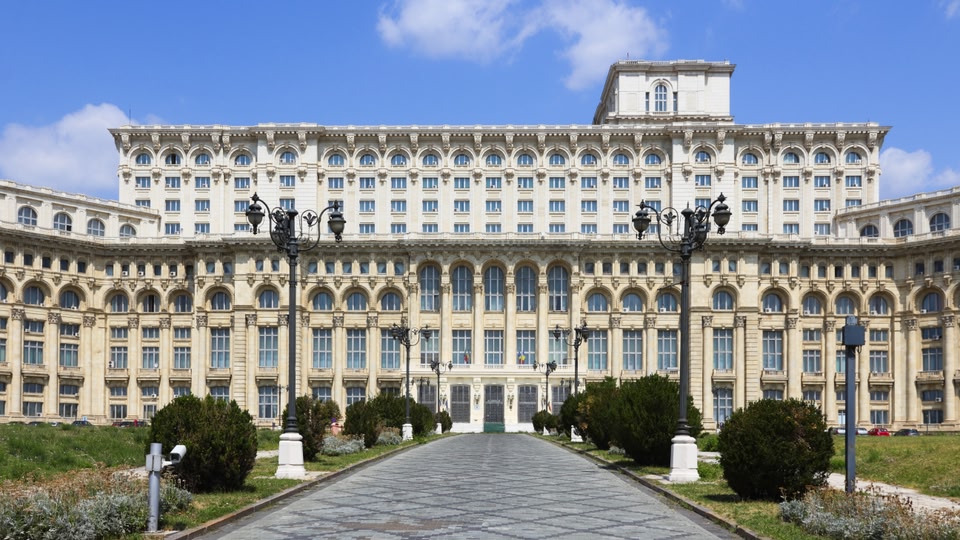
Things to do in Romania
Top attractions
Don’t pass up exploring the Danube Delta, a UNESCO World Heritage site full of birds, boats and funky fishing villages. The Gothic towers of Bran Castle, also known as Dracula’s Castle, are linked to Bram Stoker’s classic vampire tale. With curvy turns, dramatic peaks and glacial lakes, the Transfagarasan Highway is a road-tripper’s dream.
Family friendly
This country brings fairy tales to life. The grand halls of Peleș Castle in Sinaia offer kids a royal tour through opulent rooms, while Bran Castle is a maze of secret passages and medieval armour displays. The open-air Dimitrie Gusti Village Museum in Bucharest is a hands-on journey through Romanian rural life, with farmhouses, thatched-roof cottages and windmills.
Beaches
Romania’s lively beach scene centres around Mamaia, a stretch of sandy beach clubs, plush hotels and bustling nightlife. Further south, near the Bulgarian border, Vama Veche is the go-to for bohemian travellers with its laid-back atmosphere by day and lively parties by night. For somewhere less developed that’s also a haven for water sports, head north to Corbu.
Nature
Ceahlău Massif in the country’s east is often dubbed the Romanian Olympus for its diverse beauty, including limestone formations, sweeping valleys and the stepped Duruitoarea waterfall. The Iron Gates Natural Park showcases where the Danube forms spectacular gorges as the river slices through the Banat Mountains. And Scărișoara Cave is home to an ancient underground glacier.
Cuisine
Romanian cuisine is a hearty blend of Balkan, Turkish and Central European comfort cooking. Look out for street food favourites like traditional ‘mici’ (grilled minced meat) and ‘ciorbă de burtă’ (tripe soup). Restaurants in Romania showcase classic plates like ‘sarmale’ (stuffed cabbage rolls) and ‘mămăligă’ (polenta). For picnic fixings, stock up on artisanal cheeses and homemade plum brandy from local markets.
Culture and museums
Museums in Romania showcase everything from the country’s medieval artefacts to contemporary installations. The Palace of Parliament houses multiple museums, including the National Museum of Contemporary Art and the Museum of Communist Totalitarianism, which offers insight into Romania’s complex history. For archaeological treasures, head to Bucharest’s National Museum of Romanian History or walk the medieval citadels of Sighișoara’s UNESCO-listed Old Town.
Find the best time to visit Romania
Weather
May – September: Summer is the best time to visit Romania to tour the castles and national parks. July and August offer hot, sunny days in the low-lying areas, making for perfect beach and mountain hiking weather.
October – November: Autumn brings crisp, pleasant weather, incredible forest landscapes and smaller crowds. Head into the Carpathian forests to soak up the scenery, but pack plenty of layers, as temperatures can dip dramatically overnight.
December – April: Snow is common from December to early March, with the heaviest falls occurring from late November to the end of February. This makes for excellent skiing in the Carpathians. The quick sprint of spring from around late April is best experienced at the Danube Delta.
Events
Sambra Oilor Festival (May): This traditional celebration marks the start of the grazing season, when shepherds lead flocks of sheep into the mountains. Head to Huta Certeze village to take part in the folk music, local crafts and ceremonial blessing of the sheep.
Electric Castle (July): For more than a decade, the hallowed halls of Bánffy Castle have been the backdrop for a popular music festival featuring a star-studded lineup of electronic, rock and indie music.
Sibiu Christmas Market (November to January): Romania’s longest-standing Christmas market transforms the medieval city of Sibiu into an enchanting mix of Saxon heritage and traditional Romanian Christmas customs. Piața Mare is the heart of the celebrations, with festive stalls and an ice rink.
Know before you go
Budget
Planning a cheap holiday to Romania is easier than you think — this is, after all, one of Europe’s most affordable destinations. A meal at an inexpensive restaurant will set you back about 50 Romanian lei, while a cappuccino comes in at about 12 lei. Expect a short taxi ride to start at around eight lei.
Local etiquette
It’s always best to dress conservatively and keep your shoulders and knees covered when visiting Romania’s churches and monasteries. Eye contact is a sign of respect — try to maintain it when greeting or chatting. Avoid pointing with your index finger, and don’t be alarmed by close encounters. Personal space preferences are less roomy than in many Western cultures.
Health and safety
Food and water standards vary across the country, so it’s best to stick to bottled water, especially in rural areas. Hikers and campers heading to rural or forested areas should get the tick-borne encephalitis vaccine. For medical assistance, the facilities in major cities like Bucharest and Cluj-Napoca offer the best care.
LGBTQ+ travel
Romania’s LGBTQ+ scene is most visible in Bucharest and Cluj-Napoca, with gay clubs and a calendar of cultural events, including June’s Bucharest Pride celebration. While homosexuality is legal in Romania, open homosexuality remains relatively uncommon, especially in regional areas. Avoid public displays of affection outside of Bucharest and Cluj-Napoca.
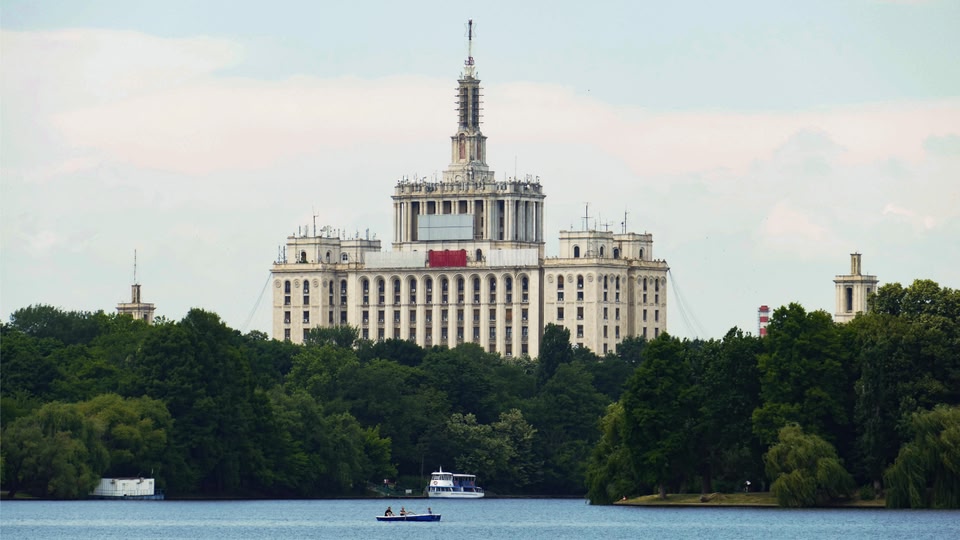
Getting around Romania
Public transportation
Buses: Intercity buses provide a wide network of connections to major cities and rural areas. They also tend to be more comfortable than trains. Look out for departure stations called ‘autogari’ and opt for reliable carriers like FlixBus, Eurolines and Atlassib.
Trains: While a network of passenger trains connects about 2,000 stations, the infrastructure is poorly maintained. The EU is pushing for upgrades, so rail travel will hopefully return to prominence soon.
Boats: Ferries cross the Danube River at several points, including toll crossings between Romania and Bulgaria. These are mostly practical links from A to B rather than tourist services.
Domestic flights
Given Romania’s relatively small size, ground transport is generally more efficient and affordable. But if you’re hoping to get somewhere in a hurry, TAROM offers limited domestic services, with Bucharest and Cluj-Napoca being the major hubs.
Driving
A road trip here is a must, especially to see spectacular sights like the Transfagarasan Highway. Seven main national roads branch out from Bucharest in a star shape, making the capital a natural starting point. Be sure to organise an e-vignette to drive on the country’s toll roads.


