Your guide to Berlin
Berlin highlights
Berlin nightlife
Plan to party on your city break in Berlin? No place on Earth does it better. From the pulsating techno temple Berghain to Friedrichshain-Kreuzberg’s seemingly endless bars and microbreweries, Berlin’s nightlife is a symphony of wild, loud and unbridled fun. A word of advice: no taking photos on the dancefloor. And remember, partying usually doesn’t start till after midnight.
Decades of history
Go beyond the Brandenburg Gate to discover the rich history of the EU’s most populous city, from the 13th-century St. Nicholas’ Church and Charlottenburg Palace to Checkpoint Charlie and the German Spy Museum. Worried about weary legs? All aboard a hop-on hop-off sightseeing bus for a convenient way to hit the star attractions in Berlin.
The creative scene
Berlin’s art scene is very walkable. Start in Marzahn-Hellersdorf, with its huge outdoor murals, then follow the Berlin Wall’s East Side Gallery. You could always do your walking within the city’s excellent art museums too. If you have time for just two during your city break in Berlin, we recommend the Neue Nationalgalerie for 20th-century greats and the Gemaldegalerie for Old Masters.
Berlin: Know before you go
| Language | German |
|---|---|
| Currency | Euro (€) |
| Time zone | UTC+1 (CET) and UTC+2 (CEST) |
| High season | July - August |
| Low season | January - February |
Find the best time to go to Berlin
Weather in Berlin
March – May: Temperatures rise dramatically in spring as the parks blossom and the days grow longer. It’s still worth carrying a jacket and umbrella on most days.
June – September: Berlin brightens with long, sunny days that can last well into September. It’s perfect weather for al fresco dining, weekend markets and outdoor festivals.
October – November: As autumn hits, the temperatures drop, but the season is generally drier than spring. And the biggest attractions tend to be less crowded.
December – February: Winter can be cold and wet, but it’s a great time to make the most of the city’s indoor offerings, from museums to nightlife.
Events in Berlin
Berlinale (February): Thousands attend this world-famous film festival each year, including many of the big screen’s brightest stars. Join the red carpet crowd at Potsdamer Platz or head to a screening in a former crematorium.
Lange Nacht der Museen (August): Berlin’s museums throw open their doors for one ‘long night’ each year. You can visit collections and exhibitions until 2am, and many museums host special events, from talks to workshops.
Christmas markets (November to December): Explore a winter wonderland as twinkling lights, artisanal crafts and the smell of mixed spice take over the city. With dozens of street markets, gingerbread and mulled wine are never in short supply.
The best neighbourhoods in Berlin

Kreuzberg
Graffiti-covered, coffee-loving and proudly multicultural — Kreuzberg is where counterculture meets gentrification. It’s one of the best areas to stay in Berlin if you want to shop for records, wander its markets and snack on the city’s best currywurst at Curry 36. The Jewish Museum and German Museum of Technology will also be on your doorstep.
Good for: Affordable eats, murals, museums

Charlottenburg
Serious shoppers and people-watchers, this one’s for you. If you want to escape the hipster hustle, this classy, well-heeled area is one of the best neighbourhoods to stay in Berlin. Designed to be Berlin’s Champs-Elysees, it’s sophisticated, serene and green. Fittingly, an elegant palace sits at the heart of the neighbourhood. Have a look inside to see the sumptuously decorated rooms.
Good for: Shopping, parks, historic attractions
Friedrichshain
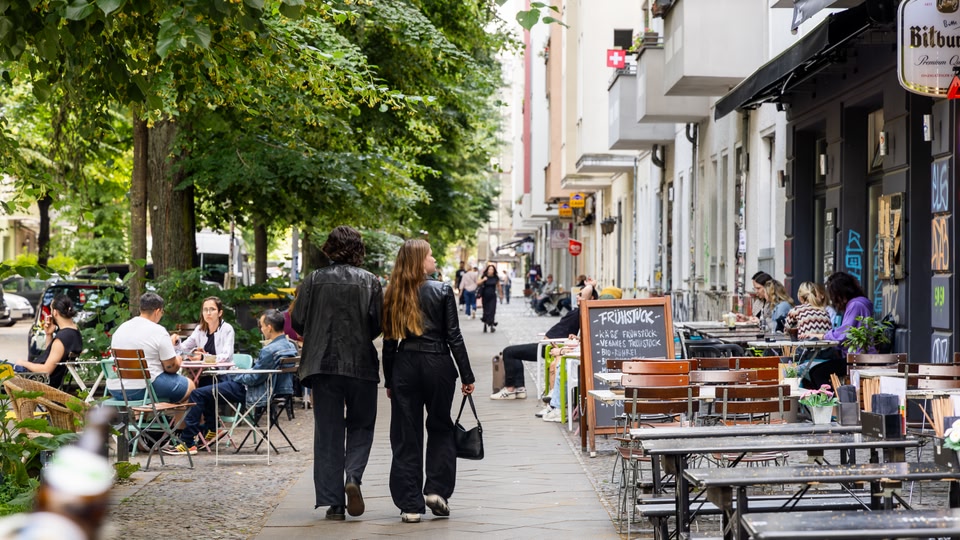
Friedrichshain is one of the best areas to stay in Berlin for night owls. Some of the most legendary clubs in the city are found in this district. But before the nightlife pulls you in, check out the laid-back vibes of leafy Boxhagener Kiez, a neighbourhood filled with flea markets, bars and boutique shops. Prost!
Good for: Clubs, kebabs, street art
Mitte
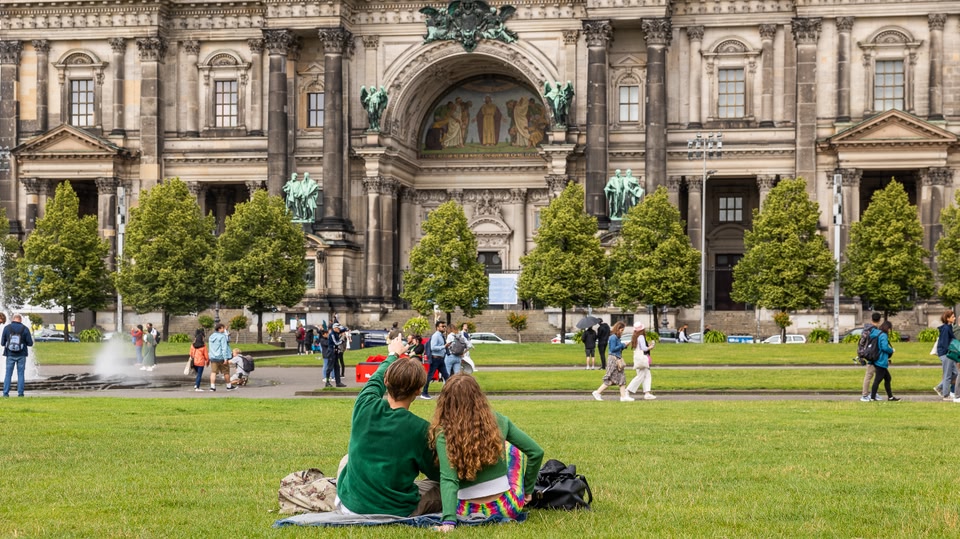
This central neighbourhood is a treasure trove of old-meets-new architecture, sprawling green spaces and historic sites like the Berlin Wall and Brandenburg Gate. Discover the city’s dark past at the Topography of Terror and DDR Museum. Or look towards its future by scaling the iconic Berlin TV Tower. Relax between sightseeing in the Tiergarten, one of the world’s largest urban parks.
Good for: Famous landmarks, history museums, parks
Pankow
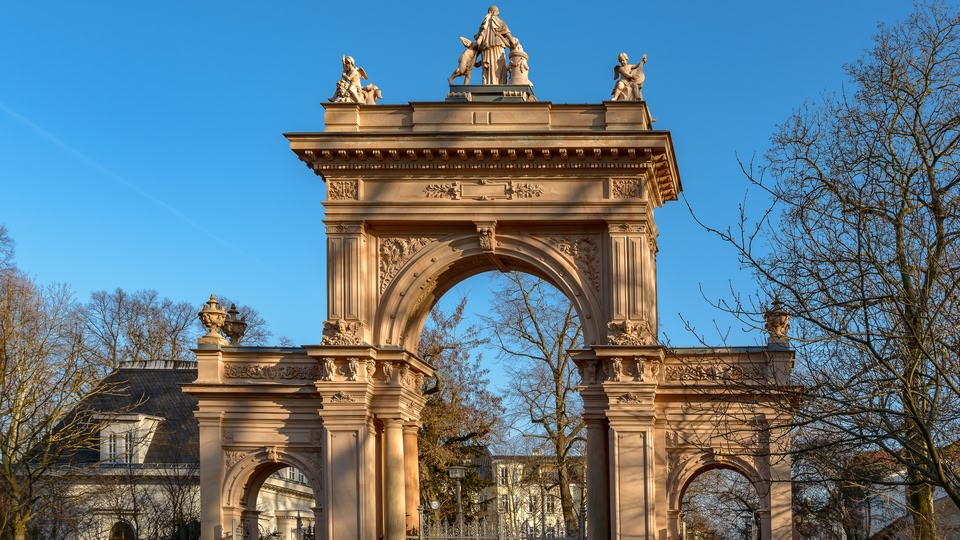
Pankow is one of Berlin’s most upscale neighbourhoods, with lavish mansions lining leafy streets. Its star attraction is Schönhausen Palace, an ornate 18th-century royal residence. Take a moment to pause at the Weißensee Jewish Cemetery, or glimpse Soviet-era Germany at the Museum in the Kulturbrauerei. You’ll find unique boutiques, patio bars and restaurants in the bohemian enclave of Prenzlauer Berg.
Good for: Royal palaces, alfresco dining, upscale shopping
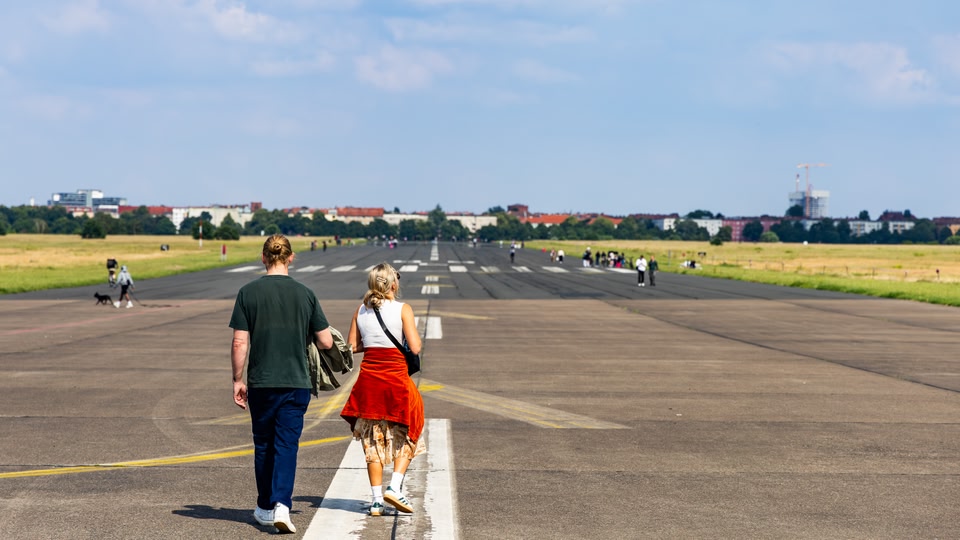
Tempelhof-Schöneberg
The emerald jewel in this neighbourhood’s crown is Tempelhofer Feld, a huge park in a decommissioned airfield. Today, it’s a popular gathering place for roller skaters, kite-fliers and picnickers. Find LGBTQ+ bars and clubs around Nollendorfplatz and an array of international eateries in Winterfeldtplatz. Craft breweries, vinyl stores and hip cafes round off this cool district’s charms.
Good for: Unique parks, LGBTQ+ hotspots, international eats

Things to do in Berlin
Family friendly things to do
Berlin is a playground of activities to keep the kids grinning. If you’re looking for things to do with family in Berlin, start by diving into the Natural History Museum — it’s like a treasure hunt but with dinosaurs. Unleash your little Einsteins at Labyrinth Kindermuseum and say ‘hallo’ to furry friends at Tierpark Berlin. For a breezy Berlin experience, take off on a family-friendly bike tour across the city.
Shopping
Shopping in Berlin is almost as fun as the nightlife scene. With vintage stores, funky boutiques and sprawling markets, you’ll find something to suit every style. Head to the KaDeWe department store on Kurfurstendamm and browse your way through its eight floors. Browse creative fashion pieces at the Hackescher Markt or shop for chic clothing at Friedrichstrasse.
Take in the culture
There are more cultural attractions in Berlin than anywhere else in Germany. Marvel at the artistic wonders of Museum Island, a UNESCO World Heritage site boasting five museums. Feel like royalty at Charlottenburg Palace, then soak up the majestic Gendarmenmarkt, Berlin's most beautiful square. Catch a show at Friedrichstadt-Palast, and if you’re visiting in May, stop by the epic Karneval der Kulturen festival.
Nightlife
Welcome to the nocturnal playground of Europe. Parties here don't just last long, they practically set up camp. Picture yourself sipping cocktails in City West’s sophisticated lounges. Head out for legendary nights at Berghain and Watergate, or opt for the canalside charm of Club der Visionaere. The nightlife in Berlin isn’t a scene, it’s an epic adventure.
Places to eat
Germany’s capital is ‘multikulti’ so expect to find a variety of global influences at restaurants in Berlin. NENI Berlin, for example, serves Mediterranean fare with city views in its rooftop setting. There’s also German comfort food at the likes of Max & Moritz, a Berlin institution since 1902. And if a high-brow French dinner is in your budget, look no further than Michelin-starred Lorenz Adlon Esszimmer.
Free things to do
With all the free things to do in Berlin, keeping your city break budget-friendly is a breeze. Learn about war history at the Berlin Wall Memorial on Bernauer Strasse, and have a picnic in Tempelhof, an airfield-turned-park in the city centre. On the first Sunday of the month, more than 60 museums have free admission. Every Sunday, join the crowd watching outdoor karaoke at Mauerpark.
Get ready for Berlin
Budget
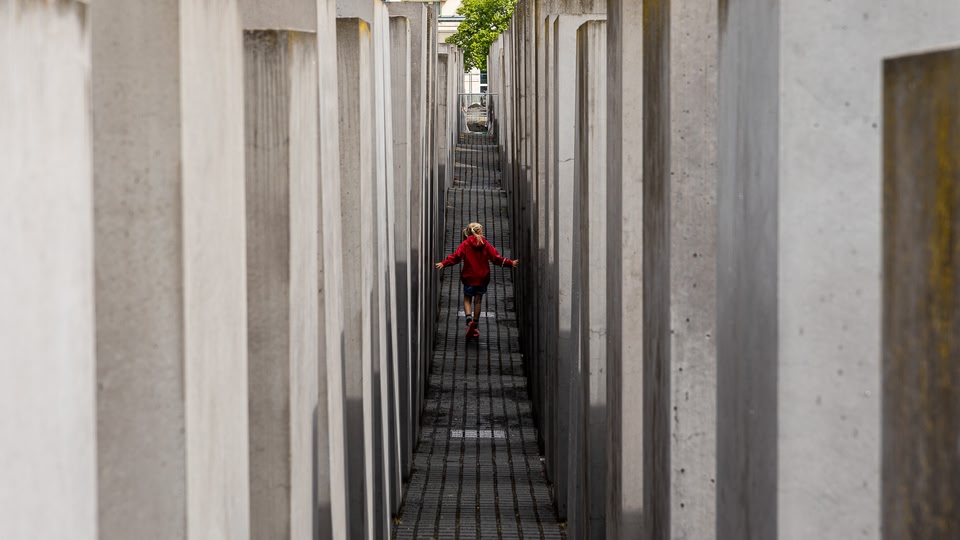
You won’t have to work hard to enjoy an inexpensive stay in Berlin. It’s easy to get lost in the city’s green spaces. And historical landmarks like Checkpoint Charlie and the Holocaust Memorial are free to visit. You can find an inexpensive meal for around 15 euros (€) and a beer for under €5. A short taxi ride will cost under €15, but the excellent public transport is even better value.
Day trips from Berlin
The state capital of Brandenburg, Potsdam is full of historical splendour and is less than an hour away by train. Southwest of the city, the impressive Sanssouci Palace — once the Prussian King’s summer home — is worth the trip alone. For forest bathing and lake swimming, take a southbound train to Lübbenau, the gateway town to the Spreewald.
Getting around Berlin
Berlin is easy to get around on foot or by bicycle. But if your legs demand a break, hop on one of the city’s buses, trams, ferries or trains. The U-Bahn is the underground railway, while the S-Bahn travels at street level. Keep your visit to Berlin affordable with the Berlin WelcomeCard. It offers unlimited travel on public transport and discounts on major attractions.


