Your guide to Munich

Munich highlights
Home of Oktoberfest
Oktoberfest is the world’s largest folk festival and is celebrated around the world. But Munich is where this fine excuse to drink beer first started. Join the revellers in Munich over two weeks each year – usually at the end of September to early October, but check the dates before you travel – for parades, music, food and drinking. You don’t need tickets, but it can get busy, so book a table in a festival tent ahead of time to make sure you get in.
Glockenspiel show
A long-held tradition in Munich is a twice-daily glockenspiel show in Marienplatz. As the bells of a mechanical clock on the town hall begin to chime, 32 life-sized figures act out a story. It’s a quaint and slightly kitsch way to spend 15 minutes. Marienplatz is at the heart of the old town, so stop here to see many other landmarks during your city break in Munich. Climb the New Town Hall’s tower for fab views too.
River surfing
The Eisbach River in Munich’s Englischer Garten has become one of the world’s most famous spots for river surfing. Surfers ride the fast-moving current year-round, often drawing crowds along the riverbank to watch the action unfold just feet away. Even if you never step on a board yourself, it’s one of the city’s most unexpectedly lively scenes.
Munich: Know before you go
| Language | German |
|---|---|
| Currency | Euro (€) |
| Time zone | UTC+1 (CET) and UTC+2 (CEST) |
| High season | July - September |
| Low season | January - February |
Find the best time to go to Munich
Weather in Munich
March – May: A sea of pink and purple blooms spreads through city parks in spring. But expect higher rainfall and the famous ‘föhn’, a warm wind that blows from the Alps.
June – August: Summer is the best time to experience the city thanks to warmer days and balmy nights. But don’t be surprised if your sunbathing is interrupted by a flash rainstorm.
September – November: Locals cling to the final breaths of summer before the short, crisp autumn days set in. Golden bursts of hazel, beech and sycamore trees signal this cool change.
December – February: Outside the Christmas rush, winters in Munich are quiet and mild. Rare cold snaps may dust the city in snow, but most of the flurries are reserved for the nearby Alps.
Events in Munich
Auer Dult (April, August and October): Folk festival Auer Dult offers a taste of traditional Bavarian culture without the Oktoberfest crowds. Held three times a year in Mariahilfplatz, the celebration of folk music, dance, food and handicrafts is a favourite with local families.
FC Bayern matches (August to May): The most successful football club in Germany has earned itself a loyal fanbase and a state-of-the-art home stadium. Attending an FC Bayern game at Allianz Arena is an essential outing for any sports fan.
Christmas markets (December): Christmas markets originated in Germany, and Munich is home to some of the best. Find one near you to browse the quaint stalls, sip warming ‘glühwein’ (mulled wine) and feast on creamy ‘käsespätzle’ (German mac and cheese).
The best neighbourhoods in Munich

Ludwigsvorstadt-Isarvorstadt
The Eisbach River in the Englischer Garten has gained a worldwide reputation for river surfing. In fact, experienced surfers have been doing it for decades. It’s brilliant fun to watch, and you can catch surfers navigating the currents and rocky riverbed in all weathers. Quite a crowd of spectators can gather – try to join them on your trip to Munich.
Good for: Nightlife, restaurants, multicultural, central location
Schwabing-Freimann
Wander through streets lined with art nouveau buildings, visit the green oasis of the Englischer Garten, relax in bohemian cafes and unearth paper-bound treasures in indie bookshops. Schwabing-Freimann is where to stay in Munich to be near boutiques, wine bars and student life.
Good for: Restaurants, bars, shopping, green space
Maxvorstadt
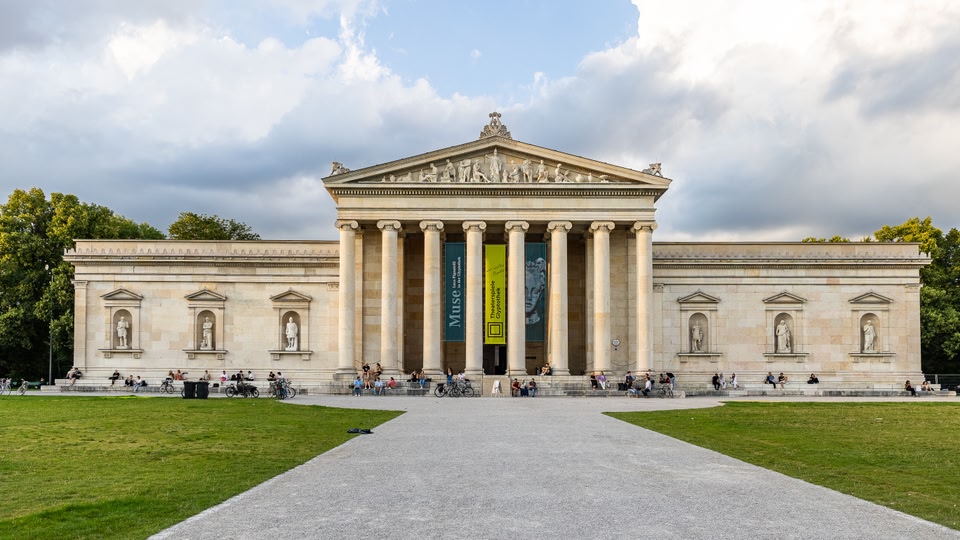
Munich’s centre of art, culture and knowledge, Maxvorstadt is one of the best areas to stay in Munich. Brimming with museums, galleries and universities, this neighbourhood is home to the architectural marvel of the Siegestor arch. You’ll also find Munich's art district, Kunstareal, here. Bustling Turkenstrasse is lined with quirky shops and cafes, while Konigsplatz is a spot to watch concerts during the summer.
Good for: Culture, galleries, shopping, restaurants

Things to do in Munich
Family friendly things to do
Travelling with kids? The best things to do with family in Munich include museums like the Deutsches Museum and outdoor adventures at West Park. Spark young imaginations with a guided visit to Neuschwanstein Castle, or run around the gardens of Nymphenburg Palace. Hellabrunn Zoo is always a winner too.
Shopping
Potter around the city’s shops for big-name brands, Bavarian clothes and local foodie delicacies. Shopping in Munich starts in Marienplatz, the square in the city’s historic centre. Designer goods and locally made crafts can all be found here. Don’t miss the Viktualienmarkt, a famed local market selling food, beer, cheese and flowers.
Take in the culture
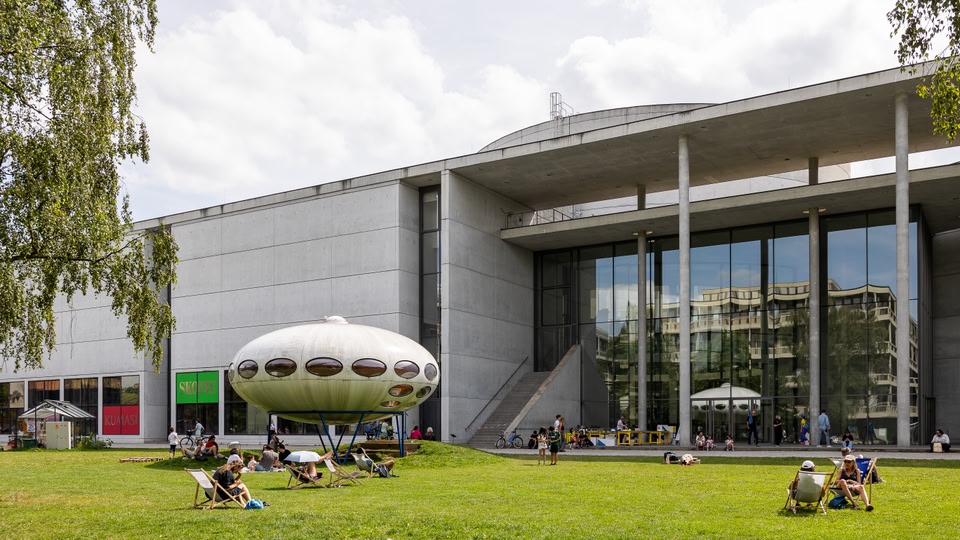
The sense of history is palpable as you walk through Munich’s streets. The Munich Residenz is a majestic palace worth a tour. There’s a choice of museums in Munich too, and Pinakothek der Moderne is a favourite for its contemporary and modern art. Lager fan? The Beer and Oktoberfest Museum is for you.
Nightlife
Although it has a quiet side, Munich is renowned for its beer halls and clubs. Hofbrauhaus is the most famous beer hall in Munich, with a history dating back over 400 years. Lowenbraukeller and the pretty Cafe Gans am Wasser are other great options. There’s a cluster of clubs in Munich around Maximiliansplatz, or head to Jazzbar Vogler for sultry jazz in a speakeasy.
Places to eat
Restaurants in Munich serve traditional Bavarian cuisine and other flavours unique to the region. Augustiner Keller is a time-honoured option for local cuisines, while modern Bavarian tapas are served at Bapas. Munich’s dining scene has an array of international flavours too – try the Michelin star-adorned Turkish restaurant Pageou or the eccentrically styled Mexican restaurant Blitz.
Free things to do
Wandering through Englischer Garten, one of the world’s largest urban parks, is a great way to start if you’re looking for free things to do in Munich. Football fans can watch the FC Bayern Munich team train for free at their training ground on Sabener Strasse; you’ll need to check the practice schedule ahead of time. Visiting in August? Catch a free outdoor concert in Olympiapark.
Get ready for Munich
Budget
A little planning goes a long way when organising a budget trip to Munich. Booking accommodation well in advance or in the off-season will help reduce costs significantly. Once on the ground, an inexpensive meal in a restaurant costs around 17 euros (€), and a local beer is €5. A short taxi ride will set you back less than €13.
Day trips from Munich
Locals are mad about the outdoors, and there’s plenty to explore on the outskirts of Munich. Try skiing from Garmisch-Partenkirchen, hiking near Mittenwald or swimming in Eibsee, all located near the Austrian border an hour south of the city by train. Beer is also serious business for Bavarians. Hire a car to tour the Andechs and Weltenburg breweries, which are still run by monks.
Getting around Munich
With its pedestrianised zones, Munich’s city centre is easy to conquer on foot. To navigate the rest of the city, take advantage of the clean and reliable public transport system. Catch the U-bahn (metro), S-bahn (train), tram or bus to reach most neighbourhoods. MVG Rad, the city’s bicycle rental system, is an easy way to get around under your own steam.


