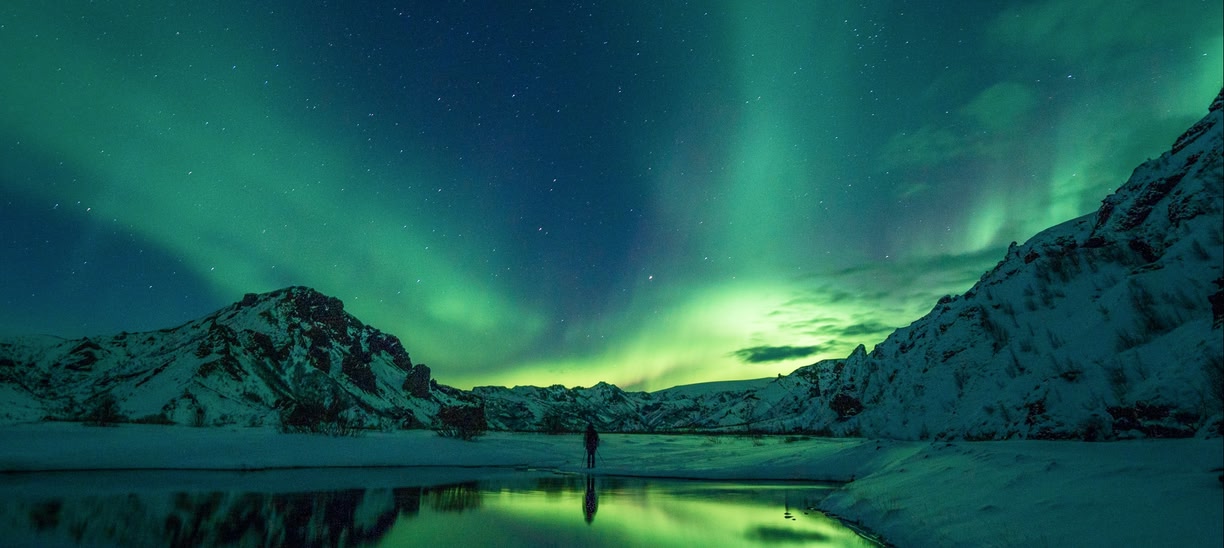
From Tromsø to Lapland to the Lofoten Islands, these European destinations are the best places to see nature’s most dazzling light show.
From Tromsø to Lapland to the Lofoten Islands, these European destinations are the best places to see nature’s most dazzling light show.
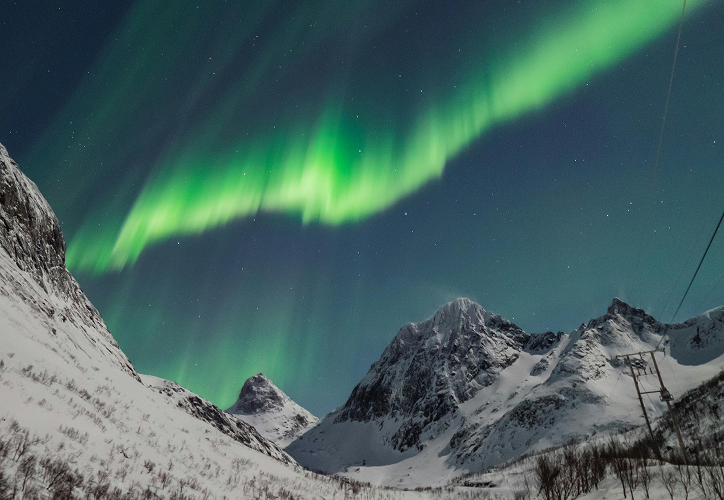
The northern lights have become one of the Nordic region’s most iconic draws, cementing its status as a must-visit destination for travellers in search of natural wonders. Come and you’ll witness a spectacle where colours dance across the sky. It’s an experience made even more magical by a backdrop of snow-dusted mountains and glimmering glaciers.
These landscapes, infused with stillness and beauty, reflect the deep tranquillity of nature. It’s no wonder that Northern Europe has become a top destination for those seeking meaningful, off-the-beaten-path experiences. The rise of trends like slow travel, wellness tourism, self-discovery and digital detoxes underscores the region’s allure for mindful travellers.
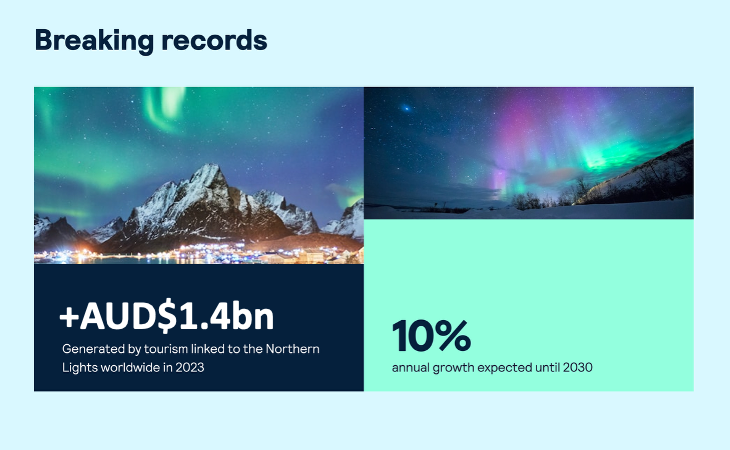
Still, it’s the northern lights that steal the spotlight (especially for skygazers). Globally, aurora-related tourism generated over AUD$1.4 billion in 2023, with forecasts predicting roughly 10% annual growth by 2030.
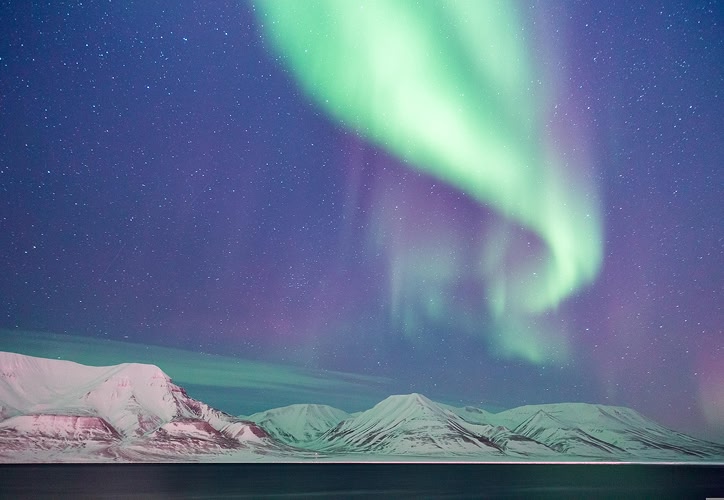
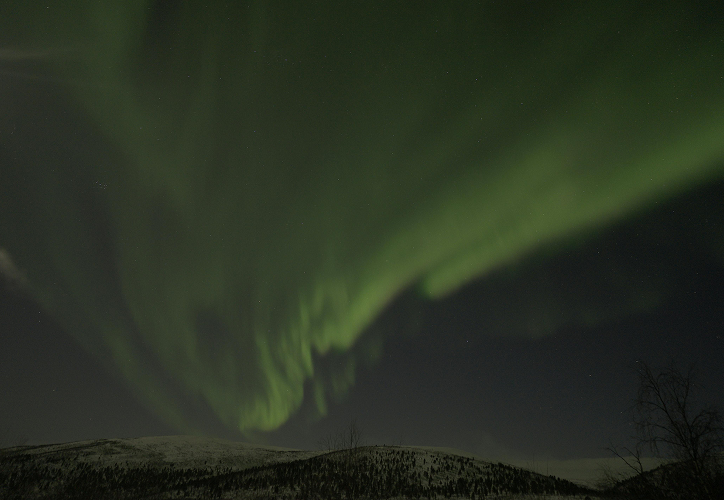
It’s easy to see why the northern lights captivate so many: swirls of green, red, blue and white wash over the night sky, turning the normally desaturated Nordic wilderness into a canvas of motion and colour.
Dreaming of seeing the northern lights for yourself? The Sun has now passed the peak of its 11-year cycle, but this “declining phase” can still produce powerful solar storms, so the 2026–27 aurora season remains a great time to go. Set up Price Alerts for your route and you’ll know as soon as fares drop.
Sweden, Norway, Iceland and Finland are ideal destinations for witnessing this cosmic show, offering unique locations with dark skies and stunning landscapes perfect for viewing the aurora borealis.
Stay up and watch the northern lights from 10pm to 2am, when the colours are most vivid.
Scandinavia and Northern Europe are among the most reliable regions for viewing the aurora borealis, with each destination offering its own distinct charm. Can’t decide where to go? Explore Everywhere shows you the cheapest fares from your home airport across the whole region.
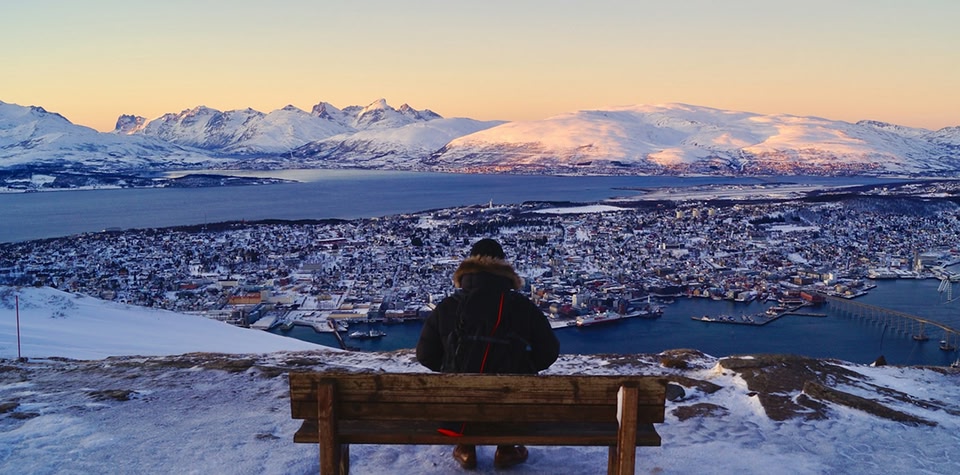
Tromsø
Known as the Arctic capital, this small Norwegian city blends vibrant urban life with prime aurora viewing. In Tromsø, the northern lights often appear every other night, making it one of the most reliable spots to witness the spectacle. By day (or even under the moon) you can enjoy dog sledding adventures and Arctic safaris, adding even more magic to your stay. In Australia, searches for Tromsø on Skyscanner increased by 26% in 2024 compared to 2023.
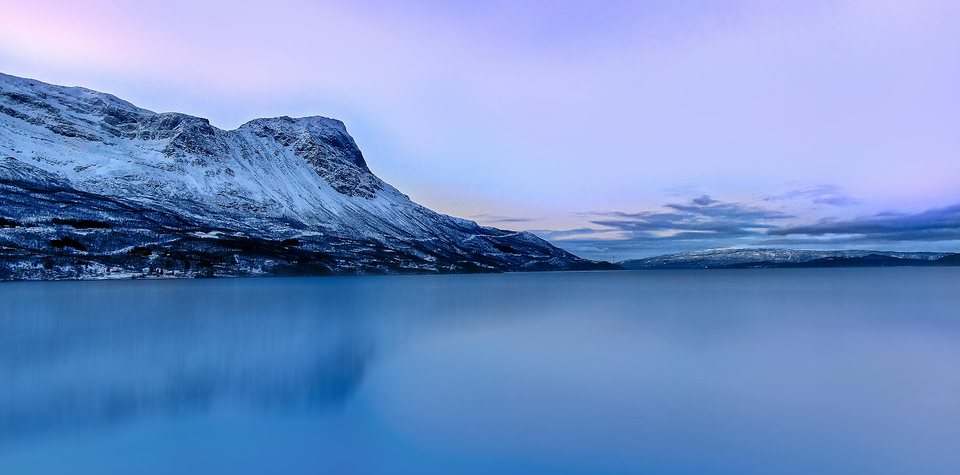
Lapland
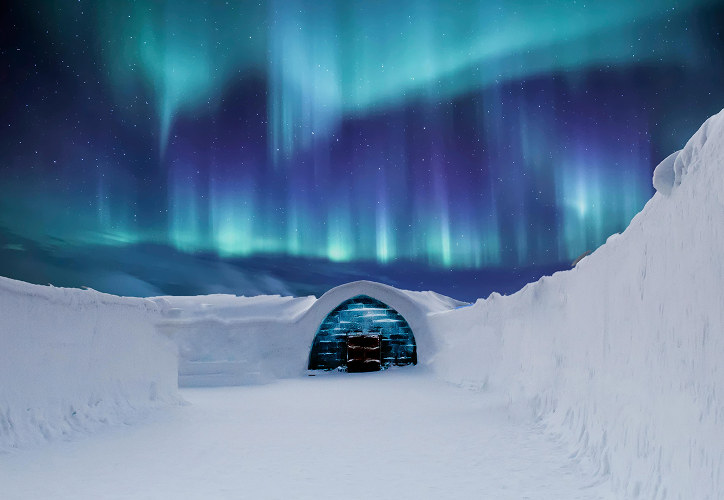
The Finnish region of Lapland is one of the best places to see the northern lights, as almost the entire region lies above the Arctic Circle and the aurora is visible for over half of the year. View them from the shores of Lake Inari (the country’s third-largest lake), from the slopes of a ski resort or from inside an aurora igloo. A tip before you travel? Be sure to stay on the nice list. Families will love making a stop at Rovaniemi, Santa Claus’s quaint hometown.
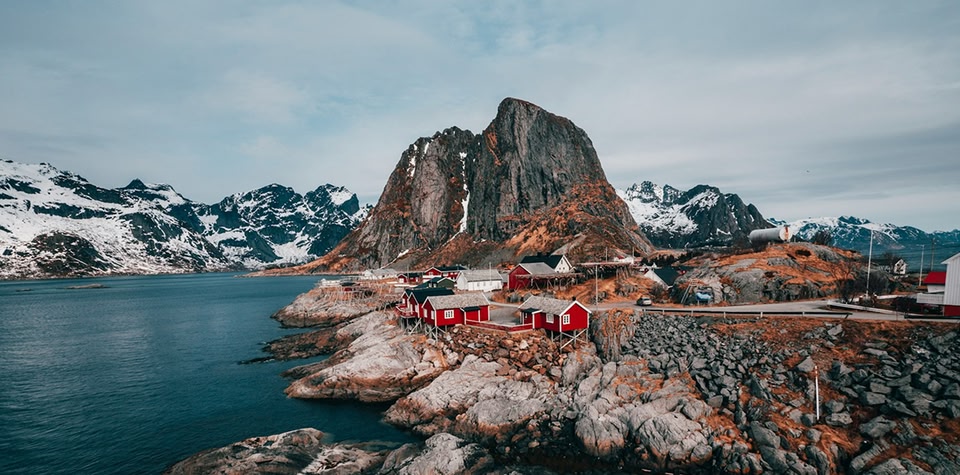
Lofoten Islands
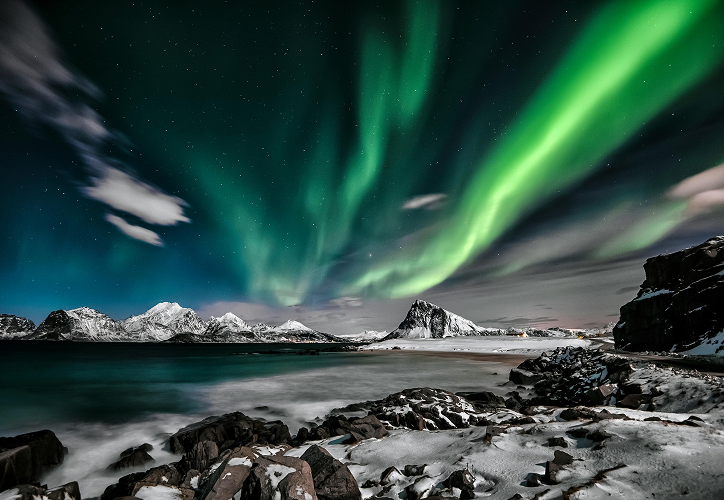
This Norwegian archipelago is a favourite for its breathtaking setting, where the northern lights dance above jagged mountains and deep fjords. Its remote location and minimal light pollution make for exceptional viewing conditions. The best time to visit is from September to March, when long, dark nights and clear skies increase your chances of witnessing the spectacle.
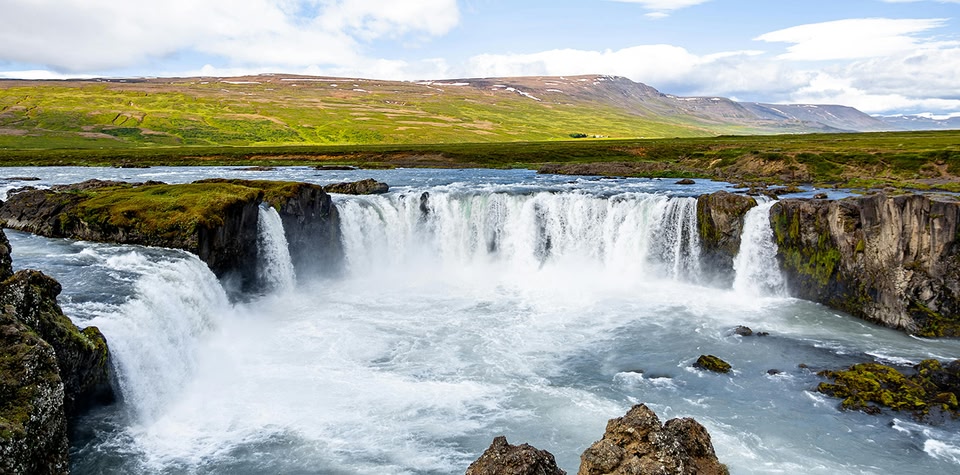
Iceland
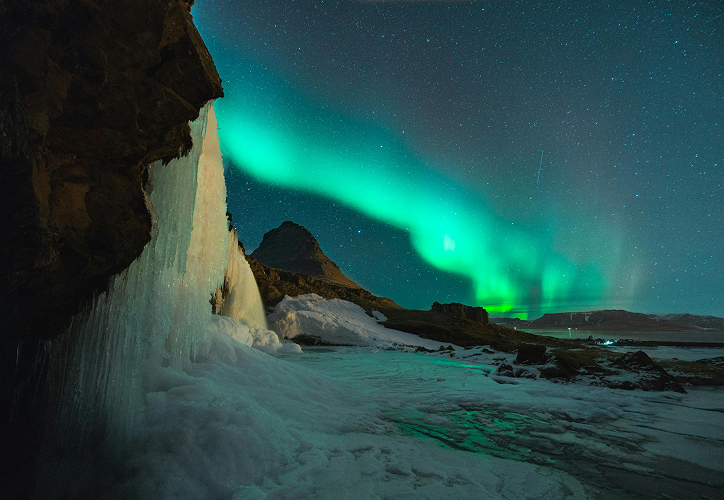
Towns like Akureyri, Ísafjörður and Húsavík are top spots for catching the aurora, especially from September to April. What makes the trip even more rewarding is the chance to pair your northern lights adventure with Iceland’s otherworldly landscapes. Get misted by a waterfall, hike among gushing geysers and soak in the island’s volcanic terrain. According to California-based adventure company Wilderness Travel, winter bookings to Iceland have grown about 130% annually since 2021.
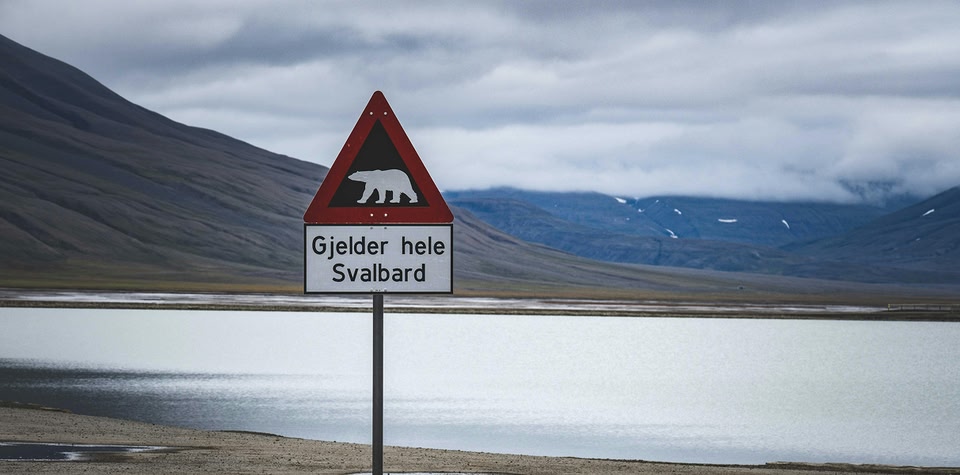
Svalbard
Located between mainland Norway and the North Pole, this remote archipelago is the world’s northernmost inhabited area. Home to fewer than 3,000 residents, Svalbard offers front-row seats to the Arctic’s vivid skies, where the northern lights frequently dazzle. Beyond the auroras, its untamed wilderness invites adventure. Think polar bear spotting safaris, kayaking among icebergs and hiking across ancient glaciers, all in one of the most surreal landscapes on Earth.
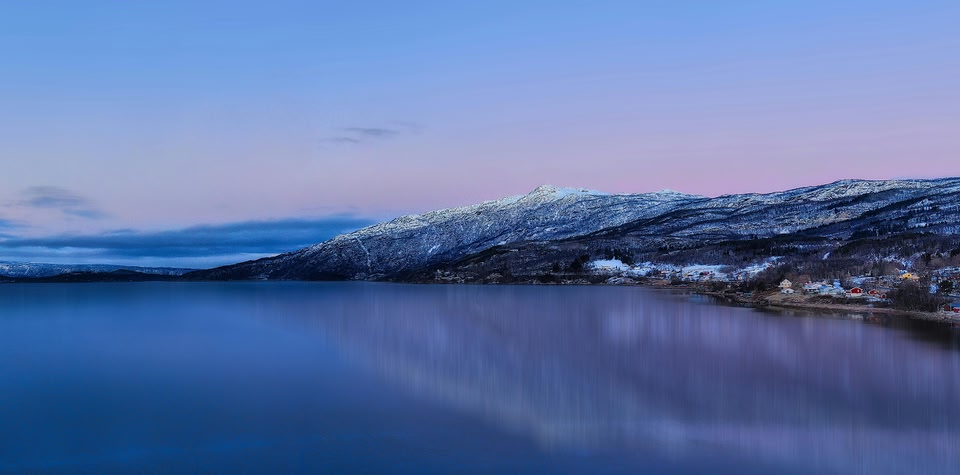
Abisko
Abisko, a national park in northern Sweden, is one of the most reliable places in the world to see the northern lights, thanks to a unique microclimate marked by clear skies and low precipitation. The park offers visitors many ways to explore its dramatic alpine scenery. Wintertime adventures include hiking scenic trails, skiing backcountry terrain and riding the chairlift to the Aurora Sky Station, one of the best vantage points for viewing the lights. Book ahead to enjoy a dinner of Swedish comfort food under the dancing lights.
How to see the northern lights?
Choosing the right location is just the start of your northern lights trip. Your experience will be shaped by many factors, from how easily you can get there to whether you join a guided tour. Here’s what to look for to make your aurora adventure unforgettable.
The freedom of having your own car
Many of the best northern lights destinations are tucked away in remote corners of the Arctic. Minimal light pollution and untouched wilderness are part of what makes the experience so special. But this remoteness comes with challenges. Public transport, if available, often doesn’t run during prime aurora viewing hours overnight. That’s why one of the most important considerations is how you’ll get there and how you’ll get around once you arrive.
Most aurora viewing spots are far from urban areas, so having your own vehicle is a convenient choice.
Most locations have car hire companies like Europcar, SIXT, Hertz and Avis. You’ll want to book your vehicle well in advance, especially during peak season.
Svalbard and Abisko are special cases where you’ll want to consider the following:
Svalbard: Hire a car that’s specifically equipped for Arctic conditions and able to handle icy, unpaved roads. There are also airport shuttles to Longyearbyen from Svalbard Airport, stopping at all hotels and guesthouses.
Abisko: The closest car hire point is in Kiruna, around 90 kilometres away, where companies like Budget and Avis offer winter-ready vehicles. There are also shuttle buses connecting Abisko with Kiruna Airport.
Tours to make the most of your trip
Local guides know the region best! Find guides and activities tailored to the northern lights location you’ve chosen.
Wellness tourism
A slow pace of snowy life
Over 60% of Australian travellers say they feel more mindful about their health and wellbeing than ever before, leading them to opt into trips that are focused on wellness. Three out of four Australian travellers think holidays, like chasing the northern lights, help build resilience and strength to handle the stresses of everyday life.
Beyond chasing the aurora, travellers are increasingly drawn to unique and rejuvenating experiences, favouring more meaningful alternatives to traditional tourism. This trend is stronger among older people. While just 23% of people between 18 and 34 years old are taking a health-conscious approach to their travels, 37% of 45 to 64 year olds say the same.
How long should your trip to see the northern lights be?
Aim for 4 to 7 days to give you multiple chances to see the lights as it's light predictions are an imperfect science. This will also allow enough time to rest after a long night out and soak in the local sights.
Wellness experiences for a Nordic Break
Thermal experiences are a highlight throughout the Nordic countries, with Iceland standing out as a top destination for geothermal baths.
There has been an increase in searches for flights to Akureyri on Skyscanner from travellers across the globe. This small town of around 20,000 residents is one of the best hubs for wellness travel.
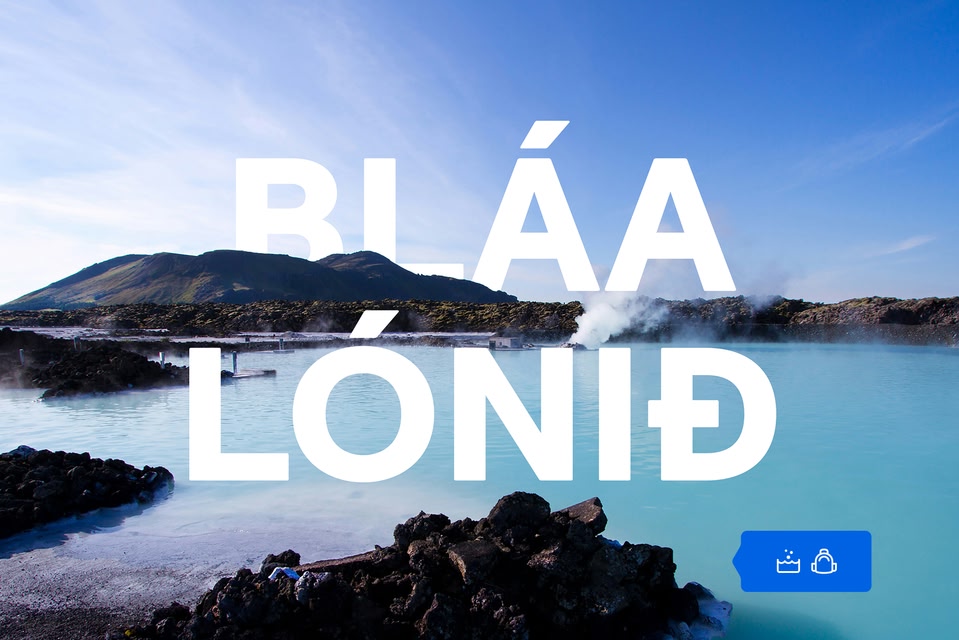
The Blue Lagoon, a geothermal spa with powder-blue water, is another top draw in southwest Iceland. It sits near an active volcanic area on the Reykjanes Peninsula, so check its status before you go.
In Finland, traditional saunas and starlit walks in Rovaniemi add to the aurora allure, influenced by the concept of friluftsliv:
Friluftsliv: A Scandinavian philosophy that embraces spending time outdoors all year long.
These experiences are also common in Sweden and Norway, where spas, saunas and wellness retreats embody the Nordic emphasis on spending time in nature.
Recommended stays
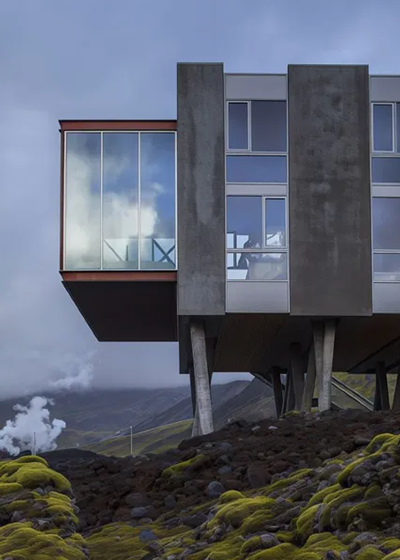
Witnessing the northern lights often goes hand in hand with accommodation that reflects the natural beauty surrounding it.
Accommodations
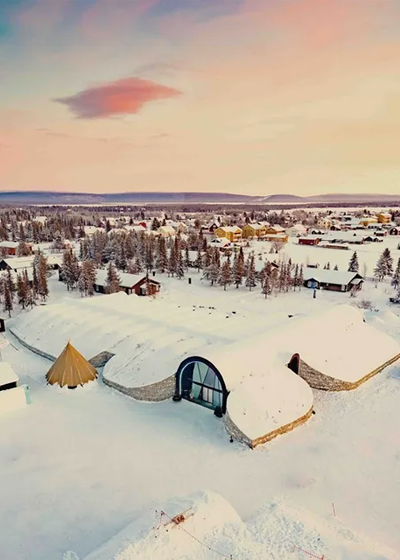
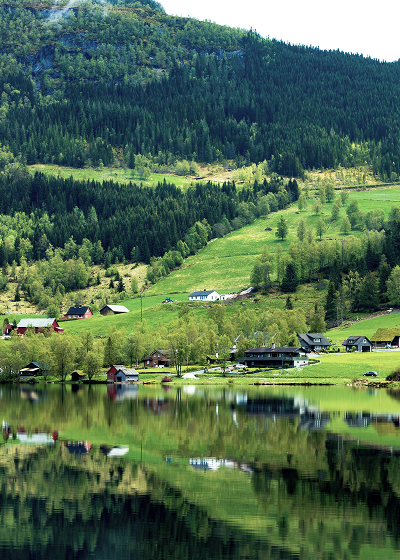
Other recommended urban hotels include The Thief (Oslo), Scandic Grand Central (Helsinki), Nordic Light Hotel (Stockholm) or the Grand Hotel Reykjavík (Reykjavik).
A bright trend
The surge in northern lights tourism is closely linked to advances in technology. Today’s smartphones, with powerful low-light cameras, make it easier than ever to capture and share the aurora in vivid detail. Social media platforms and online travel content have amplified global fascination, turning these glowing skies into viral sensations and Nordic landscapes into dream destinations.
Travellers have been inspired to share their snapshots. Between December 2024 and January 2025, thousands of social media posts featured the aurora all around the world.
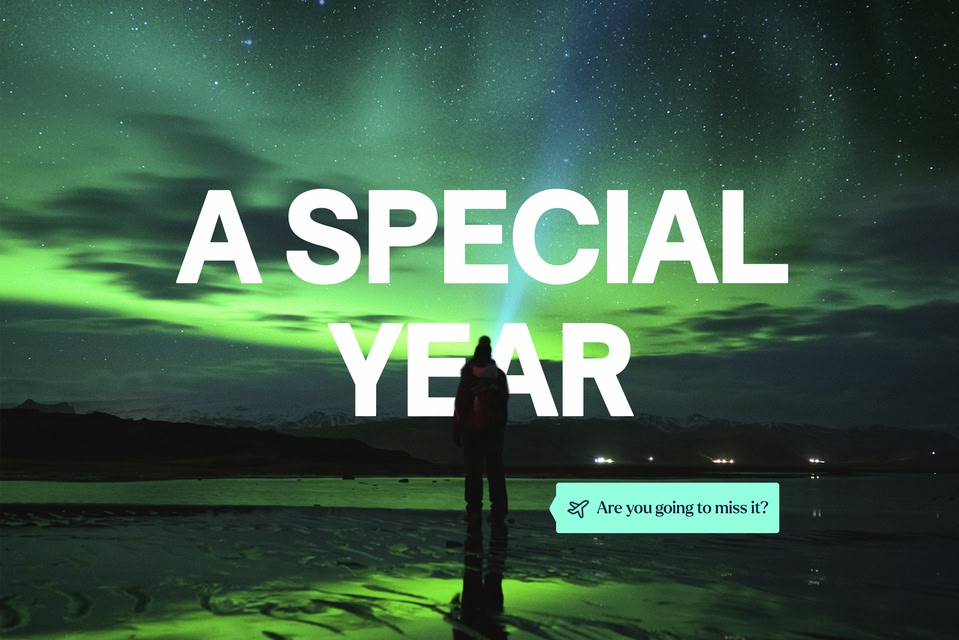
Aurora alert: why 2026 is still a great year for the northern lights
Travellers are still in luck! The northern lights surged in intensity through 2024 and 2025, reaching levels not seen in over 20 years. They were even visible across unexpected parts of Europe, the United States and Asia. This rare spectacle was tied to the Sun reaching its “solar maximum”, a phase that occurs roughly every 11 years and brings an uptick in solar storms that make auroras brighter, more frequent and visible farther south than usual.
That peak has now passed, and the Sun has entered the declining phase of its cycle. But the show isn’t over. Scientists note that some of a cycle’s strongest solar storms often arrive during this declining phase, so the 2026–27 northern winter is still a promising window. After that, activity will gradually wind down, with the next solar maximum not expected until the mid-2030s.
While aurora forecasts remain tricky, strong storms during this cycle have lit up skies over the UK, Germany, Italy, Greece, Spain and even parts of the southern United States.
FAQs about seeing the northern lights in Europe
Planning to experience the northern lights in person? Skyscanner can help you find the best flights, hotels and car hire options to make your adventure in the Arctic unforgettable.


