
Cherry blossoms. The epic Mount Fuji. Sumo wrestling. Neon and vibrant city streets. Japan has it all. This is the best time to visit Japan.
But when’s the best time to come? When is cherry blossom season in Japan? And when can you catch its unique festivals? Let’s take a look with our guide on the top times of the year to spend in Japan.
When to go to Japan
Japan is an incredible country to visit at any time of year. The streets of Tokyo always hum. The temples and shrines are always breathtaking. The lakes, mountains, beaches and nature will always leave you speechless.
But if you time your visit right, you can see nature in all its glory across the changing seasons in Japan – whether cherry blossom season or the autumn leaves. And if you visit during one of its unique festivals, you’ll be in for the cultural experience of a lifetime.
10 amazing things to do in Japan (and when to do them)
From cherry blossom to sumo, these are 10 incredible experiences in Japan. As well as the best time to come.

1. Cherry blossom (Sakura)
Nature's beauty
Is there a more iconic image of Japan than cherry blossoms in bloom across the country? We think not. It’s celebrated every year by the locals, and tourists flock here to see this stunning natural spectacle. Some of the best spots in the country to see the blossoms in all their glory include Yoshino (Nara prefecture), Himeji Castle (Hyogo prefecture), Fuji Five Lakes (Yamanashi prefecture) and Hirosaki Castle (Aomori prefecture). If you’re in Tokyo, make a beeline to Ueno Park, home to 1,000 cherry trees.

2. Golden Week
Week-long celebrations
This week-long holiday in Japan features four national holidays – Showa Day (the birthday of former Emperor Showa), Constitution Memorial Day (celebrating the post-war constitution), Greenery Day (dedicated to the environment) and Children’s Day. It’s one of the busiest and best times to visit Japan, with many locals travelling across the country to celebrate. Expect festivals like the Spring festival (Haru No Fujiwara Matsuri), geisha dance festivals and carp streamer festivals (Koinobori). The Sanja Matsuri in Tokyo with its colourful parades, traditional music and dance performances is not to be missed.

3. Gion Festival
Japan’s biggest festival
The Gion Matsuri is Japan’s biggest festival and has been going since 869. Held in Kyoto over the entire month of July, it’s a huge party where elaborate floats are pulled through the streets and the city’s residents turn out in their droves. Originally a purification ceremony, it still includes purification rituals, but today is all about the show. If you travel to Kyoto any time in July, you’ll likely find yourself in the middle of an event or party. There are two parades featuring giant floats, held on the 17th and 24th, with huge parties for three nights preceding each parade. Food stalls line the streets and the floats are lit up and on display. What a scene.
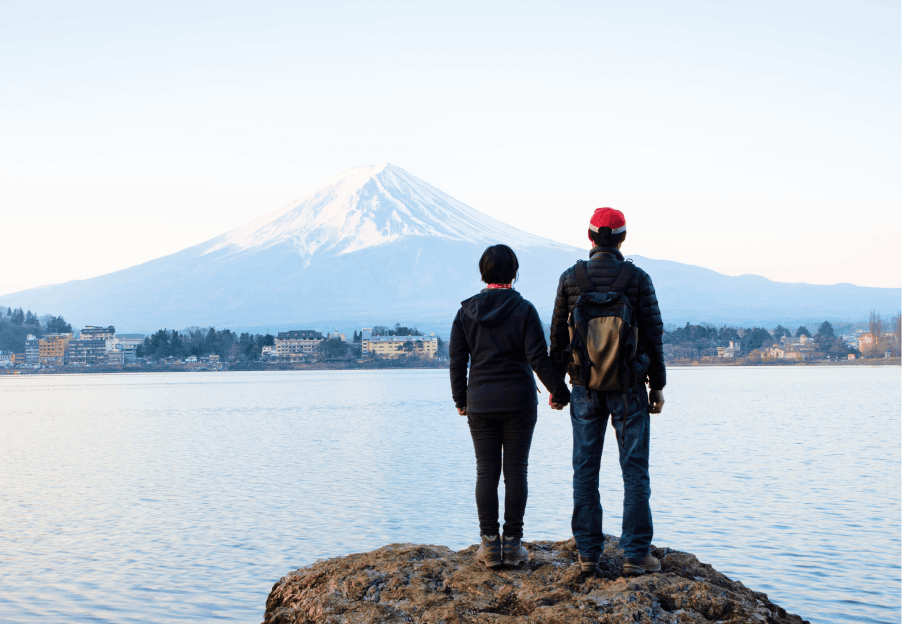
4. Climbing Mount Fuji
Epic scenes
At 3,776m high, Mount Fuji is the highest mountain in Japan. Surrounded by lakes and epic scenery, it’s not only a challenging climb but also a spiritual and significant place for Japanese people. If you’re planning on strapping on your hiking books and scaling it, it’s open to hikers from early July to early September. Peak season lasts from late July to late August. Expect the most crowds during the Obon holidays, usually in the middle of August. Consider booking a Mount Fuji climbing tour too.
5. Awa Odori Dance Festival
Famous dance festival
Tokushima’s Awa Odori is the most famous of the dance festivals held in the Obon holidays in mid-August. The event runs from 12th – 15th August, with thousands of people coming to see the 400-year-old “Fool’s Dance”. You’ll see some events in the daytime, but most happen at night where streets are blocked off and groups of dancers perform in processions through the crowd and on open-air dance stages across the city.

6. Autumn foliage viewing
Beautiful autumn colours
Once autumn hits Japan, the country dramatically changes colour. You’ll see deep reds, golden hues and magnificent oranges as the leaves on the trees in the country’s many forests turn in line with the season. The best places to see the breathtaking colours include Yoyogi Park, Mount Takao and Koishikawa Korakuen in Tokyo, as well as Tenryu-Ji and Nanzen-Ji temples in Kyoto.

7. Sapporo Snow Festival
Spectacular snow sculptures
Held for one week in Sapporo every February, the Sapporo Snow Festival is one of the most popular winter events anywhere in Japan. It began in 1950 when a few students built snow sculptures in Odori Park and is now a huge spectacular event staged across three sites. Head down to the Odori Site (the main festival hub) for epic snow sculptures. Visit the Susukino Site for 100 ice sculptures. And let loose at the Tsudome Site on the snow slides.
8. Nada Fighting Festival
Superb spectacle
Held every year on the 14th and 15th of February at the Matsubara Hachiman Shrine in Himeji City, the Nada Fighting Festival is all about colourful floats and processions to the shrine. The first day is a little calmer, with seven teams representing seven city districts carrying floats to the shrine for a series of rituals. On the second day, three teams carry huge mikoshi (portable) shrines through the streets and jostle and barge one another with the aim of hoisting their shrine on top of another to win the “fight”.

9. Sumo tournament
Japan’s #1 sport
Immerse yourself in Japan’s national sport by attending a sumo tournament in Tokyo. There are three tournaments held in Tokyo every year, in January, May and September. And remember, this isn’t for show and a tourist attraction, it’s a real sport and a huge deal in Japan. Each tournament lasts around 15 days, so there’s plenty of chance to get tickets. Head to Tokyo’s sumo stadium – Ryogoku Kokugikan – to watch the action and join the crowds clambering to see their favourite wrestlers.
10. Winter Illuminations
Incredible lights, fireworks and more
You might have seen the pictures of the twinkling Christmas lights and huge Christmas trees in Tokyo, but all of Japan goes all-out with winter illuminations. Stroll the streets to see the lights or park up at one of the annual festivals. Some of the top spots include the weekly fireworks at Lake Yamanaka at the foot of Mount Fuji, the light display at the Shiodome shopping complex in Tokyo, the Kingdom of Lights in Nagasaki, and the illuminations in Nakanoshima in Osaka.
Discover more
Japan rewards travellers who venture beyond the obvious, and a good travel guide is the easiest way to start mapping out a trip that balances buzzing cities with quiet countryside. In the capital, dig into Tokyo's distinct neighbourhoods and start your mornings among the tuna auctions and street food stalls of its famous fish markets, then head further afield to seek out some of the more unique experiences the country has to offer — soaking in a mountain onsen, staying overnight in a temple, or riding the bullet train to a rural festival. However you choose to experience Japan, it's the mix of ancient tradition and modern energy — spread from Hokkaido's snow country to Okinawa's subtropical islands — that makes it a destination worth returning to again and again.
FAQs about the best time to visit Japan
Thinking of travelling to Japan? Skyscanner can help you find the best flights, hotels and car rental deals for your next trip.


