Canberra is often referred to as a city in a park for good reason. As a city planned with access to the outdoors in mind, an escape to nature is never too far away. From water activities to bushland treks, here’s how to make the most of Canberra’s accessible wilderness.
In partnership with

Before your trip, be sure to check the ACT government website for the latest COVID-19 travel advice and restrictions.
Canberra’s designer was a man with a plan
In 1911, city architects from all over the world sent their best ideas to the Australian government in hopes that their plan would be the one chosen for the country’s capital city. However, only Walter Burley Griffin’s plan stood out above the rest. As Canberra’s winning city designer, working in collaboration with his wife Marion Mahoney, the architect looked at Canberra’s landscape and designed the city to function as a cluster of smaller towns connected by natural, open spaces. The region’s mountain ranges and the Molonglo River would serve as a scenic backdrop. Today, Canberra has managed to hold tightly to its city in a nature park moniker through a network of cycling and walking trails, where it’s common to cross paths with a kangaroo.
Rest, relax and reconnect in Canberra’s nature
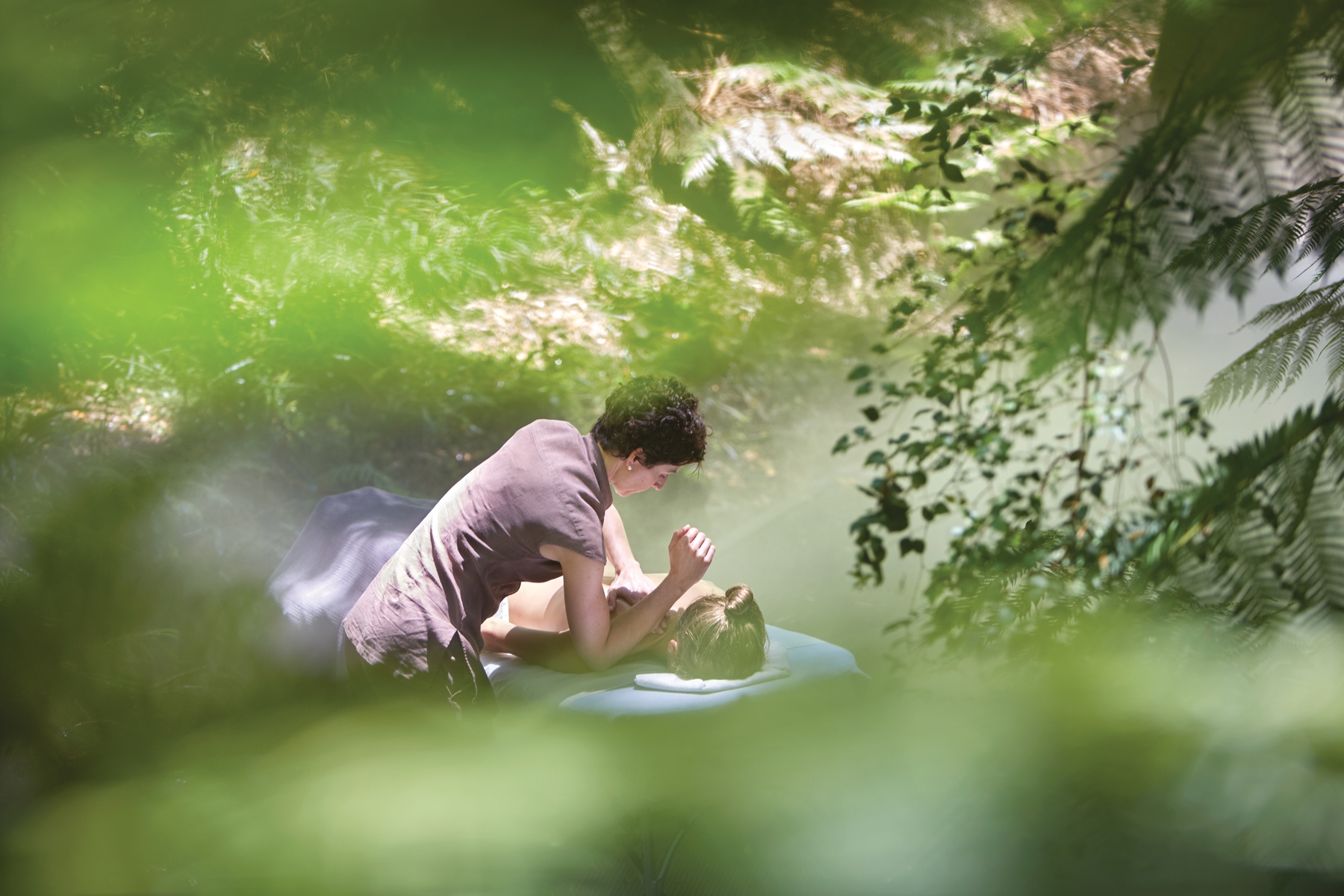
If you want to unwind, tuck into the Australian National Botanic Gardens, a sanctuary of native Australian flora, many of which are threatened in the wild. Regular events include guided tours, flower painting workshops, and sunset cinema viewings during summertime. For the ultimate relaxation, book a massage or spa treatment at Jindii EcoSpa, where pampering products are made from locally sourced botanical ingredients.
There’s no better way to see the sunrise in Canberra than from the cosy basket of a hot air balloon. Rides take place all year round, depending on the weather, and you’ll be able to spot iconic sights like the Parliament House, the Australian War Memorial and the National Museum of Australia, all tucked in between the nature reserves. At the end of the flight, it’s time to clink glasses with a bottle of bubbly.

Once you’ve experienced Canberra from land and sky, it’s time to take to the water. Hop onboard a GoBoat, an electric boat with a picnic table in its centre for a miniature cruise on Lake Burley Griffin. Or, if you prefer to explore the waters with your own muscle and might, rent a paddle boat, kayak, or SUP, typically available for hire from October to April. If Lake Burley Griffin is too placid for your liking, head to the nearby Murrumbidgee River to raft through the Red Rock Gorge.
Hikes and cycling trails with views to savour
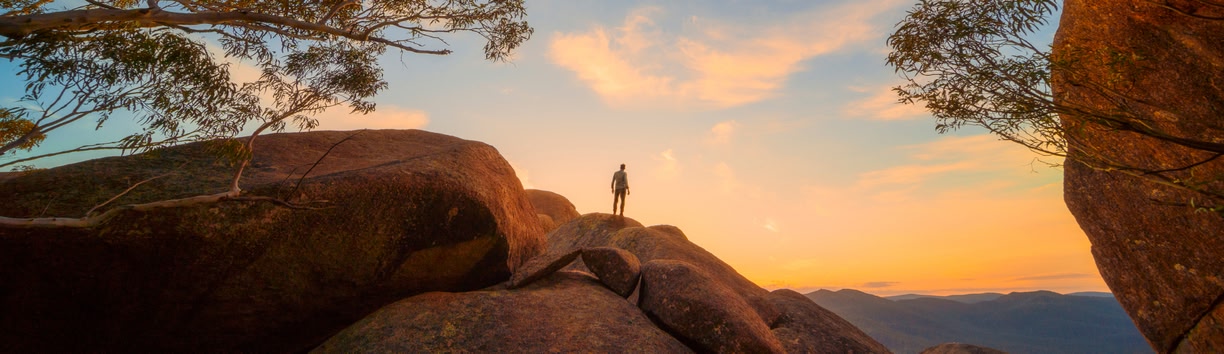
A popular trail among locals and travellers alike, the top of Mount Ainslie reveals panoramic views of Canberra—it’s especially spectacular at sunset. While the summit is accessible by car, hikers will love walking along the trail that starts at Remembrance Park and weaves through bushland. On quiet days, you might get a chance to spot kangaroos, wallabies, and plenty of birdlife. The trail ends at a lookout with prime views of the city.

In 2013 on Canberra’s 100th birthday, Canberra revealed its Centenary Trail, a 145km loop that takes hikers and cyclists on a journey through around Canberra’s highlights. Best of all this trail connects to the National Arboretum Canberra, a stunning area with over 90 forests of rare and symbolic trees. For good views, venture on the 2.3 km return trail to the top of Dairy Farmers Hill, which is home to the famous Nest III sculpture. There are also multiple sealed paths throughout the Arboretum that can cater to prams and wheelchairs.

If you want to see Canberra’s iconic highlights, you can easily get some fresh air between. A self-guided walking tour starting at Parliament House and then to the Museum of Australian Democracy at Old Parliament House, Albert Hall, National Library of Australia, National Portrait Gallery and National Gallery of Australia will set you on a culture-nature connected journey. If you prefer learning more as you traipse from spot to spot, there are a variety of walking and cycling tours available with local guides who are happy to answer even the most obscure Canberra questions.
Escape to the Australian wilderness
Simply by wandering through Canberra, you’ll likely encounter Australian wildlife. The local kookaburras, galahs, kangaroos, and wallabies seem to have a passion for Aussie politics.
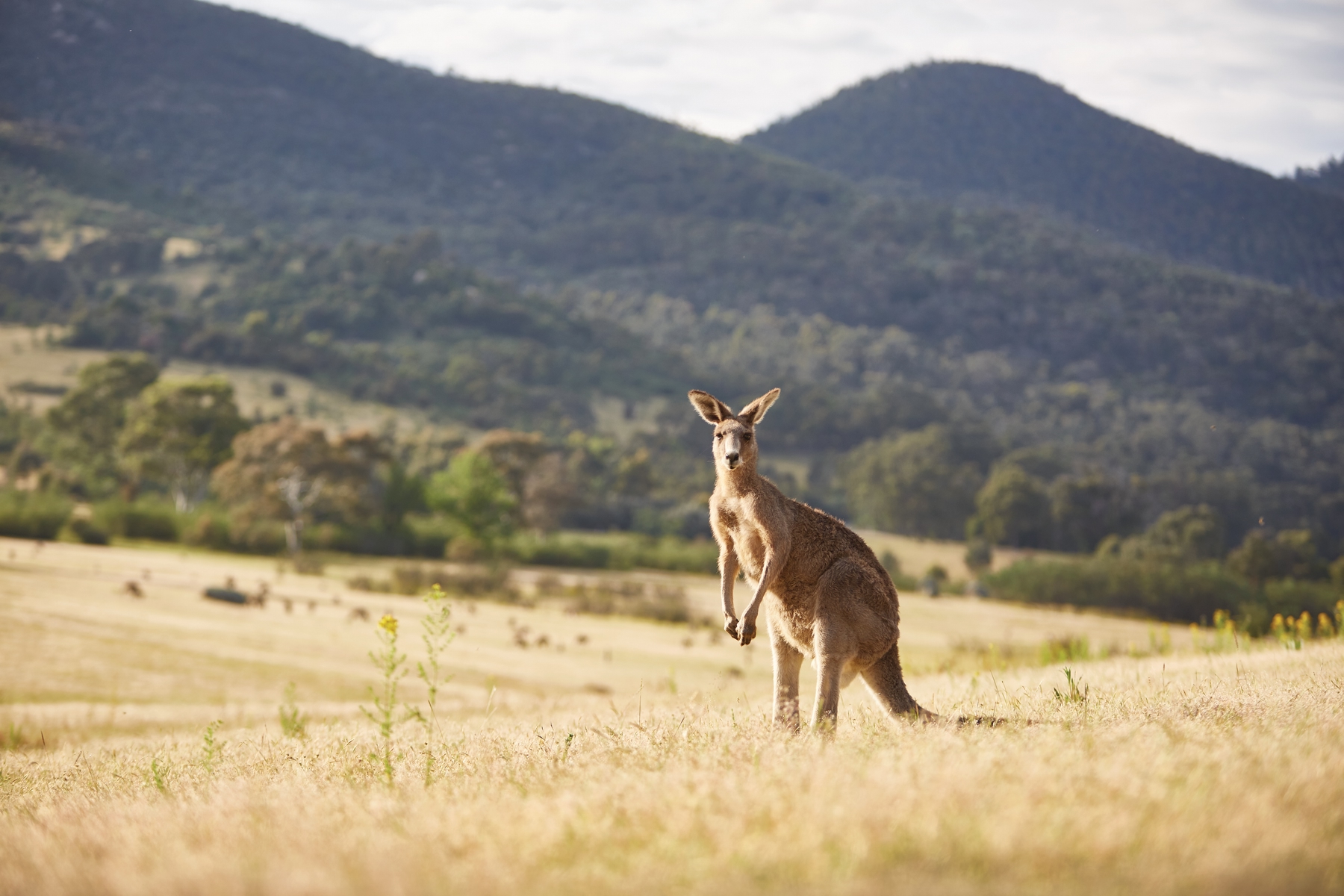
At the Tidbinilla Nature Reserve, a 45-minute drive from Canberra’s city centre, you might have a chance of spotting an elusive platypus. Echidnas, wallabies, emus, koalas, kangaroos, and over 160 species of birds call this diverse nature reserve home. It encompasses a variety of ecosystems ranging from wetlands to snow gum woodlands to grasslands, making it a safehaven for all types of critters. To learn more about the reserve, sign up for a cultural tour to learn about how the Ngunnawal people have connected with the landscape for over 25,000 years. Rangers teach about native medicines, bush tucker, and tell stories about the land, so you’re bound to leave with a deeper understanding of the multifaceted sides of the reserve. If you don’t want to leave, check into Nil Desperandum, a heritage homestead that welcomes visitors who are looking to disconnect just that little bit longer.
An hour away from Canberra, Namadgi National Park welcomes travellers hoping to escape any semblance of city life. Though this remote reserve is recovering from the 2020 bushfires, with some sections closed off, there are still plenty of walking trails within the park to explore in the meantime and see nature’s rejuvenation in action.

For guaranteed animal sightings, the National Zoo & Aquarium is where you’ll not only see endemic marsupials and mammals, but exotic creatures as well. The Zookeeper for a Day program will have you walking in the footsteps of a zookeeper, interacting with animals like meerkats, cheetahs, sun bears, giraffes, and offering enrichment activities to some of the zoo’s cleverest tenants. You might even get a chance to hang out with Zama and Solo interact, an unlikely dog and cheetah duo who have become best buds.
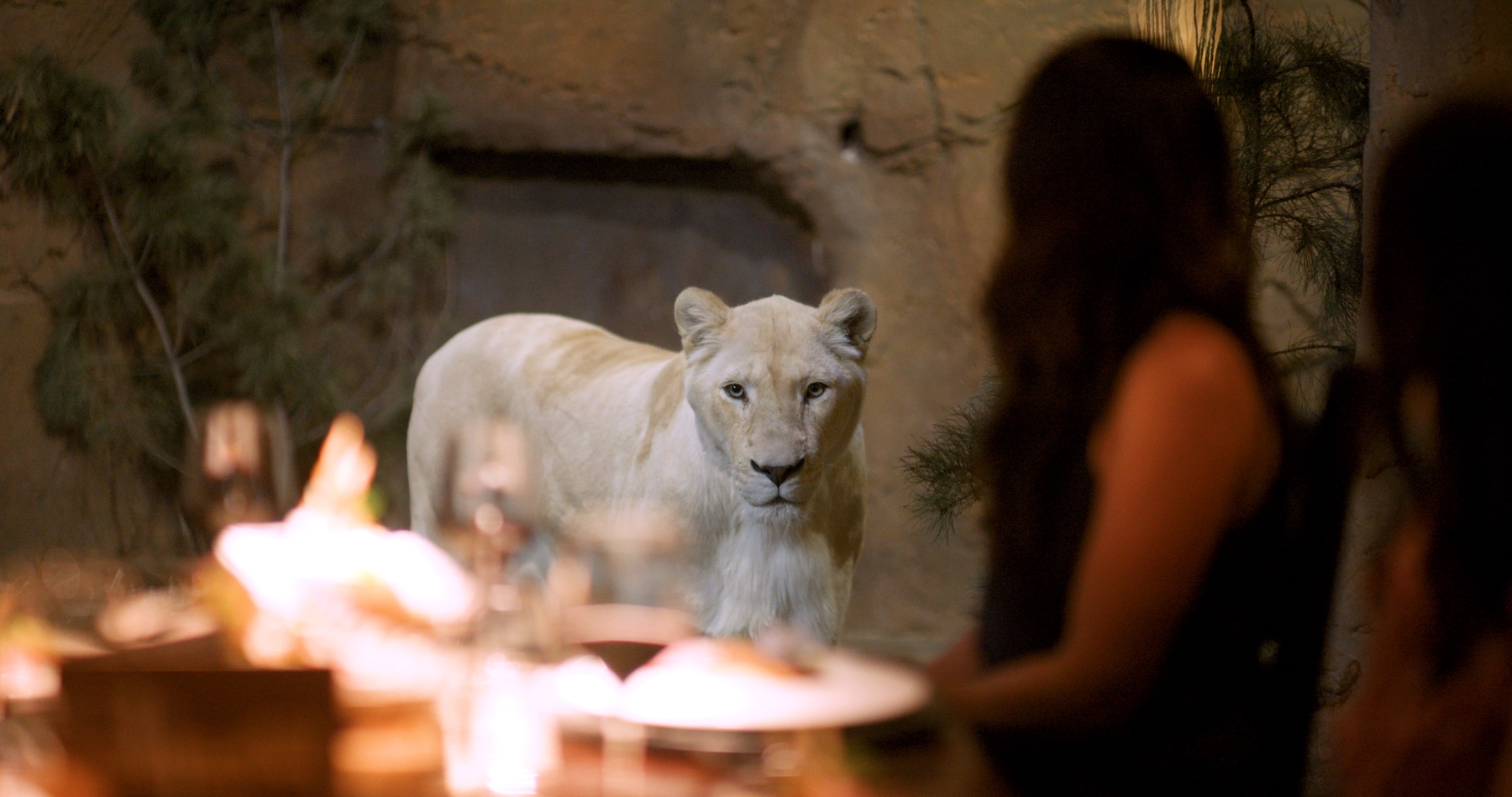
The fun doesn’t stop after the zoo closes once you check into Jamala Wildlife Lodge. At this luxury hotel, you can sleep amid the treetops at the Giraffe treehouse or take a cat nap next to a lion, tiger, cheetah, or bear—with a glass wall separating you as you snooze. Best of all, proceeds from Jamala Wildlife Lodge help fund wildlife conservation and breeding programs around the globe.
Discover your new favourite campsite
As a city that’s mastered the art of leaning into its natural surrounds, it’s probably no shock to know that Canberra is where campers earn their happy title. Camping with an air of luxury is easily found just outside of the city at Naked Cubby, a retreat set among vineyards where you can sip a glass of wine while sitting in a comfy deck chair before checking into your safari-style bell tent for the evening. No camping discomforts found here, as each tent is outfitted with a plush king-size bed and solar lighting. Alternatively, you can join the family friendly WildFest glamping event at Tidbinbilla during spring and autumn school holidays.
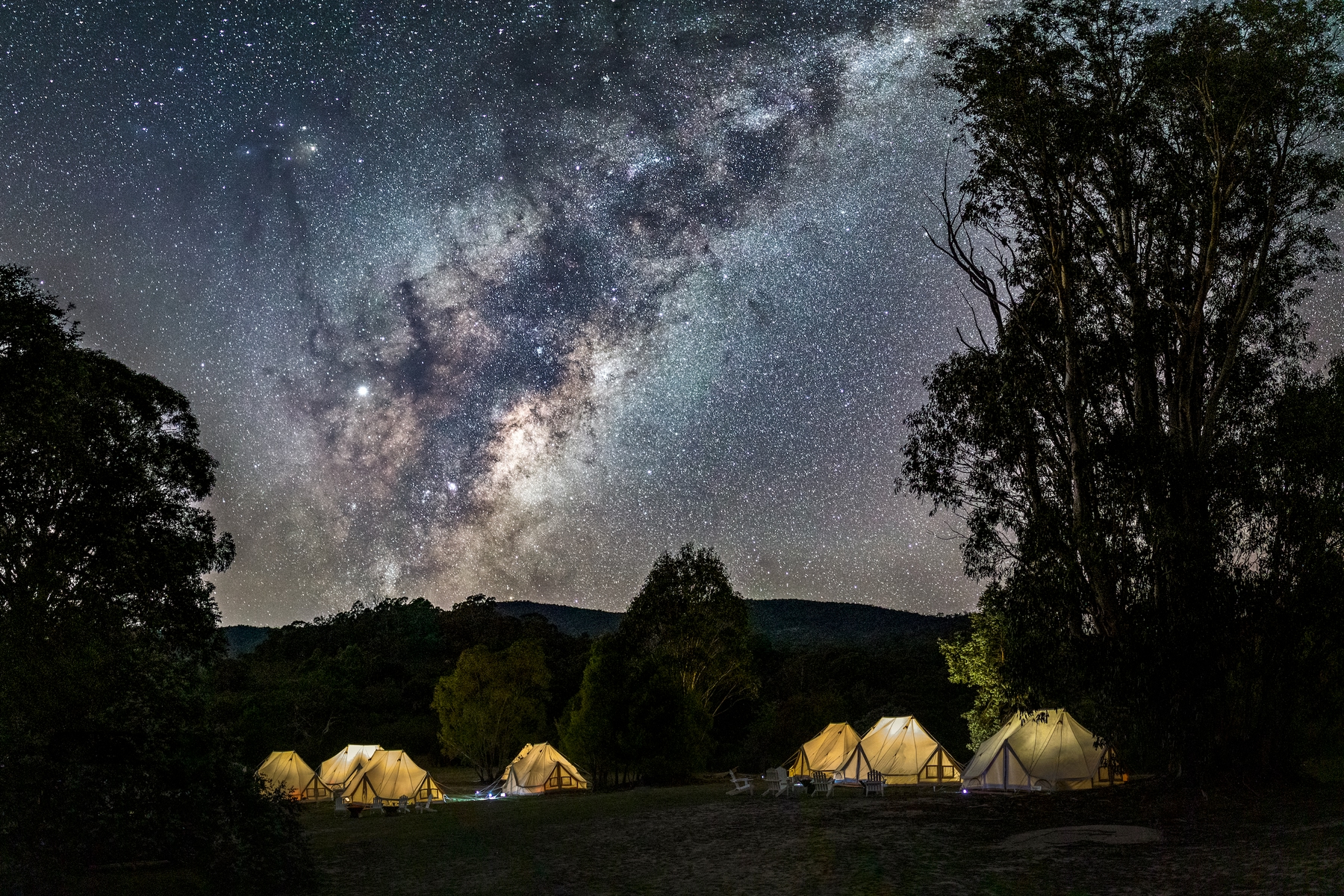
For a more traditional camping experience, pitch a tent next to one of Canberra’s favourite swimming and picnic spots, Cotter’s Campground set just steps away from the Cotter River. Be sure to book ahead, as spots can be in high demand certain times of the year.
And if you dream of alpine adventures, head to Corin Forest. In winter, it’s a great place to get into a snowball fight, learn to ski, or test your fear of speed on an alpine slide.
While Canberra often makes headlines for the ongoings happening indoors at its Parliament buildings, it’s earned a city in nature reputation for a reason. No matter whether you’re into outdoor thrills or natural solitude, you’ll find an opportunity to get outdoors in Canberra.
Read more
- 8 interesting things to do in Canberra
- The best camping spots in Canberra and surrounds
- The 10 best staycation spots in Australia