Medina, Marrakech guide

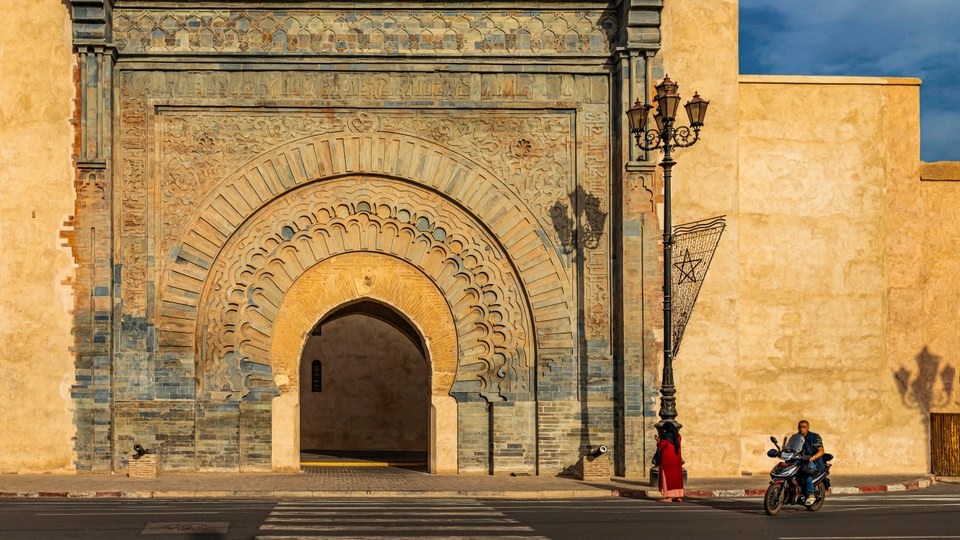
In the heart of Marrakech, this UNESCO-listed neighbourhood is a maze of alleys where history and daily life converge. Within its ancient walls, you’ll discover spice-scented souks, tiled mosques and hidden courtyards. From the energy of Jemaa el-Fnaa to tranquil gardens nearby, our Medina travel guide reveals the city’s most famous quarter.

Medina highlights
Markets galore

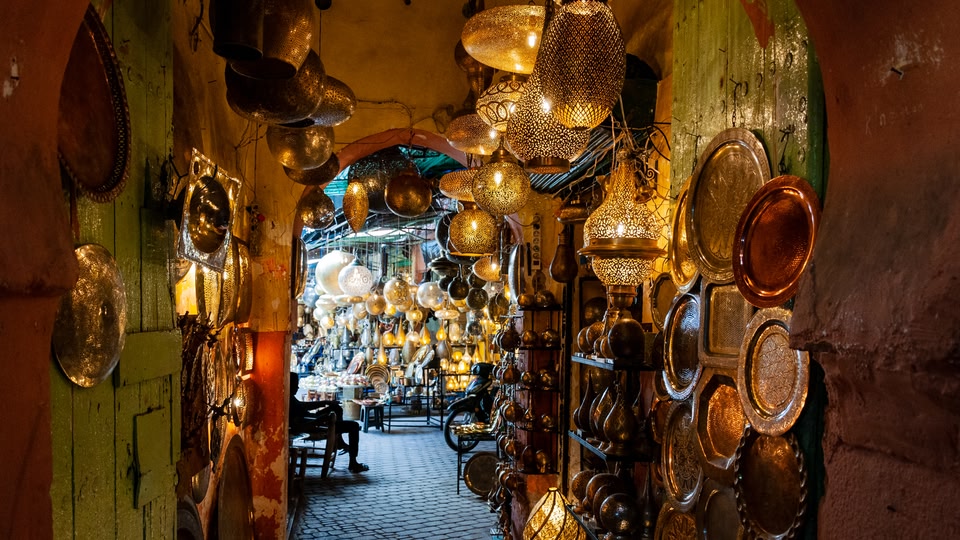
Getting lost in the Medina’s narrow, winding streets is one of the best ways to discover the neighbourhood. Begin early in the day at Souk El Attarine before the crowds build, then follow the scent of spices to Souk Semmarine. See skeins of bright wool hang overhead around Souk Sebbaghine. And don’t miss Rahba Kedima, where apothecaries sell herbs, oils and traditional remedies.

Ancient hammams

Tucked behind unassuming doors, Marrakech’s historic bathhouses still form part of daily life. Hammam Mouassine offers a peek into centuries-old cleansing and wellness rituals beneath vaulted, steam-filled rooms. Book a private hammam experience for a luxurious pamper session, or see a more authentic side at a public hammam. Just don’t forget your soap, towel, slippers and swimsuit.

Monumental mosques

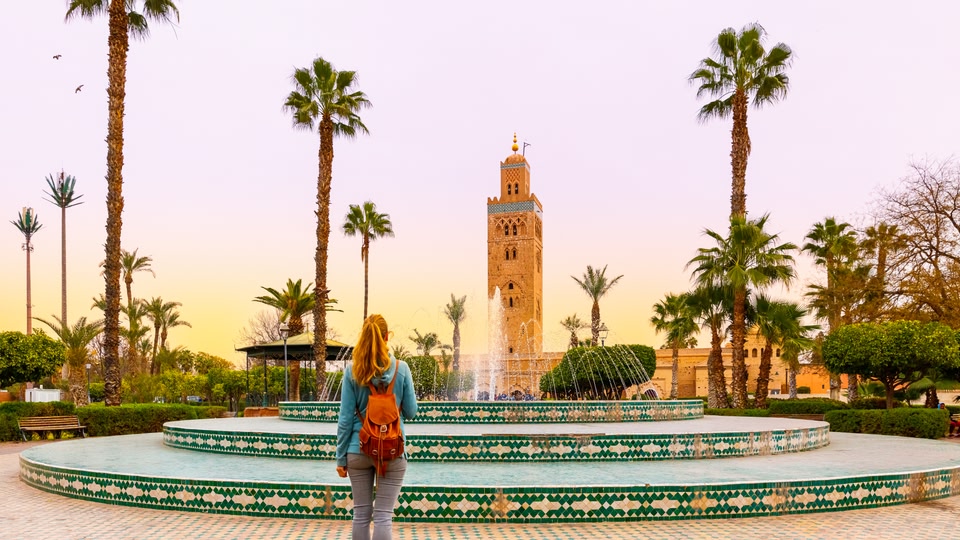
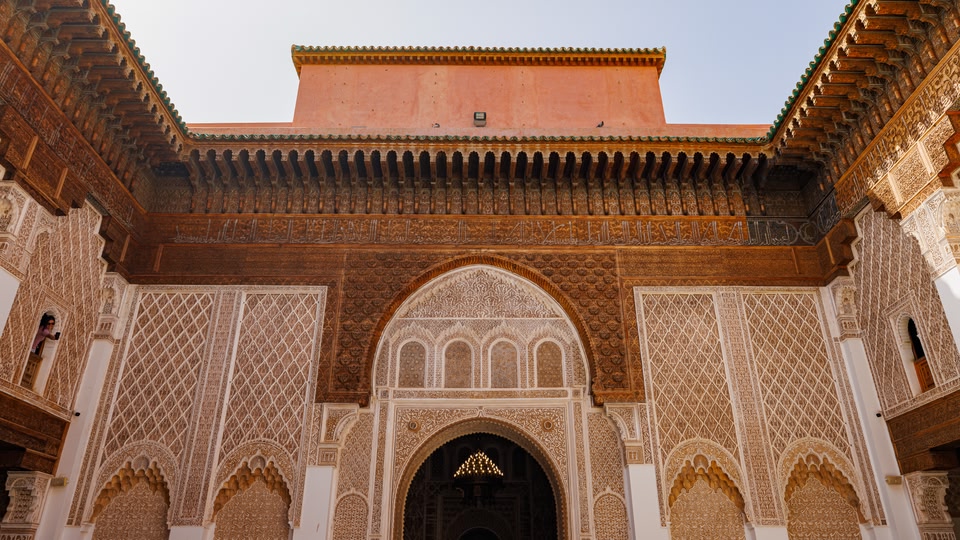
The Medina is home to some of Marrakech’s most important mosques. The Koutoubia Mosque and its 12th-century minaret dominate the skyline — non-Muslims can’t go inside, but the exterior and gardens are perfect for wandering. Next to the Ben Youssef Mosque, you’ll find the centuries-old Medersa Ben Youssef, a UNESCO-listed former Quranic school famous for its marble, tiling and striking courtyard.

Things to do in Medina

Family-friendly

The central Jemaa el-Fnaa square is always buzzing with performers like musicians, snake charmers and storytellers. For a quieter activity, escape the crowds with a visit to the tranquil Le Jardin Secret, a 19th-century palace with traditional Islamic gardens. Travelling with young foodies? Join a hands-on cooking class at the Moroccan Culinary Art Museum, set in an 18th-century palace.

Museums and culture

Step inside Dar El Bacha palace, home to the Museum of Confluences, to explore art and exhibits celebrating Morocco’s diverse heritage. And discover more of Marrakech’s past through 19th- and 20th-century photographs at Maison de la Photographie. When you’re ready to sniff the best-smelling museum in the Medina, stop by the Musée du Parfum to learn about Morocco’s long tradition of perfumery.

Restaurants

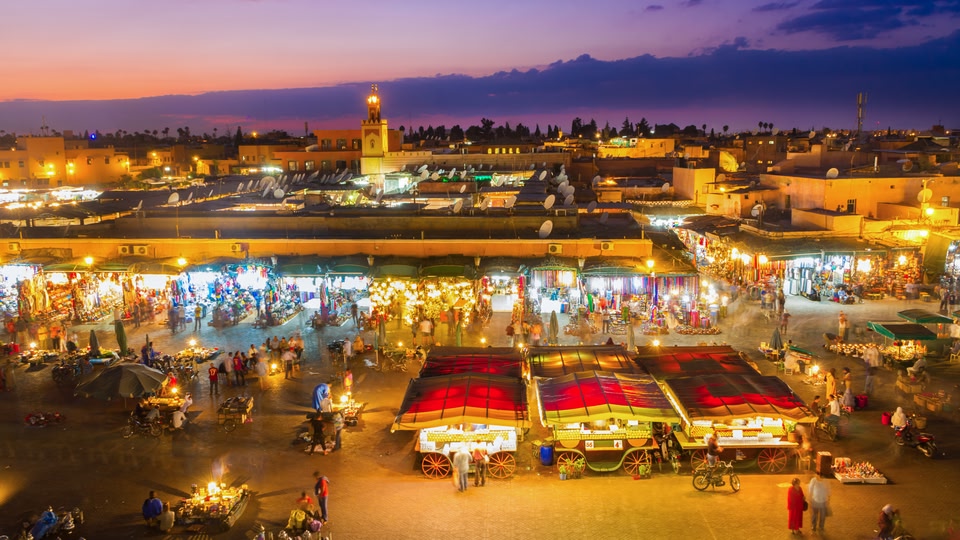
As evening falls, Jemaa el-Fnaa transforms into one of the city’s liveliest dining spots, its stalls sizzling with spicy merguez sausages, tagines and harira soup. Don’t miss Mechoui Alley for slow-roasted lamb cooked in underground ovens. For a swankier dining experience, you’ll find some of the best restaurants in the Medina tucked inside a traditional riad — houses with garden courtyards.

Nightlife

After dark, the Medina shifts gears as drummers, storytellers and street performers turn Jemaa el-Fnaa into a festival of sound and light. Rooftop terraces glow with lanterns, many serving mint tea rather than alcohol, which is limited to licensed venues. For a quieter evening, retreat to a riad bar above the lively streets.

Shopping

Lose yourself in the Medina’s souks, where narrow alleys brim with colour and the scent of spice. Stalls spill over with handwoven rugs, brass lanterns and leather goods — and haggling is all part of the experience. If you’re looking for a calmer browse, visit Ensemble Artisanal, a government-run cooperative selling authentic crafts at fixed, fair prices.

Events

Every summer, El Badi Palace’s courtyard hosts the National Festival of Popular Arts, a celebration of Morocco’s diverse arts heritage through dance, music and folkloric performances. During Eid al-Fitr, the Medina area comes alive with prayers at the Koutoubia Mosque, lively street celebrations and market stalls selling sweet fried ‘chebakia’ biscuits and almond-filled ‘briouat’ pastries.

FAQs about Medina holidays

Staying near Jemaa el-Fnaa puts you within easy reach of souks, museums and cultural attractions. For a quieter stay, opt for riads or boutique guesthouses on side streets further away from the hustle and bustle of the main square.
The Medina is mostly affordable, though restaurants and riads near Jemaa el-Fnaa can cost more, especially during the peak season. Visit in winter for better rates, and explore smaller souks and side streets — you’ll find authentic food, stays and souvenirs at friendlier prices.
The Medina area is generally safe for visitors, though narrow streets and crowded markets can make pickpocketing a concern. Keep valuables secure, stay aware of your surroundings in busy squares like Jemaa el-Fnaa, and stick to well-lit streets after dark.