Holidays to Gambia
Top destinations in Gambia

Banjul
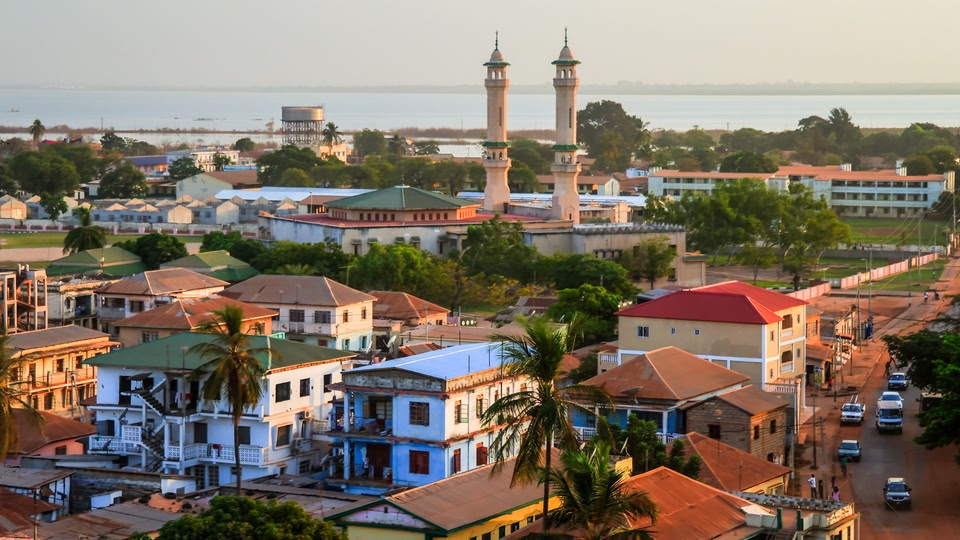
Gambia’s capital is a pint-sized powerhouse, filled with lively markets, heritage sites and museums. It’s also the perfect homebase to dreamy beaches and epic wildlife reserves.
Gambia: fast facts
| Language | English |
|---|---|
| Currency | Gambian dalasi (D) |
| Time zone | UTC+0 (GMT) |
Gambia holiday highlights
Go birdwatching
Home to more than 600 species of birds, Gambia is one of Africa’s best birdwatching destinations. Spot sunbirds, African goshawks and green turacos in the Abuko Nature Reserve. Or explore the Marakissa River Camp, where you’ll spy kingfishers and raptors. The Tanji Bird Reserve will keep your binoculars busy with its woodland, lagoons, scrub and mangrove swamps lining the Atlantic coast.
Shop for crafts
Crafts like woodcarving, batik, pottery and basket weaving play an important role in Gambian culture. Find galleries and workshops exhibiting pieces by local artists at the Kachikally Crocodile Pool in Bakau and browse for souvenirs at the Senegambia Craft Market. If you’re visiting Banjul, get ready for friendly haggling at the bustling Albert Market.
Take a river cruise
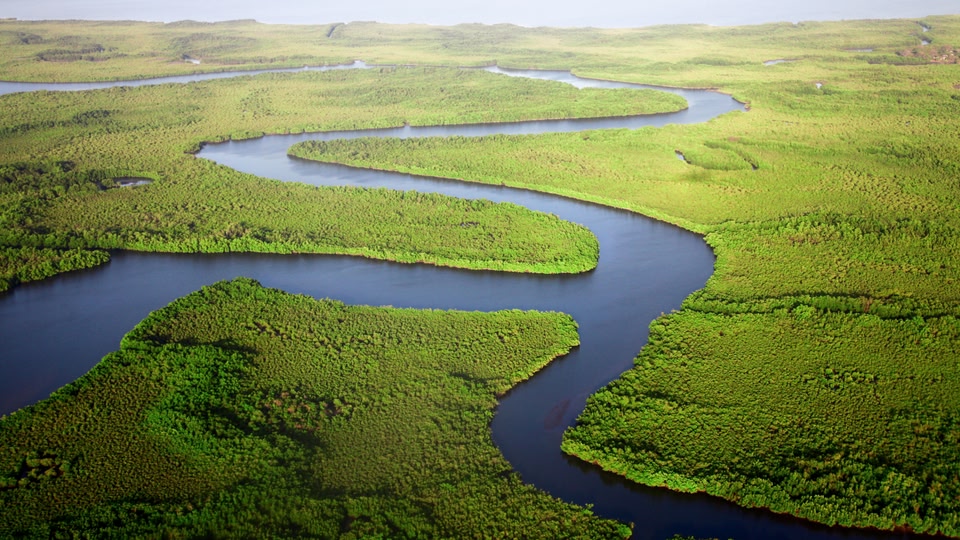
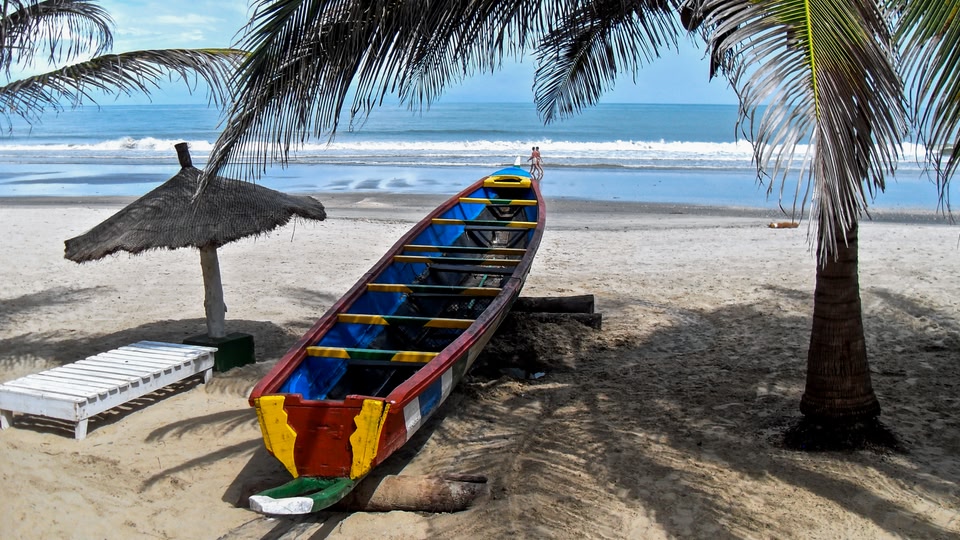
One of the best things to do in Gambia is to take a river cruise on the River Gambia in a traditional ‘pirogue’ (fishing boat). In the River Gambia National Park, look out for leaping monkeys, soaring pelicans and hippos relaxing in the water. Upriver, rainforests give way to savanna and mangrove swamps, home to countless more species of flora and fauna.
Things to do in Gambia
Top attractions
The golden sands of Kotu Beach are one of the country’s biggest draws. For a deep dive into Gambia’s history, visit Kunta Kinteh Island, whose fort once served as a holding cell for enslaved people during the transatlantic slave trade. Nature lovers should beeline to the Abuko Nature Reserve, famous for its Nile crocodiles and hundreds of bird species.
Beaches
Lined with palm-fringed beaches, Gambia’s nearly 80-kilometre coastline is one of the country’s biggest draws. The Atlantic coast resorts of Kololi, Kotu and Bakau attract tourists looking for long beach days and equally long nights on the dance floor. If you prefer a quieter scene, head for Sanyang Beach, a tranquil stretch of shoreline known as Paradise Beach.
Nature
From rare birds in the Bao Bolong Wetland Reserve to reptiles at the sacred Kachikally Crocodile Pool, Gambia is packed with fascinating nature to explore. If you’re looking to see more wildlife at close range, hit Bijilo Forest Park’s walking trails, which are known for monkey sightings. Or spot chimps swinging from treetops and squabbling with baboons at the Chimpanzee Rehabilitation Project.
Culture and museums
The National Museum in Banjul is easily one of the best museums in Gambia. Take a stroll around July 22 Square to find striking examples of colonial architecture. For more history, schedule a visit to the National Museum of Albreda, which focuses on Gambia’s history of slavery and includes admission to UNESCO-listed Kunta Kinteh Island.
Cuisine
The traditional restaurants in Gambia feature fresh produce, grilled seafood and spicy stews and rice dishes. Try ‘benachin’, also known as ‘jollof rice’, made with meat, tomatoes, onions, peppers and seasonings. For a seafood staple, look out for ‘ebbeh’, a tasty mix of smoked fish, shrimp, crab and cassava. Don’t leave without a taste of Gambia’s national dish, a peanut stew called ‘domoda’.
Family friendly
Keep your eyes peeled for baboons, lizards and birds on a guided walk through the Makasutu Culture Forest’s wetlands and palm groves. The Tanji Village Museum’s recreation of a traditional Mandinka village offers a fascinating glimpse into traditional Gambian craft making, music and customs. Need a day of relaxation? Soak up the sun on Cape Point’s family-friendly beach.
Find the best time to visit Gambia
Weather in Gambia
June – October: Gambia’s rainy season sees a mix of sunshine and showers, with heavy downpours usually occurring at night. Alongside the high humidity, expect daytime temperatures to creep upwards of 30°C. Fewer crowds mean it’s a prime time to visit if you’re on a budget.
November – May: Warm, sunny days and minimal rain make the dry season ideal for beach trips and outdoor adventures. Nights are cooler, and there are fewer mosquitoes to annoy you than in the rainy season. If you’re planning to do some birdwatching, visit between October and December, after the rains and before the dusty winds pick up later in the season.
Events in Gambia
Banjul Demba Cultural Festival (January): The capital kicks off its celebration of Gambian culture and heritage with a large-scale parade through the city in traditional dress. The festival also showcases art exhibitions, music and dance performances.
Kartong Festival (February): Held in the village of Kartong near Gambia’s southern border, this annual festival features cultural displays of traditional dance and music. Don’t miss the drumming and dance workshops to learn about the importance of the djembe drum in Gambian culture.
Bureng (Koosee) Cultural Festival (March): Celebrated by the Mandinka people in Bureng, this festival marks the end of the harvest with live music, dance, storytelling and local foods and crafts.
Know before you go
Local etiquette
Take time to greet people by saying ‘as-salamu alaykum’ (peace be upon you), and always be respectful of elders. Gambia is a mostly Muslim country. Dress modestly with shoulders and knees covered, especially in villages and rural areas. If you’re eating with your hands in a traditional setting, use your right hand, as the left is considered unclean.
Health and safety
It’s generally recommended to get hepatitis A and B, tetanus, typhoid, meningitis and cholera vaccinations before visiting Gambia. Mosquito-borne diseases like malaria and yellow fever can be a risk. Protect yourself by wearing long sleeves, trousers and applying lots of insect repellent. Tap water isn’t safe to drink, so stick to bottled water.
LGBTQ+ travel
LGBTQ+ travellers need to exercise extreme caution when travelling to Gambia, where same-sex relationships are illegal. The country’s zero-tolerance policy on LGBTQ+ individuals comes with lengthy prison sentences. Gambian law also criminalises the gender expression of trans people. Familiarise yourself with Gambia’s local laws and penalties before visiting, and consult your country’s foreign affairs office for up-to-date guidance on safety and security.
Budget
It’s easy to plan a cheap holiday to Gambia, especially away from the more tourist-heavy resorts. You can order an inexpensive meal for less than 325 Gambian dalasis (D) and a coffee for as little as D165. If you’re catching a taxi, expect to pay around D250 for a short ride.
Getting around Gambia
Public transportation
Buses: The Gambia Transport Service Company (GTSC) is the primary bus operator, providing urban and intercity services. One of the most popular routes is between Banjul and Dakar in neighbouring Senegal. ‘Bush taxis’ are also a popular way for locals to get around. These are shared vans or minibuses that travel between towns and villages for a fixed fare.
Boats: Ferries connect the southern and northern banks of the Gambia River, with the Gambia Ferry Service operating frequent daily services on the Banjul–Barra route. Along with passengers, you’ll also see vehicles and animals onboard.
Domestic flights
The country’s only airport, Banjul International Airport, has no option for domestic flights. Brussels Airlines, TUI Fly and Air Peace operate most of the international flights to Gambia’s capital city of Banjul.
Driving
Driving in Gambia can be tricky, with chaotic traffic, few signs and many unnamed roads. Some routes are unpaved and riddled with potholes, so go slow to avoid damage. Heavy rains from June to October can cause flooding. Be sure to take extra care when travelling in rural areas or on dirt roads.


