Your guide to Valencia

Valencia highlights
Architectural masterpieces
Local architect Santiago Calatrava designed the white opera house and reflecting pools of the futuristic City of Arts and Sciences complex. A highlight is Hemisferic, an IMAX theatre and planetarium in a building shaped to represent an eye. In the Old City, the 13th-century Valencia Cathedral features grand stone archways and Renaissance frescoes of angels. Climb the El Miguelete bell tower for panoramic photos of the city’s renowned architecture.
Spanish art
One of Spain’s top art galleries, the Museo de Bellas Artes, features paintings by Spanish masters, including Francisco Goya and Joaquin Sorolla. In the El Cabanyal neighbourhood, see where Sorolla was born in 1863 at number 8 Calle de las Mantas. Time your stay in Valencia during Festival 10 Sentidos, an annual living arts celebration held at iconic spaces across the city.
Gardens and beaches
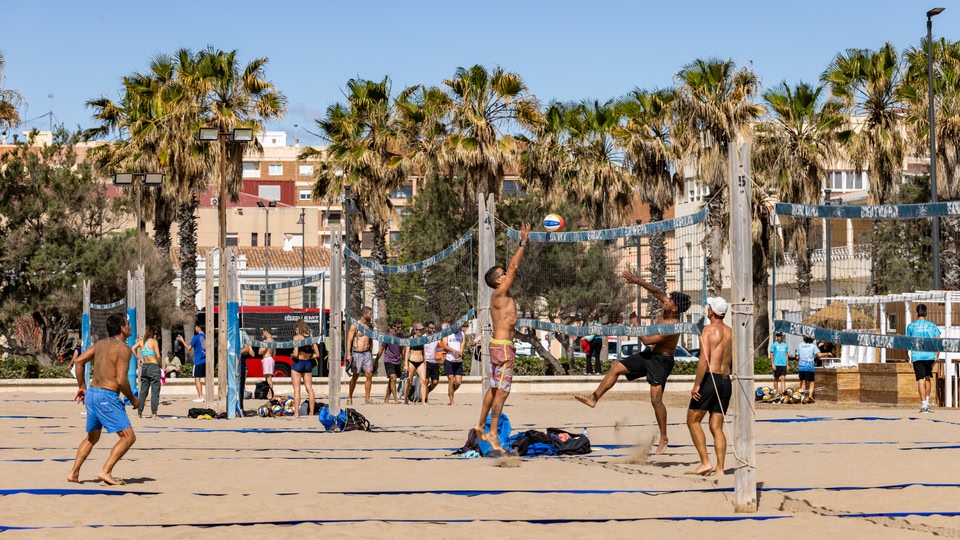
It’s easy to plan budget trips to Valencia, with plenty of outdoor attractions that are free or cheap to visit. Walk or hop on a Valenbisi share bike to discover the orange trees and fountains of Jardines del Turia. The park runs right through the city, so it’s also a convenient route for getting around. Enjoy a game of beach volleyball at Playa de las Arenas or escape the crowds to relax at Playa de la Patacona.
Valencia: Know before you go
| Language | Spanish, Valencian |
|---|---|
| Currency | Euro (€) |
| Time zone | UTC+1 (CET) and UTC+2 (CEST) |
| High season | July - August |
| Low season | January - February |
Find the best time to go to Valencia
Weather in Valencia
April – May: Enjoying some 300 days of annual sunshine and very little rain, Valencia is pleasant much of the year. Late spring might be the best time to visit, as the weather is warm, but the summer crowds haven’t yet arrived.
June – October: Warm, sunny days and swimmable water temps carry well into September. In August, some shops and attractions close as locals head off on holiday. October is the city’s rainiest month, so be sure to pack an umbrella.
November – March: Autumn rains and cooler winter temperatures keep tourists away. In turn, many local attractions adjust their operating hours. Expect occasional flash flooding, high winds and cold snaps.
Events in Valencia
Maritime Holy Week (March or April): Valencia has its own colourful twist on Holy Week, where locals carry statues to the shore to mourn those lost at sea. Parades, live music and flower offerings round out the lively event.
Great July Fair (July): This month-long summer festival includes open-air concerts, artisan markets, a spectacular fireworks show and more.
La Tomatina (August): Held in the nearby town of Buñol, this famous festival has been dubbed the World’s Biggest Food Fight. In the spirit of community and fun, thousands of people gather to throw tons of ripe tomatoes at each other.
The best neighbourhoods in Valencia

Ciutat Vella
Otherwise known as the Old City, Ciutat Vella is the best neighbourhood to stay in Valencia for easy access to historical landmarks. Visit the Gothic former silk exchange, 15th-century La Lonja de la Seda. Mercado Central is an art nouveau market where you can buy fresh fruit, veggies and seafood. Wander into the backstreets to find ancient sites, including the Portal de Valldigna, the entrance gate to the former Moorish quarter.
Good for: Historical landmarks, markets, souvenir shops
Algiros
Fashionable and lively due to its student population, Algiros is known for its trendy nightclubs and multicultural restaurants. It’s the best area to stay in Valencia for tapas bars, which are clustered around Plaza del Cedro. Cycle with the kids along the leafy Blasco Ibanez Avenue to relax at the park Jardín D’Ayora. From here, bike about 10 minutes to Malvarrosa Beach.
Good for: Nightclubs, tapas bars, parks, international restaurants
Benimaclet
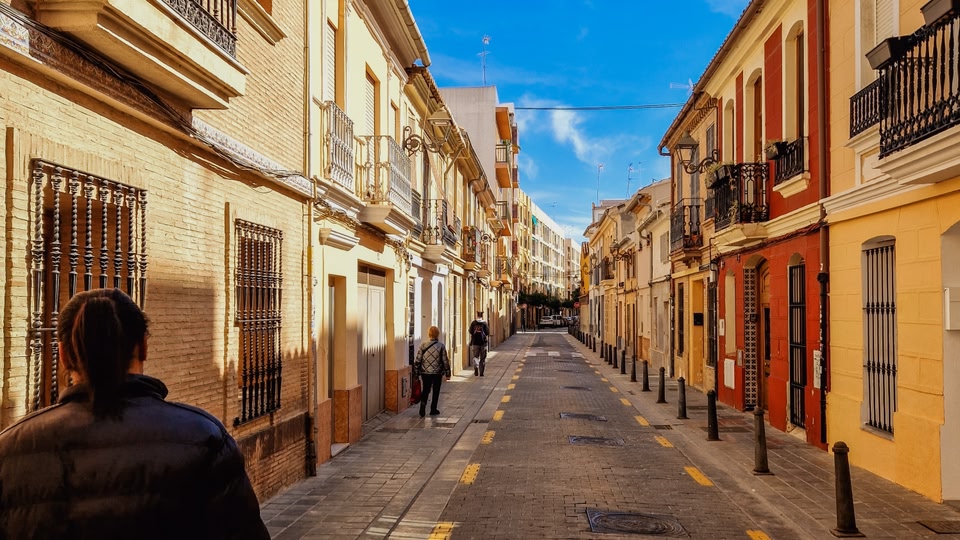
Between the coast and the Old City, Benimaclet is where to stay in Valencia for a taste of local life. Activity revolves around the historical pedestrian square, and there’s a village vibe at family-run shops and cute cafes. You’ll see traditional Valencian tiled buildings and street art around the neighbourhood. Take a 15-minute walk to Arena Multispace Shopping Centre for an air-conditioned retail escape.
Good for: Cafes, traditional architecture, shopping

Things to do in Valencia
Free things to do
When you’re looking for free things to do in Valencia with the kids, enjoy the slides and climbing ropes at Gulliver Park. No entrance fee is charged to climb to the top of the 15th-century Torres de Quart on Sundays and holidays. A former gate of the old city wall, it features panoramic views and cannonball marks from the Napoleonic invasion.
Shopping
With international brands and designer fashion, Calle Colon and Calle Don Juan de Austria are the most popular streets for shopping in Valencia. But don’t miss out on the local boutiques hiding in the city’s alleyways. Find souvenirs such as hand-painted fans and silk fabrics at Plaza Redonda in the Old City. If you love vintage treasures, shop in the Ruzafa neighbourhood.
Take in the culture
To participate in festival traditions, time your trip with the famous Fallas of Valencia in March. Or see the comical ‘ninot’ figurines from parades at Museo Fallero. La Almoina Archaeological Museum displays ancient remains of a Roman bathhouse and a royal cemetery. Set aside plenty of time to see art museums in Valencia, such as IVAM, which has permanent modern art collections and revolving contemporary art exhibitions.
Nightlife
El Carmen in the Old City is a hub for nightlife in Valencia. Stay in the Old City to walk from your hotel to bars and live music clubs, including Radio City for jazz bands and flamenco shows. Known as the hipster district, Ruzafa’s alternative venues serve craft beer and creative cocktails. If you enjoy finding local hangouts, bar hop along Juan Llorens street in the residential Extramurs neighbourhood.
Beaches
To walk to beaches in Valencia, book hotels near Playa de las Arenas and the marina. Explore further with a hire car or easy trips on public transport. La Devesa Beach is a 30-minute bus ride south, next to Albufera Lagoon for bird watching. Take a 20-minute train ride north from Valencia Station to Sagunto’s golden beaches along the Costa del Azahar.
Places to eat
At restaurants in Valencia, try paella, the city’s most famous native dish. Casa Carmela overlooks Malvarrosa Beach and is popular for paella made with traditional family recipes. Choose an upscale seafood restaurant at Valencia Marina, or buy food souvenirs after dining at cafes in Mercado de Colon. You’ll find eateries for every taste and budget in the Old City, including haute cuisine at Michelin-starred El Poblet (make reservations in advance).
Get ready for Valencia
Budget
With so many beautiful parks, beaches and inexpensive tapas bars, it’s easy to enjoy an inexpensive stay in Valencia. You can usually fill up on a fantastic meal of small plates for around 14 euros (€). A morning ‘café con leche’ (coffee with milk) is just a couple of euros, and a local beer is only €3. Budget about €6 for a short taxi ride.
Day trips from Valencia
A high-speed train gets you to Cuenca in less than an hour. The medieval cliffside town is famous for its ‘Hanging Houses’, perched dramatically over gorges. Hop on a train to lesser-known Teruel for striking Mudéjar architecture without the crowds. You’ll need a car to reach Albarracín. It’s often called Spain’s prettiest village thanks to its pink-hued buildings.
Getting around Valencia
Getting around Valencia is simple. The metro, buses and trams are cheap and convenient — buy prepaid cards at kiosks and stations. The Valencia Tourist Card offers unlimited public transport plus discounts on attractions. Taxis are also easy to find. But the most affordable way to explore is by walking or cycling on the city’s great paths.


