Your guide to Melbourne

Melbourne highlights
Sports rule
Melburnians are passionate about sports, and Aussie Rules football is the main game. In fact, nine out of 18 pro teams call Melbourne home. In summer, it’s all about cricket and test matches at the Melbourne Cricket Ground (the MCG). Time your stay in Melbourne for the Grand Prix at Albert Park or grand slam tennis at the Australian Open in January.
Victorian grandeur
Thanks to the gold rush in the 1850s, Melbourne transformed from a settlement into a city. And you can see the results in elegant Victorian-era landmarks like the Royal Exhibition Building in Carlton Gardens and the Old Treasury Building. Modelled after Milan's famed Galleria Vittorio Emanuele II, the Block Arcade in the city centre is a perfect spot to the admire architecture and fashion here.
Art appreciation
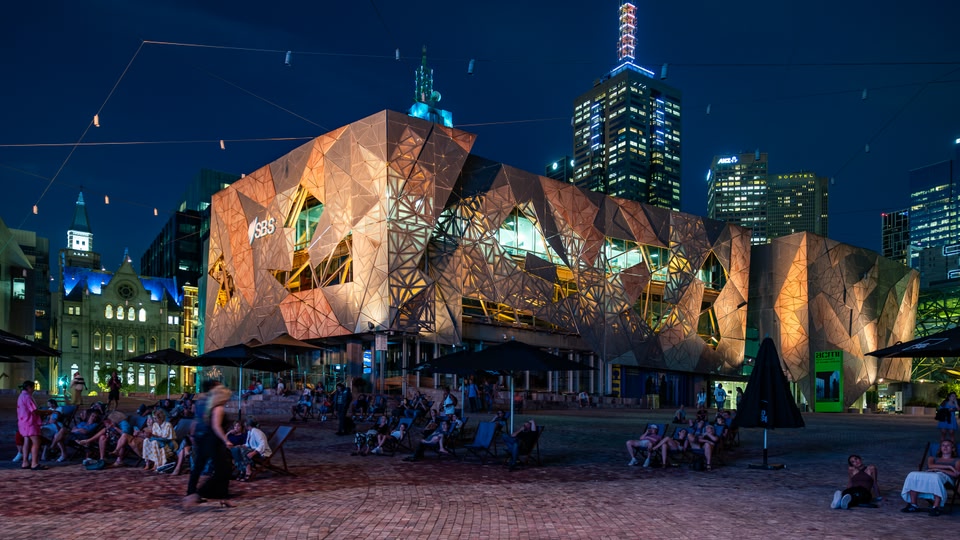
Melbourne is the artistic centre of Australia. Explore international collections at the National Gallery of Victoria (NGV) and be inspired by the sculptures at the Heide Museum of Modern Art. The creative scene can be a part of a budget trip to Melbourne. It doesn’t cost a cent to take photos in street-art alleys, like Hosier Lane, and support artist-run galleries in Federation Square.
Melbourne: Know before you go
| Language | English |
|---|---|
| Currency | Australian dollar ($) |
| Time zone | UTC+10 (AEST) and UTC+11 (AEDT) |
| High season | December - January |
| Low season | June - August |
Find the best time to go to Melbourne
Weather in Melbourne
March – May: March is warm and summery, but things cool down once autumn arrives. The good news is you’ll have plenty of blue-sky days.
June – August: Winter mornings and evenings are crisp in Melbourne. Pack warm, windproof layers, as the winds can catch you off guard.
September – November: Spring days are brightened by blooming flowers, including the fragrant ornamental pear. Expect some rain in October and November.
December – February: Summers are warm, dry and often partial to heatwaves. But the city is known for having four seasons in one day, so pack some light layers and a raincoat.
Events in Melbourne
Laneway Festival (January or February): What started in Melbourne as a tiny laneway gig is now one of the country’s hottest music festivals. Choose from a star-studded lineup of global talent in rock, electronic, indie and hip-hop.
Melbourne Food & Wine Festival (March): Dozens of events take over the city to celebrate Melbourne’s fantastic food and drink scene. Dine at celebrity chef pop-ups, attend sommelier-guided tastings and feast on street food.
AFL Grand Final (September): Maybe the most important day on the calendar for locals is the last Saturday of September when two teams battle it out for the AFL (Australian Football League) premiership. The atmosphere at the Melbourne Cricket Ground and across every pub in town is electric.
The best neighbourhoods in Melbourne
Melbourne CBD
The Central Business District (or CBD) is where to stay in Melbourne for convenience. You’ll be close to the National Gallery of Victoria, Melbourne Museum and the riverside restaurants of Southbank. Tours in the CBD cover anything from street art to the haunts of infamous gangsters and the best places to buy chocolate.
Good for: Shopping, convenience, street art
Fitzroy
Just a short tram ride from the CBD, Fitzroy is the place to find vintage clothes on Brunswick Street and local creatives at the Rose Street Artists’ Market on weekends. This is one of the best areas to stay in Melbourne for dining. Sample everything from fried chicken at Belles Hot Chicken to sophisticated dishes at Cutler & Co.
Good for: Restaurants, vintage clothing, local art
St Kilda
The best neighbourhood to stay in Melbourne for the beach, St Kilda has much more to offer than surf and sand. Ride the roller coaster at Luna Park, relax at casual beach bars and enjoy a stand-up act or concert at the historic Palais Theatre. Acland Street is a must-visit, but go on an empty stomach because this shopping strip is famous for its bakeries. If you’re overwhelmed by the choices, try the chocolate Kooglhoupf at Monarch Cakes.
Good for: Beach, nightlife, family activities
Things to do in Melbourne
Family friendly things to do
The Melbourne Zoo heads the list of things to do with family in Melbourne. Meet lowland gorillas and Asian elephants. Then plunge into the world of stingrays and sea turtles at SEA LIFE Melbourne Aquarium. Inspire little athletes in the family with a visit to the Australian Sports Museum inside the MCG. Spark the interest of curious kids with the interactive exhibits at Scienceworks.
Shopping
The Queen Victoria Market is the headline attraction for shopping in Melbourne. Move beyond this massive outdoor market to find galleries and craft shops in Federation Square. Discover original fashion in Emporium Melbourne and hunt for souvenirs at the Bourke Street Mall. If you are a thrifty shopper, join locals looking for bargains at Spencer Outlet Centre.
Beaches
Reach the beaches in Melbourne by train or rental car. Most of the best spots are within a 30-minute drive of the CBD. At St Kilda, enjoy sand, surf and amusement park rides. There’s plenty of room to spread out and have a picnic on the wide, sandy shore at Williamstown Beach. For great photo ops, head to Brighton Beach, famous for its colourful bathing boxes.
Nightlife
Experience Australia's 24-hour city through the nightlife in Melbourne. Sip cocktails with trendsetters in Fitzroy or the CBD and find a new favourite band at the concert venues in St. Kilda. Clubs like Revolver Upstairs and Brown Alley are open late. Choose spots like Angel Music Bar if you prefer to relax with jazz in the background.
Places to eat
Restaurants in Melbourne serve everything from creative contemporary cuisine to street food. Brunswick Street is great for international favourites like Vietnamese ‘banh mi’, while Lygon Street is the city’s Little Italy. Start the day experiencing Melbourne’s famous coffee scene in Federation Square or Fitzroy. For a special night out, Collins Street has fantastic fine dining venues such as Society and Reine, set in the former Stock Exchange building.
Free things to do
Avoid admission fees at highlight attractions like the Royal Botanic Gardens and the free collections at NGV International. Other free things to do in Melbourne include exploring the worlds of film and video games in ACMI (free except for special film screenings). The Motley Bauhaus hosts free jazz concerts on Saturdays, and street performers take the stage on the Bourke Street Mall almost every day.
Get ready for Melbourne
Budget
It’s possible to explore Melbourne with great food on a budget and free gallery visits. The city is a hub of affordable eats. You can usually find an inexpensive sit-down meal for around 25 Australian dollars ($). Look out for weeknight pub meals, incredible Vietnamese, Thai and Lebanese restaurants, and bakeries. A short taxi ride will cost you around $11.
Day trips from Melbourne
For animal lovers, a day trip to Phillip Island is a must. You’ll have front-row seats to the sunset penguin parade, the largest fur seal colony in Australia and glimpses of short-tailed shearwaters migrating from Alaska. To visit some of the country’s best wineries, join a tour or hire a car to explore nearby Mornington Peninsula, Yarra Valley, Geelong and Macedon Ranges.
Getting around Melbourne
Trains, trams and buses cover the entire metro area, but you can travel by tram for free within the CBD. Pay for fares using the Myki card, sold at convenience stores and train stations. Public Transport Victoria offers an app for planning trips and topping up Myki cards. Consider a hire car if you want to travel beyond the Melbourne metro.


