Your guide to Oslo
Oslo highlights
Discover Viking history
You can’t go on a city break to Oslo without exploring its Viking history. The city was founded at the end of the Viking period and is home to three of the best-preserved Viking ships in the world. Discover what life was like in this part of the world a thousand years ago at The Viking Planet, an immersive digital experience.
Island hopping
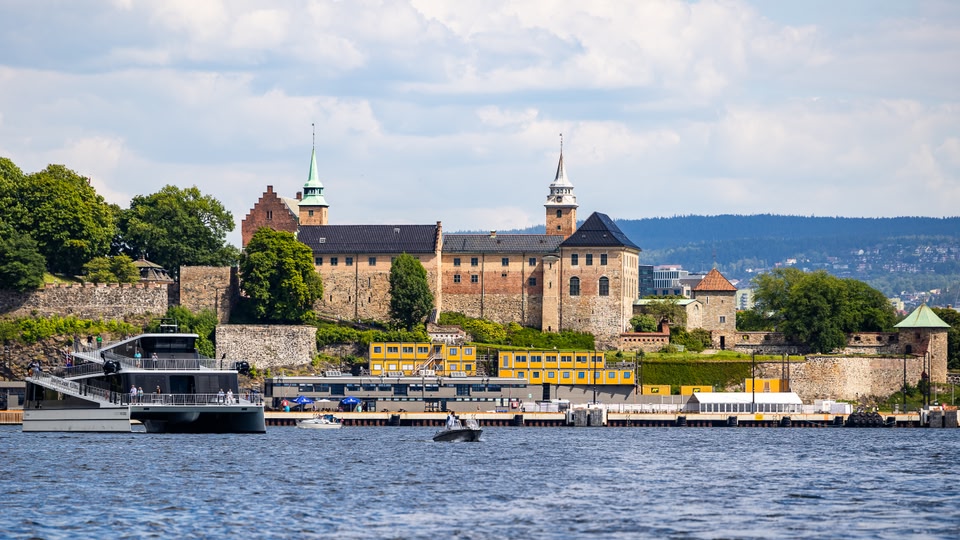
For an exciting and cheap activity during your stay in Oslo, go island hopping. Start your day by catching a ferry near the Aker Brygge wharf. Explore ancient Cistercian Order monastery ruins, dating from 1147, on Hovedoya, or visit Heggholmen to see its old lighthouse. Take time out on beaches and admire the colourful summer cabins on the island of Lindoya.
Norwegian delicacies
Love seafood? Indulge in freshly caught king crab and Atlantic cod. The latter is in season from January to April, so if fish is your thing, time your weekend break to Oslo during those months. Meat eaters aren’t ignored: traditional game meats like moose and reindeer are big in Oslo. And everyone should try a sliver of ‘brunost’, a traditional brown cheese with surprising sweetness.
Oslo: Know before you go
| Language | Norwegian |
|---|---|
| Currency | Norwegian krone (kr) |
| Time zone | UTC+1 (CET) and UTC+2 (CEST) |
| High season | June - August |
| Low season | January - February |
Find the best time to go to Oslo
Weather in Oslo
March – May: Spring in Oslo can quickly turn from sunshine to surprise snow showers. Keep your eyes peeled for tulips and daffodils come April.
June – August: Summer temperatures average a mild 18°C. Kick back on urban beaches, then enjoy nighttime concerts on the Opera House roof. Pack an umbrella, just in case.
September – November: The autumn foliage is gorgeous here, but daytime temperatures lean towards chilly. And the winds can pick up in the afternoon.
December – February: Winter temperatures often dip below freezing. Make the most of the snow on the ‘Korketrekkeren’ (The Corkscrew) toboggan trail.
Events in Oslo
Holmenkollen Ski Festival (March): Norwegians have cheered on snow sports heroes here since 1892. For an authentic experience, spark a campfire alongside the cross-country ski track.
National Day (May): Brass bands pound the streets in honour of Norway’s independence. Enjoy a breakfast feast, grab your flag and wave to the royals on their palace balcony.
Midsummer (June): At the Norwegian Folk Museum, ride in a horse and carriage, weave your own flower crown and try the traditional ‘lefse’ bread.
Oslo Sauna Festival (November): Smoke saunas were first introduced by the Vikings. For a one-of-a-kind experience, head to SALT cultural arena for guided meditation, DJ sets and karaoke while you sweat.
The best neighbourhoods in Oslo
Sentrum
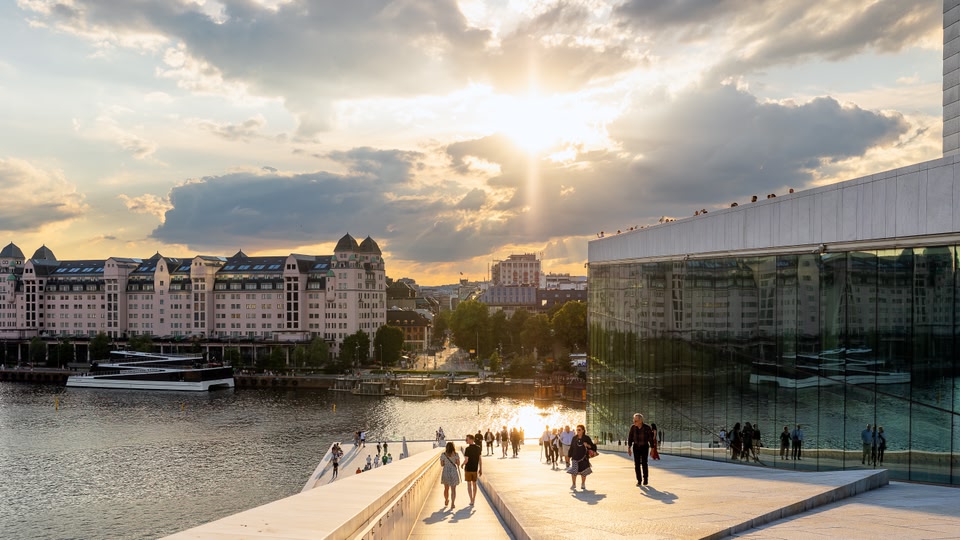
If you want to be in the heart of the city, then Sentrum is where to stay in Oslo. This the perfect base for exploring, with landmarks such as the historic Royal Palace, Karl Johans Gate and the Norwegian Parliament all within walking distance of each other. Plus, you’ll be close to the harbour and have a good selection of bars and eateries to choose from.
Good for: Landmarks, walking, waterfront

Frogner
Frogner is the best neighbourhood to stay in if you love green spaces, art galleries and top-notch restaurants. It boasts the largest green space in Oslo, Frogner Park, and the popular free Vigeland Sculpture Park with more than 200 sculptures. Browse art galleries and antiques shops, or drink coffee in cosy cafes as you watch the world go by.
Good for: Green spaces, art galleries, restaurants
Grünerløkka
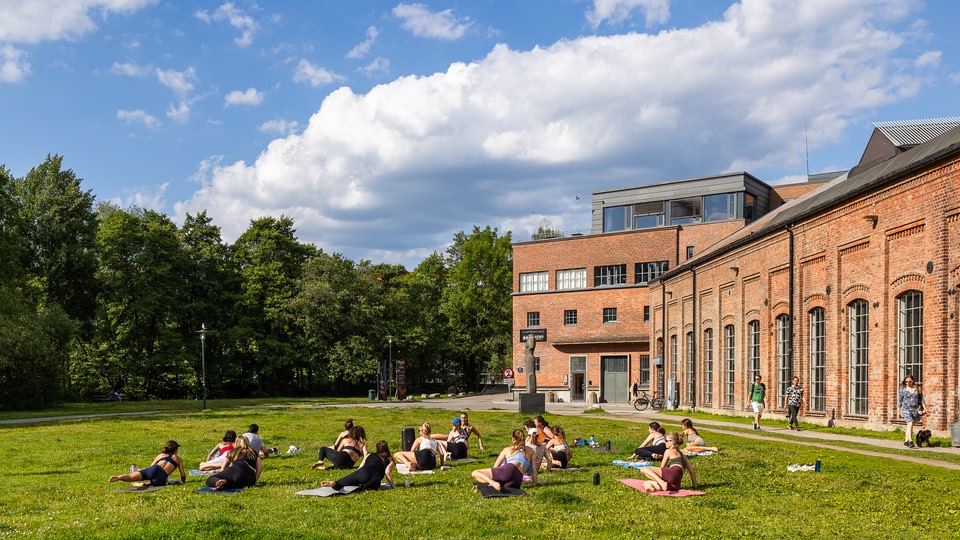
‘Lokka’, as the locals call it, is the best area to stay in Oslo for a laid-back bohemian vibe. Think less touristy and more ‘real life’, with a great mix of shops, bars and cafes. Admire the decorative street art while deciding which restaurant to try next. Or, stroll the banks of the Akerselva river where you’ll spot waterfalls and remnants of industrial history.
Good for: Culture, restaurants, nightlife, street art

Things to do in Oslo
Family friendly things to do
There are plenty of things to do with family in Oslo, however young or old. Winter sports fans will love the Holmenkollen Ski Museum and the panoramic views from the top of the ski jump hill. With simulator technology you can safely experience the thrill of the jump. For adventure and fun visit TusenFryd, the largest amusement park in Norway.
Shopping
Shopping in Oslo runs the gamut from multi-level malls and chain stores to edgy boutiques displaying one-off creations. Explore side streets for vintage shops, handmade craft stores and antique curiosities. Head to iconic department store GlasMagasinet in Stortorvet square for fashion and Scandinavian-designed home items. Steen & Strom is the place to go to splash out on international luxury brands.
Take in the culture
Museums in Oslo cater to all tastes. See iconic paintings such as ‘The Scream’ by Edvard Munch at the MUNCH art museum, learn about the historic Akershus Fortress or get interactive at the Norwegian Museum of Science and Technology. For a sobering experience, visit the Norwegian Center for Holocaust and Minority Studies for a modern exhibition on genocide.
Nightlife
When the sun goes down, it’s time to experience the nightlife in Oslo. Bla, on the banks of the river Akerselva, has regular DJ, jazz and hip-hop nights. Kafe Haerverk buzzes with experimental and independent music. If rum’s your tipple of choice, don’t miss Aku-Aku, a tiki bar with the largest rum collection in Norway.
Places to eat
Restaurants in Oslo are plentiful in number and variety. For a special dining experience, book a table well in advance for Michelin-starred Maaemo, where only Norwegian ingredients are used. Traditional Nordic cuisine and city views are on the menu at BAR Vulkan’s rooftop terrace while the freshest seafood is never hard to find at harbour restaurants.
Free things to do
One of the most unusual free things to do in Oslo is walking on the marble roof of the Opera House. It’s a must-do for incredible views. Head to the Botanical Garden to soothe your senses in ‘Oldemors hage’, the sensory garden. Like a long walk? Pack your trainers and amble along the Harbour Promenade.
Get ready for Oslo
Budget
For an inexpensive stay in Oslo, take advantage of its lofty peaks and picturesque islands. Fuel up with a cappuccino for about 50 Norwegian kroner (kr). A meal at an inexpensive restaurant will cost around kr250. Cut costs with street food superstars like the Norwegian waffle. A beer costs around kr111, and a short taxi ride is around kr80.
Day trips from Oslo
The charming coastal city of Drøbak — the supposed hometown of Father Christmas — is just an hour away by bus. Whatever the season, buy a bauble for your tree before enjoying some harbourside seafood. Roughly an hour west, Kongsberg is a time capsule of Norway’s silver mining heritage. Learn how the miners lived by travelling deep underground at the Kongsberg Silver Mines.
Getting around Oslo
Oslo’s city centre is compact and easy to explore on foot. But to reach other areas of the city, you’ll need to use public transport. The Oslo Pass gives you unlimited travel on trams, subways, buses and public ferries. It also offers free admission to select museums. Check out the city’s bike-share services if you’re in the mood to exert some pedal power.


