
Planning to travel with your pet? We've got everything you need from the legal and logistical bits to handy insider tips, so you can take off with total peace of mind.
Are pets allowed in the cabin — yes or no?
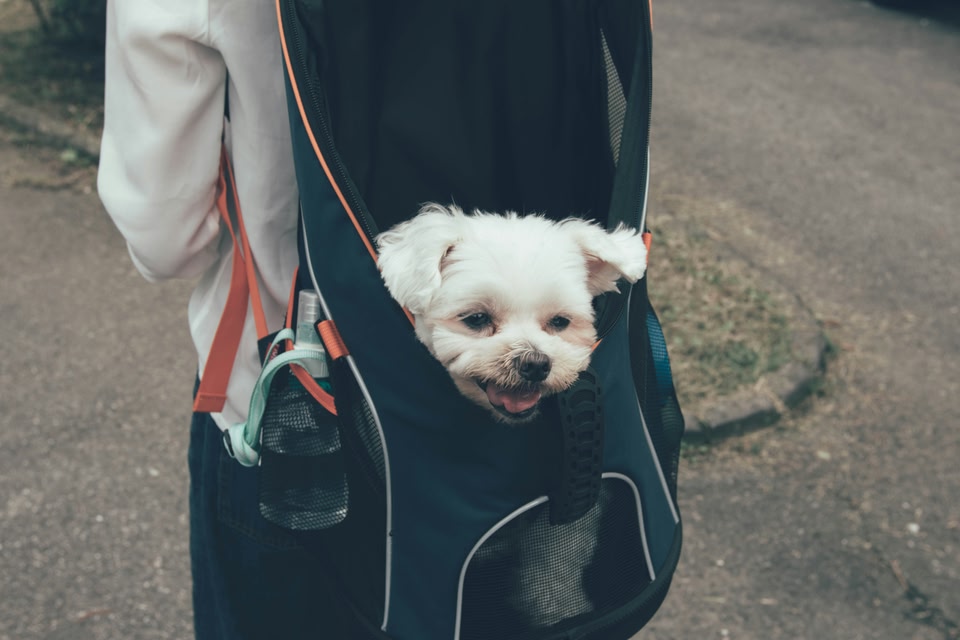
Big news for pet parents! Back in 2021, the Civil Aviation Safety Authority (CASA) overturned the longstanding rule forbidding pets from travelling in Australian airline cabins — with the final call left to each individual airline.
And in October 2025, Virgin Australia made history by launching Australia's very first Pets in Cabin service on select domestic routes. Following strong demand, Virgin Australia has confirmed its intention to continue offering the service on eligible domestic flights on an ongoing basis, with plans to expand to routes.
There are a few things to keep in mind: pets must weigh under eight kilograms including the carrier, and only four furry passengers are permitted per flight. Carriers must fit under the seat in front for the entire journey. Qantas continues to permit service dogs only.
So while pets in the cabin are now a reality in Australia, it's still very much Virgin Australia leading the charge.
What do I need to do to fly with my pet?
Every airline has its own rules when it comes to travelling with a pet, so the first step is checking the pet policy of whichever airline you're flying with (we've listed the domestic rules below).
The booking process has changed quite a bit in recent years. For Virgin Australia's Pets in Cabin service, bookings can only be made through Virgin's Guest Contact Centre by phone or by email, or through a trusted pet transport partner. For pets travelling as cargo with Qantas or Virgin, you'll need to book through the airline's freight division and drop your pet off at the cargo terminal.
If the logistics feel overwhelming, a commercial pet transport company is well worth considering. They handle everything from pick-up and drop-off to documentation and bookings, taking the stress off your plate entirely.
Who will let me fly with a pet in Australia?
Here's a quick rundown of where the major Australian airlines stand on flying with pets.
Virgin Australia
Virgin Australia is leading the charge as Australia's first and only airline to allow pets in the cabin. Small dogs and cats are welcome on eligible domestic flights, provided the combined weight of the pet and carrier doesn't exceed 8kg and the carrier fits under the seat in front. Currently operating on routes between Melbourne–Gold Coast and Melbourne–Sunshine Coast, with expansion, pending airport approvals. For pets that don't meet the cabin criteria, Virgin also offers cargo transport on domestic routes.
Read more about Virgin Australia's pet policy
Qantas
Qantas continues to transport pets as cargo only, with no in-cabin option (aside from approved service dogs). Accepted animals include dogs, cats, rabbits, guinea pigs, domestic fish with no aeration requirements, and domestic birds that don't need a travel permit. Bookings can be made online through Qantas Freight, with instant confirmation available up to 100 days before departure. Snub-nosed breeds must be booked through an approved pet travel specialist.
Read more about Qantas' pet policy
Does Jetstar allow you to travel with a pet?
Qantas Freight does not accept pet bookings on any Jetstar services. If you're flying Jetstar, you'll need to make separate arrangements for your furry mate.
Crate expectations
Selecting the right crate for your furry companion is vital – for them, it can feel like the difference between being squished in a budget seat or relaxing in business class. As well as your pet’s comfort, you also have to account for the International Air Transport Association’s (IATA) rules and regulations.
What crate do I need for flying with my pet?
Both Qantas and Virgin have loads of information about the specific sizes and materials that your pet’s crate must adhere to, but here is a basic run-down so you can get the general idea:
Your pet must be able to stand with their head up unrestricted by the container (no crouching)
Your pet must be able to rotate freely within the container
Read more about Qantas and Virgin pet crate requirements.
Must-haves for your pet’s container include:
Good ventilation
A water bowl or receptacle able to be affixed to the container
Escape-proof hinges and latches that are locked prior to travel
A strong and sturdy build with no intense wear-and-tear (we don’t want any Houdini moments)
Wood or polypropylene construction
An absorbent lining so no water (or excrement) can escape
Familiarise your pet with their crate
If your pet isn’t used to smaller spaces or wasn’t crate trained when they were young, it’s important to make sure they are familiar with their new travel digs. Encourage them to spend time in their crate, including sleeping. A handy training tip is to pop their food bowl into their crate at mealtimes – then they will associate the carrier with something positive.

Are there any pets that I cannot fly with?
While most pets can be transported on planes, there are some rules and regulations around certain breeds you should be aware of.
Banned dog breeds
There is a short list of dog breeds that are flat-out forbidden from air travel in Australia. Whether you were planning on importing one from overseas or you already have one of these breeds as your companion, you’ll find that major airlines won’t accept them.
Fila Brasilerio
Japanese Tosa
Dogo Argentino
American Pit Bull and other Pit Bull Breeds
Perro de Presa Canario
Other strong dog breeds may require special non-plastic crates for travel. For example, Qantas singles out the American Staffordshire Terrier as a risky breed, so you would need to ensure you had a sturdy crate to keep them safe – the CR-82 crate or an airline approved guard dog cage will do the trick.
Snub-nosed (brachycephalic) breeds
Pugs, Frenchies, Persians, Himalayans – we do seem to love our little flat-faced mates! Due to their unique features, these particular breeds are held to a different standard during air travel. Snub-nosed cats and dogs are more prone to breathing difficulties and heat stress, so extra precautions must be taken.
Some overseas airlines outright forbid brachycephalic breeds from flying in the hold, but both Virgin Australia and Qantas will allow it (with special conditions in place). On both of these major airlines, your flat-faced friend can only be booked to fly through an approved pet transport company. These organisations know the rules and regulations inside-out, so it reduces the potential for slip-ups when it comes to things like early morning and evening flight restrictions or larger crate requirements.
Are there any restrictions travelling with old or young pets?
For health and safety reasons, there are age cut-offs for travelling with cats and dogs. Qantas will not fly puppies or kittens under the age of 12 weeks, mostly due to the risk of dehydration. Virgin Australia’s age cut-off is 8 weeks, with puppies and kittens between 8 and 12 weeks requiring a vet certificate. Got a senior animal you want to fly somewhere? A green light in the form of a vet health certificate is usually required for pets over 12 years old.
What can I do to make the flight comfortable for my pet?
Flying can be stressful for anyone, let alone an animal with whom you can’t properly communicate. Here are some tips to make sure your pet will be prepped and comfy on their voyage.
Hydration station: On the day prior to and the day of your pet’s flight, keep their hydration levels top of mind. Dehydration is the number-one risk for animals travelling on planes, and they will generally feel more comfortable and relaxed if they are adequately hydrated.
Feeding time: Feed your pet no later than six hours before the flight, making sure to keep the meal on the lighter side. Pets can get queasy when travelling on a full tummy.
Walkies: If travelling with a dog or active animal, take them for a long walk and make sure they’ve had some decent exercise before leaving for the airport. If they’re all tuckered out, it will also help them to relax on the plane.
Let it out: The pre-journey toilet stop isn’t just for humans! Make sure your pet has had a chance to relieve themselves before dropping them off at check-in.
Contact details: Keep your pet’s documents on hand and most importantly, have the Air Way Bill number ready to go when dropping off and collecting your pet. Clearly label the crate with your pet’s name, your contact details and your destination. It’s also wise to attach copies of your pet’s documents to the crate for easy identification.

Can I travel on airlines in Australia with lizards or birds?
If your travel companion is a little more exotic than a dog or cat, Qantas is your best bet. Among the major Australian carriers, they're the only one with dedicated systems for transporting less conventional animals.
Animals not classed as standard pets include reptiles, crocodiles, race horses, zoo creatures, racing pigeons, mice, day-old chicks, live coral and rocks, marine animals for aquariums and research purposes, and racing greyhounds. These all fall under Qantas Freight's special movements service, which comes with specialist handling procedures and stricter requirements to keep things running smoothly.
Worth noting: large reptiles over 5kg are classified as special movements, while smaller reptiles may be accepted under different conditions. Any animal or bird requiring a permit to travel — whether classed as a pet or not — will also be transported under special movement conditions of carriage for both domestic and international flights.
If you're unsure which category your animal falls into, it's best to contact Qantas Freight directly or work with a licensed pet travel specialist before booking.
Always check the latest rules and restrictions around pet travel before booking your flight
It’s only natural to want to take your pets with you when you travel – after all, they are part of the family. As you now know, it’s entirely possible to travel via air with your pets, but a lot of preparation and planning is required. With rules and regulations changing as often as a cat’s mood, it’s vital that you check specific rules with your intended airline of choice before you even entertain the idea of hopping on a plane with your pet.
While central regulating bodies like CASA make the blanket regulations, each company enforces them in their own way. Do your research on breed restrictions, weight restrictions, crate requirements and any additional bits that pop up.
FAQs about travelling with pets in Australia
Before you pack the lead and the travel bowl, browse The Pawprint Guide for everything you need to know about travelling with your furry mate, or if you're keeping it local, find the best dog beaches in Australia for a trip they'll never forget.
Ready to fly with your pet? Skyscanner can help you find the right flights, accommodation and car hire for your journey.


