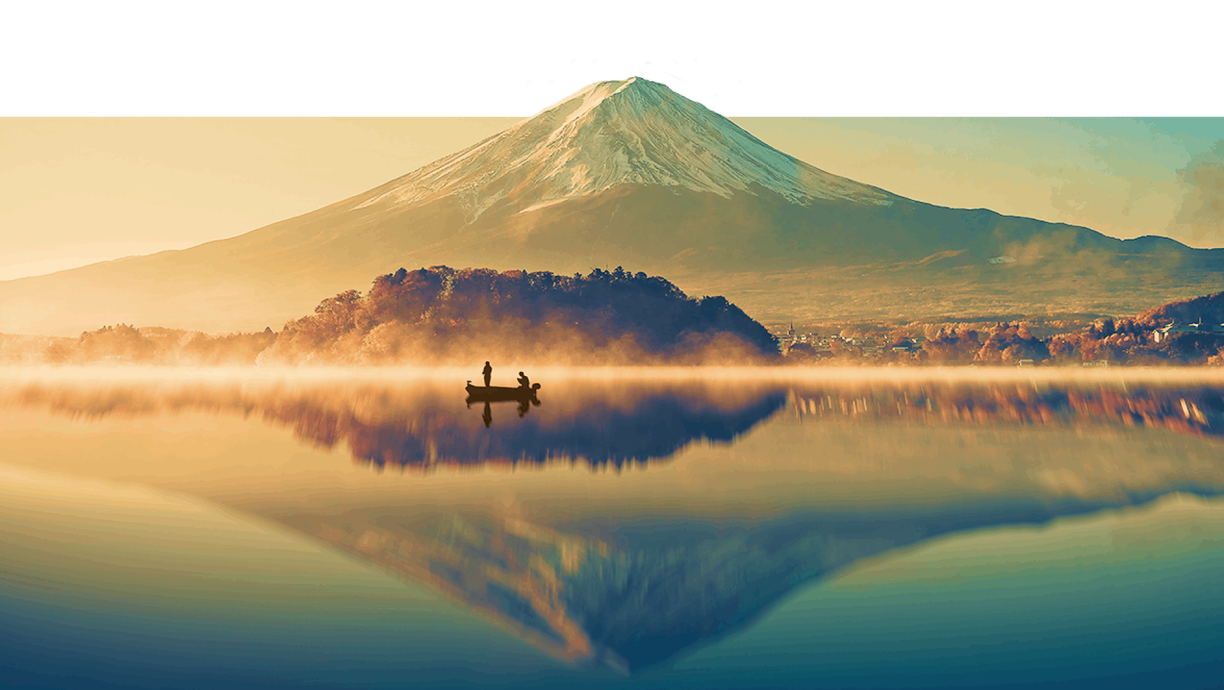
What. A. View! Mount Fuji is an iconic landmark and seeing it or hiking it is a once-in-a-lifetime experience.
Standing 3,776 metres tall, Mount Fuji rises to a snow-capped peak and is ringed by lakes. Time your visit well and you'll catch the cherry blossoms too. Whether you're planning to climb to the summit or simply soak up the spiritual calm of the Japanese countryside, we've got you covered. Our Tokyo to Mount Fuji guide has everything you need to start planning – how to get there, where to stay, where to eat and what to do.
How to get from Tokyo to Mount Fuji
There are many convenient ways to get to Mount Fuji from Tokyo.
Bullet train
Board the bullet train (Tokaido Shinkansen) at Tokyo Station for the trip to Mishima – the faster Hikari services get you there in under an hour. From Mishima you can catch the Mishima–Kawaguchiko Liner bus, which runs roughly every two hours and takes about 90 minutes.
Direct buses during the climbing season
Hop on a direct bus from the Shinjuku Expressway Bus Terminal to the Fuji Subaru Line 5th Station – the starting point of the Yoshida Trail. The trip takes about two and a half hours and you'll need to book ahead.
Year-round direct buses
Jump on at Shinjuku Expressway Bus Terminal for the two-hour journey to Kawaguchiko. From there, change onto a bus up to the Fuji Subaru Line 5th Station, which takes around an hour. These run most of the year but depend on the weather, so check the schedule before you go.
Fuji Excursion Limited Express train
The quickest direct journey from Tokyo (Shinjuku) to Kawaguchiko, taking around two hours with no transfers. Seats are reserved, so book in advance – especially in peak seasons like cherry blossom and autumn, when trains sell out fast. A handful of services run each morning, with extra trains added on weekends, holidays and busy periods. Check the current timetable on the Fujikyu Railway website before you travel.
Driving
You can hire a car or book a private driver. The latter is a better option if you’re not confident tackling the streets of Tokyo by yourself. The journey will take you around two hours – leave extra time if you need to tackle central Tokyo.
Helicopter
If your budget isn’t a consideration, a helicopter tour can take you from Tokyo to Mount Fuji and back in a few hours, though the weight of your wallet will be considerably lighter on return.
During much of the climbing season, private vehicles can't use the access road to the Fuji Subaru Line 5th Station – you'll need to park and catch a shuttle bus for the final leg. And after a Fuji climb, your legs won't thank you for a long drive home. Skip the car and take public transport instead.

The best Mount Fuji viewing locations in Tokyo
You can’t miss Mount Fuji – not on a clear day. It dominates the skyline from every angle, but to truly take the best photos, clamber up to:
Chureito Pagoda
Part of the Arakurayama Sengen Shrine in Fujiyoshida City, Yamanashi Prefecture, it’s one of the most popular spots to view the mountain. Think pictures of the mountain in the background with the five storied red pagoda taking pride of place too. Visit during cherry blossom season and you’ll never want to leave. Although the crowds might ruin your tranquil vibe.
Fuji 5th Station
The start of the Yoshida trail, head here even if you’re not testing yourself up the mountain. You’ll have views of Mount Fuji on one side and the five lakes on the other.
Mount Kachi Kachi Ropeway
Located next to Lake Kawaguchiko, this cable car runs to the summit of Mount Tenjo. Expect stunning views of Mount Fuji from all angles.


The Day Post General Glamping
Glamping with a view
Set in a quiet lakeside forest, this upmarket campground offers stylish dome tents kitted out with air conditioning, comfy beds and private decks – all the fun of camping without the hassle. With magnificent Fuji views and plenty of space for kids to roam, it's ideal for a family trip or a weekend escape.

Yamanaka-Lake Log House
House for groups and families

Where to eat near Mount Fuji
Take a load off and load up with delicious Japanese morsels. We love:
Fuji Tempura Idaten: fresh tempura made with seasonal ingredients is on the menu – think shrimp, vegetables, squid, and steak.
Fujisan Pancake: check out this pancake spot in Kawaguchiko town. The pancakes are made in kilns crafted from lava from Mount Fuji. Cooked quickly at hot temperatures, they are fluffy and delightful.
Sanrokuen: located in Fujikawaguchiko-machi in a building that’s 150 years old. It’s time for a barbie. Show off your skills at one of the restaurant’s sunken BBQ pits. You’ll cook your own food, which you buy from the restaurant. That’s if you’re not too tired after summiting. But you know, who’s ever too tired for a barbie?
Chianti Como: load up on carbs in this traditional Italian restaurant in Yamanakako-mura. It’s homely and the pizza is great.
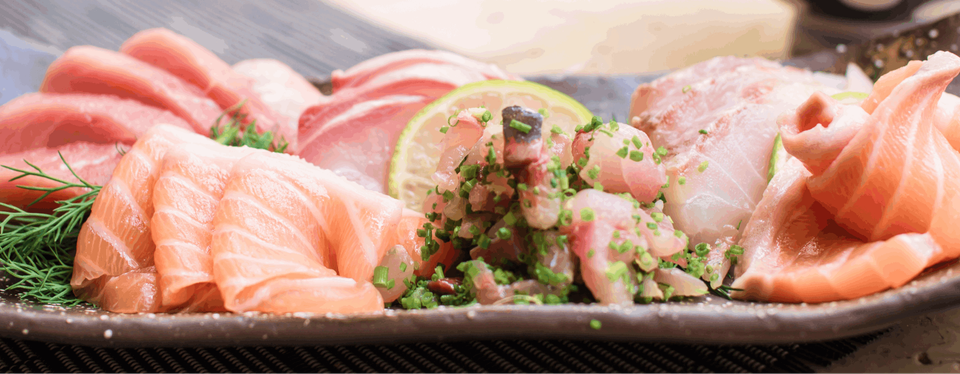
Shaw’s Sushi Bar & Dining: just across the road from Kawaguchiko Station, it’s the best sushi in Mount Fuji. It’s beautifully presented too.
The best things to do near Mount Fuji
There are more things to do than just exploring Mount Fuji when you leave Tokyo for the mountain. There is a wealth of activates, walks and scenic beauty spots dotted around the foot of the mountain. While exploring Mount Fuji don’t forget to check out some other activates in the area.
1. Climbing
The most obvious thing to do in Mount Fuji is to climb it. Various trails will get you to the top, with the most popular being the Yoshida trail – beginning at the Fuji Subaru Line 5th Station.
Trails: Yoshida (Yellow), Subashiri (Red), Gotemba (Green), Fujinomiya (Blue)
1-way climb time: 4-8 hours
Season: July – September
2. Five Lakes
Ideal for hiking, fishing, camping, museums, and more. The five lakes are picture-perfect in their own right – what a picture with the mountain in the background too. Each of the five lakes – Lake Kawaguchiko, Yamanakako, Lake Saiko, Lake Motosuko, and Lake Shoji – can be visited year-round and each have different views of Mount Fuji.
3. Fuji Q Highland
Yes, a trip here isn’t just about serene walks and mountain scenery. Peaks can be scaled at Fuji Q Highland too – one of the most popular amusement parks in Japan. Test your mettle on the Fujiyama. At 79 metres tall it was once the tallest rollercoaster in the world.
4. Narusawa Ice Cave
Located in the Aokigahara Forest, there are ice pillars and an ice wall in this 153 metre cave. You can also go year-round.
5. Skiing
Clip on your skis or hop on your snowboard. You’ll find many ski resorts around Mount Fuji – you can hit them up on a day trip from Tokyo.
6. Fujiyoshida Sengen Shrine
Surrounded by nature, this Shinto Shrine is quiet, peaceful, and beautiful. Take a minute alone with your thoughts.
Other things to do: Other options available to you near Mount Fuji include whiling away the hours shopping at Gotemba Premium Outlets and a visit to Fuji Safari Park.
What to pack for your trip
Mt. Fuji is a serious climb. You’ll need:
Sturdy climbing shoes: broken-in and waterproof.
Rain jacket and pants: water and wind resistant with hood. Go for Gore-Tex if you have it.
Light backpack.
Socks and base layer: quick wicking fabrics are ideal.
Gloves: to keep your hands warm at nights and provide protection.
Light: head lamp or a hand flashlight – you may need to climb in the dark in-season.
Trekking poles: you’ll have essential stability in the mountain side. Your knees will thank you for it, too.
Warm clothes and a lightweight fleece.
Now you’ve scaled Mt. Fuji, it’s time to head back to Tokyo. Check out what to do in 48 hours, where to get the unique experience of a Tokyo fish market, and how to get around.
FAQs about exploring Mount Fuji from Tokyo
Thinking of travelling to Tokyo? Skyscanner can help you find the best flights, hotels and car hire deals for your next trip.


