
Planes, trains and automobiles, not to mention the buses, Tokyo ticks all the boxes when it comes to transport.
In fact, it's one of the best connected cities in the world, and while those packed commuter trains can look daunting, Tokyo is easy to get around with a little know-how.
Here we'll walk you through the subway, trains, taxis and buses. Before you know it, you'll be hopping on and off the Yamanote line like a pro, tapping your Pasmo card like a local and practising your best Japanese with the taxi drivers.
Let's get moving.
Pasmo and Suica cards
Yes, you can buy single tickets on all of Tokyo's public transport. But the easiest way to pay for your journeys is with a pre-paid travel card – either a Pasmo or Suica card.
Each is issued by a different operator, but that doesn't matter for tourists. You can use them interchangeably on all train lines, subway lines and buses.
You can get one for as little as 1,000 yen, which includes a 500 yen deposit. You can pick one up at the stations at both Narita and Haneda airports.
One thing worth knowing for 2026: regular card sales were paused for a while during the global chip shortage, but the standard Suica is available again. If you'd rather skip the queue, iPhone users can add a mobile Suica to their Apple Wallet before they even land — happy to work that in if useful.
1. Subway
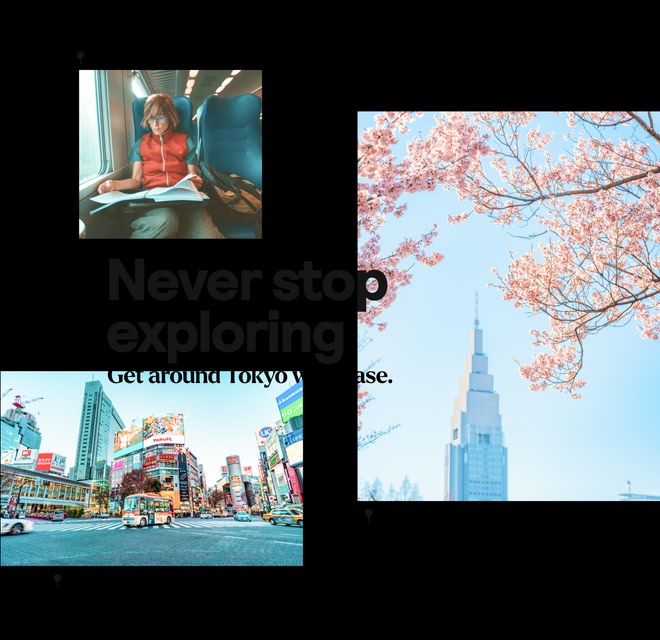
The subway promises speedy travel across Tokyo. There are 13 lines to get your head around – the map is simple once you get used to it as the lines are colour-coded.
Nine of the 13 lines are operated by Tokyo Metro and four by Toei. They're well intertwined and easy to navigate. The fare you pay depends on the distance travelled – you can pick up a common one-day ticket for unlimited travel on both networks.
Top tip: If you buy an individual ticket, it will only be valid on lines run by that operator. You’ll be ok with a common one-day ticket. A Pasmo or Suica card is a better option for seamless travel across both lines.
2. Trains
As well as the subway system, Tokyo has an extensive railway network. You'll find Japan Railways (JR) lines and commuter lines.
Look out for the JR Yamanote Line (山手線) – this is your best bet for scooting around the city. Also called the "JR Loop Line" or "Loop Line", it circles the Imperial Palace (the central point of Tokyo) and connects the city's major hubs. With stops at Tokyo Station, Shinagawa, Shinjuku, Ikebukuro and Ueno, it'll cover you for most of your trips across the city.
If you're in Shinjuku and travelling to Tokyo Station, look out for the JR Chuo Line (中央線) – it's a useful one for this journey.
For single trips, you can buy individual tickets (starting at 150 yen). You'll also be covered with a JR Pass or a Pasmo or Suica card.
Trains and subways tend to stop running between midnight and 5.00am. If you’re out late partying, take a taxi. It will be your best bet for those early morning trips to the fish market too.
3. Buses
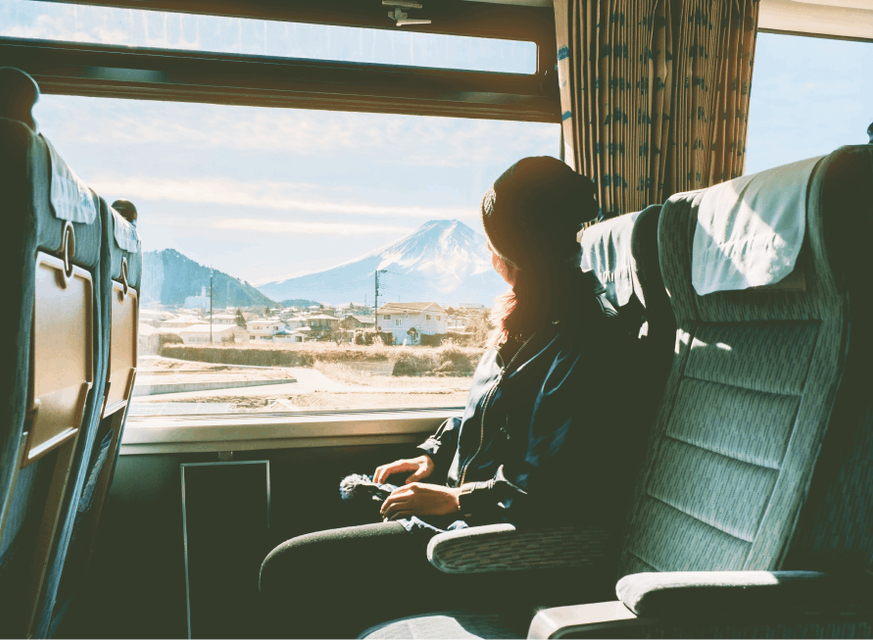
The bus network in Tokyo is extensive and smoothly run, but so is everything else – with such a good, easy-to-use subway and train system, you won't need the bus often if you're sticking to the city centre. Still, it's worth knowing how it works, because if you want to venture into the outer suburbs it can be a handy option.
Most buses in the city charge a flat fare of 210 yen for adults and 110 yen for kids. You pay into the machine at the front of the bus. Having exact change helps – some machines give change, others need the exact amount. Using your Pasmo or Suica card is the easiest way to pay. If you'd rather not, a one-day bus pass is available for around 500 yen for adults and 250 yen for children, giving you unlimited travel.
Just like buses at home, there'll be priority seats for the elderly, disabled and pregnant women. When you want to get off, just push the button and wait for the driver to stop.
Bus prices:
Single trip
Adults: ~$1.85, Children: ~$0.95Day pass
Adults: ~$4.40, Children: ~$2.20
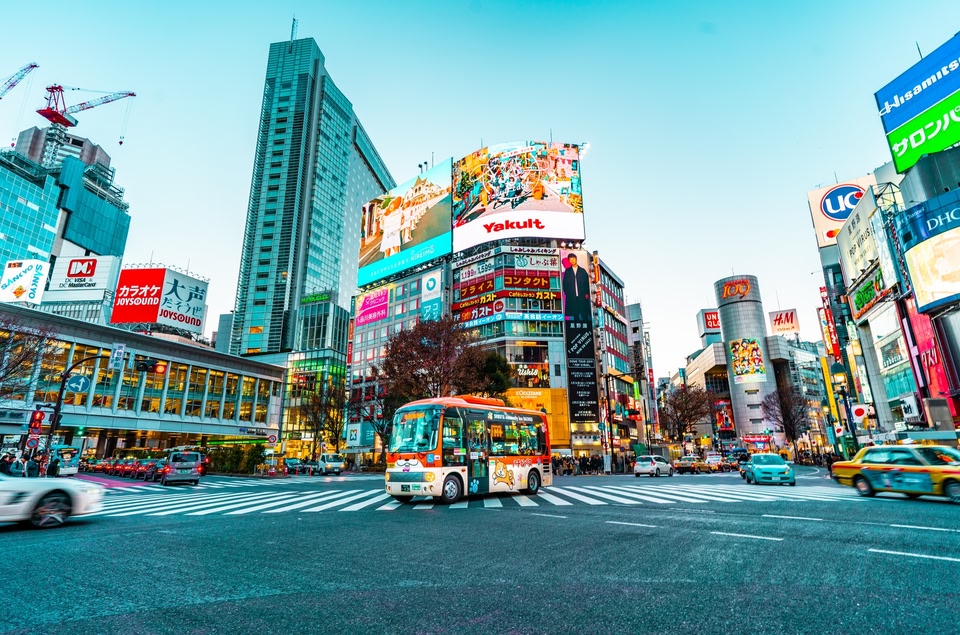
For short distances and late-night jaunts, hop in a taxi. Cabs in Tokyo run on a meter, with a starting fare of 500 yen for the first kilometre. After that, it ticks up 100 yen for every 232m travelled. The meter also climbs by 100 yen for roughly 90 seconds you spend crawling in traffic – which in Tokyo is often. And if you're travelling between 10pm and 5am, expect a 20% late-night surcharge on top.
You'll find taxi ranks outside train and bus stations, but they're easy to flag on the street too. Look for the light on the dashboard – if it's lit, the taxi is free. Hail it like you would in any major city and simply put your arm in the air. You'll get in on the left side, and often the driver will open the door for you. It's a good chance to practise your Japanese.
Whilst many taxi drivers speak good English, always have your destination address written down in Japanese. The driver will put it in the Satnav to avoid any confusion.
FAQs about the best ways to get around Tokyo
Now you know how to get around Tokyo thanks to our handy transport guide, discover where to experience a unique Tokyo fish market, how to get to Mount Fuji and which districts to visit to see the best of the city.
Thinking of travelling to Tokyo? Skyscanner can help you find the best flights, hotels and car hire deals for your next trip.


