Remote work has made it easier than ever to take your job on the road, and Mexico is one of the best places to do it.
Why work remotely in Mexico?
When you live in a destination, even temporarily, you have a chance to immerse yourself more than you would on a short visit. From massive cities with glittering cathedrals to ancient pyramids, quaint towns, stunning beaches and hypnotic deserts, there’s so much to see and do in Mexico. Swapping work time for travel time is incredibly enticing.
Moving to Mexico also gives Australians the chance to immerse themselves in a Spanish-speaking nation to really develop your language skills.
For many people, there’s also a financial incentive to work remotely. While the flexibility is incredible, you can stretch your earning power considerably by living in a country with a lower cost of living. With house (and rent) prices rising in Australia, along with food and petrol costs, it’s tempting to look elsewhere.
Accommodation, food and almost everything else is a lot more affordable in Mexico than it is in Australia. Working full-time, you’d be able to save considerably if you’re employer is in Australia. Alternatively, you could afford to work shorter hours and enjoy Mexican life.
And, of course, the food in Mexico is incredible. You won’t look at a ‘shopping centre chain ‘Mexican’ chain restaurant the same way when you come back.
Visa requirements for remote working in Mexico
Australian passport holders don't need a visa to visit Mexico. Depending on your passport type, you'll either be processed through e-gates at major airports or receive a visa on arrival — in both cases, you can stay for up to 180 days. Note that immigration officers now tend to grant days based on your stated length of stay rather than automatically issuing the full 180, so be prepared to indicate how long you plan to be there.
While in Mexico on a tourist entry, you can continue working for an overseas employer. You cannot, however, take up local employment or register as self-employed in Mexico.
To stay longer than 180 days, you'd need to apply for a temporary resident visa, which allows you to live in Mexico for up to four years. This requires proof of recurring income and sufficient funds. Visit the Mexican consulate website for current requirements and thresholds, as these are updated periodically.
It's also worth speaking to a financial advisor before you go. Working abroad can have implications for your Australian tax obligations and superannuation contributions.
The best places to work remotely in Mexico
While there's no shortage of incredible places to work remotely in Mexico, these five destiantions are a refreshing change from your home office.

Mexico City
In the heart of it all
The capital is the first stop for many visitors and a natural home base for digital nomads. It has everything you'd expect of a major global city — fast internet, co-working spaces, excellent public transport and a huge range of accommodation — at costs well below Sydney or Melbourne. La Condesa is a popular suburb for remote workers: tree-lined streets, art nouveau and art deco architecture, and no shortage of cafés with strong Wi-Fi. It has a social, international feel that makes it easy to meet people quickly.

Puerto Vallarta
Work right on the beach
On Mexico's Pacific coast, Puerto Vallarta is a relaxed, visitor-friendly city with beautiful beaches, excellent food and a well-developed tourism infrastructure. It's one of Mexico's most LGBTQ+-inclusive destinations, with dedicated hotels and a welcoming community — the Almar Resort is one of the better-known properties catering to LGBTQ+ couples. For a memorable meal, Pancho's Takos is frequently cited as one of the best in the city. Oceanside working doesn't get much better, though the sunsets may test your ability to stay focused after 5pm.

Guadalajara
A hub for culture and adventure
Mexico's second-largest city has a population of around 1.5 million — roughly comparable to Adelaide — and offers a strong blend of Mexican tradition and modern amenities. Co-working spaces and reliable Wi-Fi are easy to find, and the city is well connected for day trips: beaches, lakes and ancient pyramids are all within reach, which is a distinct advantage over Mexico City.

San Miguel de Allende
An ancient beauty
A UNESCO-listed colonial town with a slower pace and a large international community, San Miguel de Allende has long attracted creatives, retirees and long-term travellers. The variety of cafés, boutiques and galleries reflects that cosmopolitan mix, and the town's beauty makes it a pleasant place to spend an extended stretch.

Tulum
On trend to work with friends
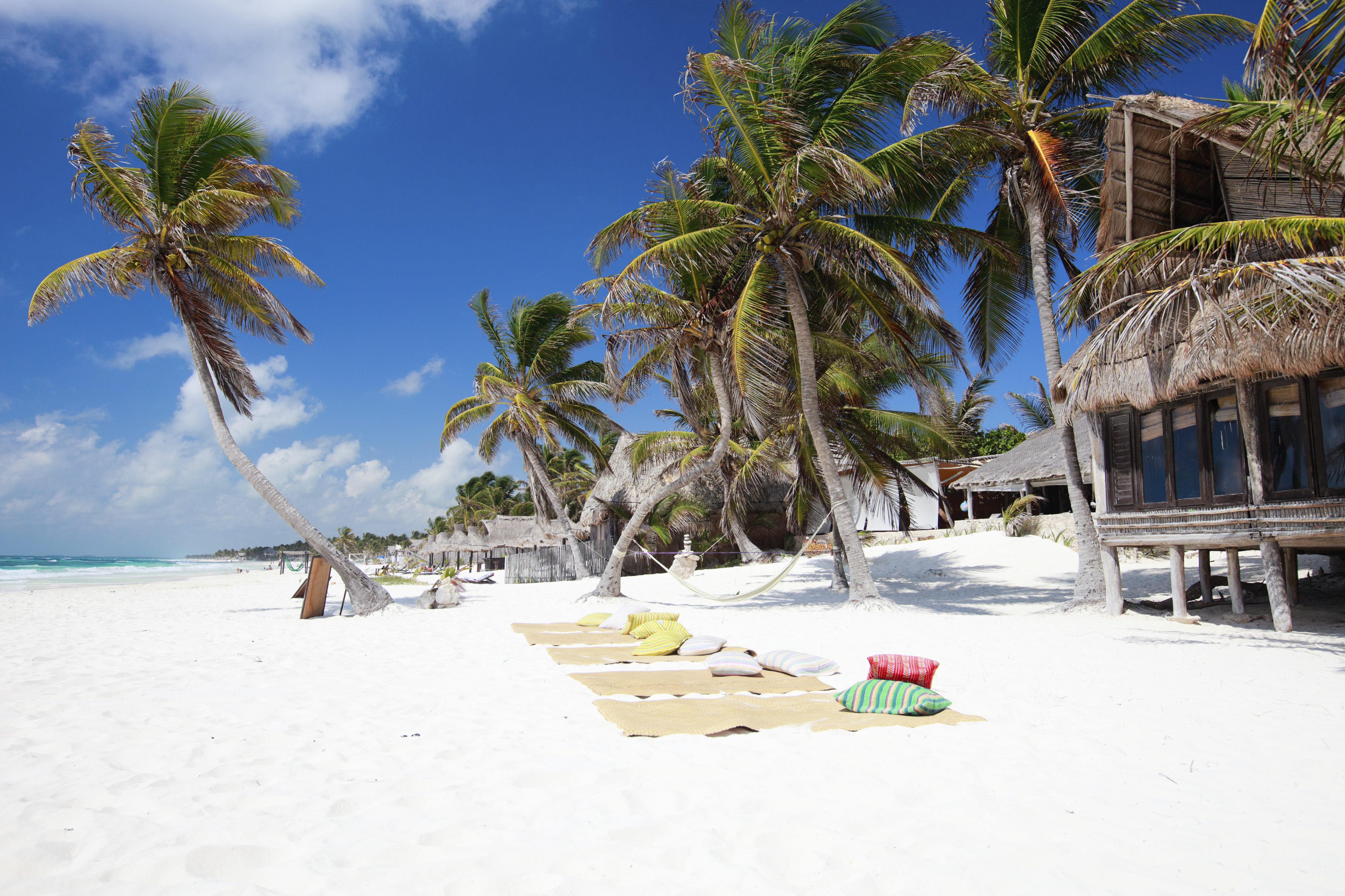
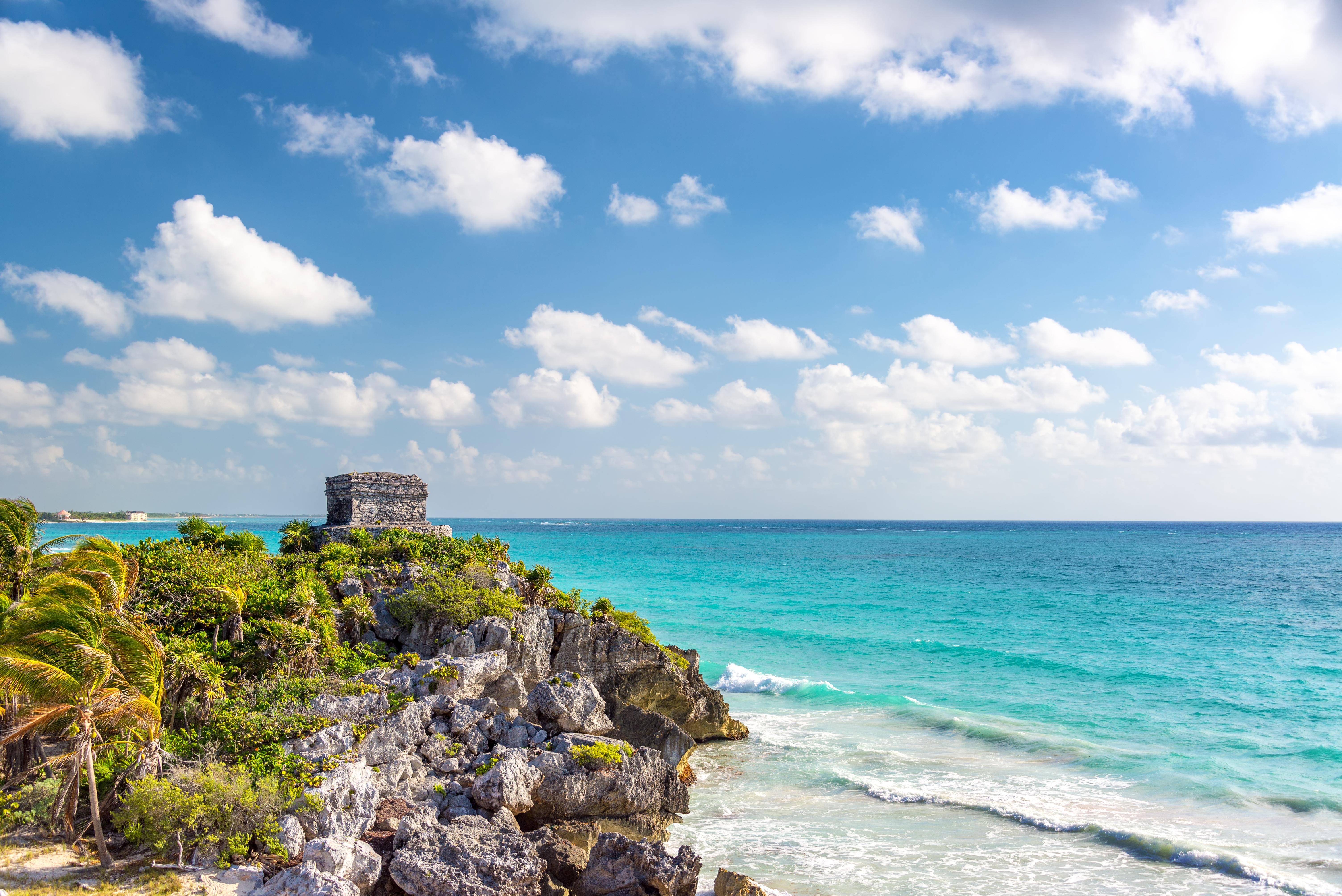
A quieter alternative to nearby Cancún, Tulum has built a strong reputation as a hub for creative and wellness-focused remote workers. There's an active arts scene, plenty of co-working opportunities and a strong sense of community among longer-term residents. It does tend to be pricier than other parts of Mexico, which is worth factoring into your budget. For a well-located stay close to the ruins and town centre, Pacha Tulum Boutique Hotel is a solid, affordable option.
Before you go
Check the Australian Government's Smartraveller page for Mexico, as some regions have current travel warnings and advice.
Planning a longer stint abroad? Check out our budget hacks for long-term travel to make your money go further. If Mexico has whet your appetite for adventure, we've also got guides to the best beaches in Cabo San Lucas and the best time to visit Puerto Vallarta. For those still deciding where to go, our best destinations for foodies is worth a read — and if you're just getting started with travel planning, your first trip has you covered.


