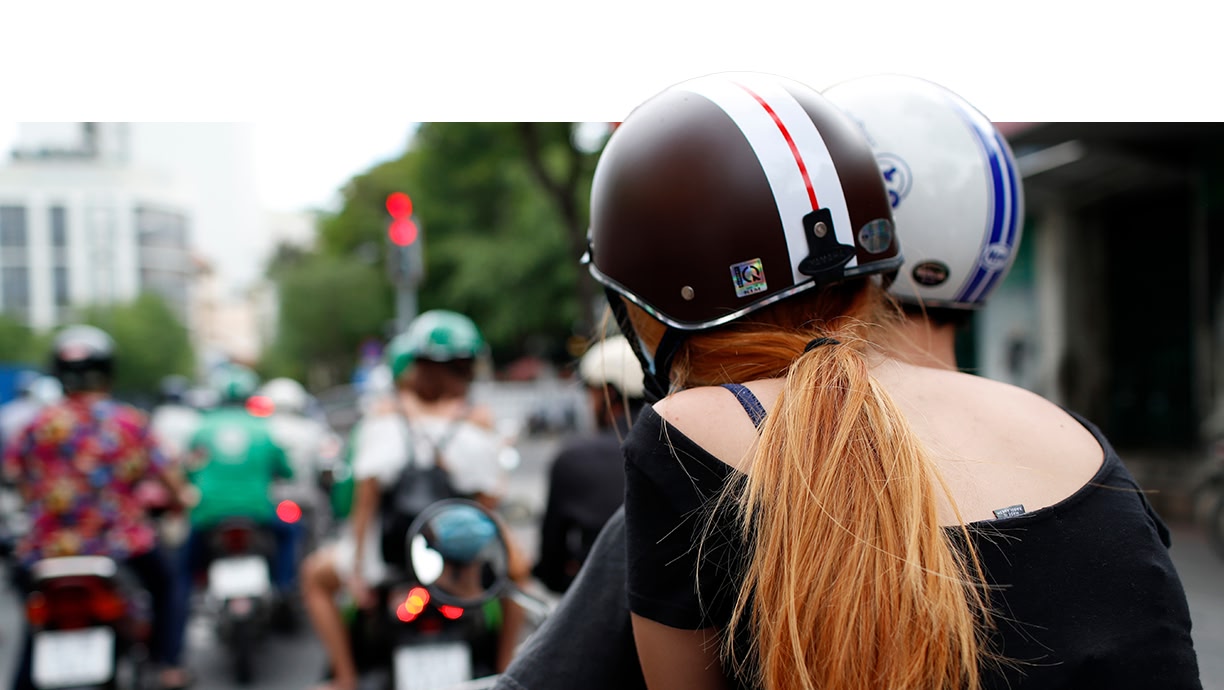
The whizz of traffic. Horns honking. Motorbikes coming from every angle. Ho Chi Minh’s roads are a sight to behold and a challenge to tackle (at least at first). Here's how to get around Ho Chi Minh.
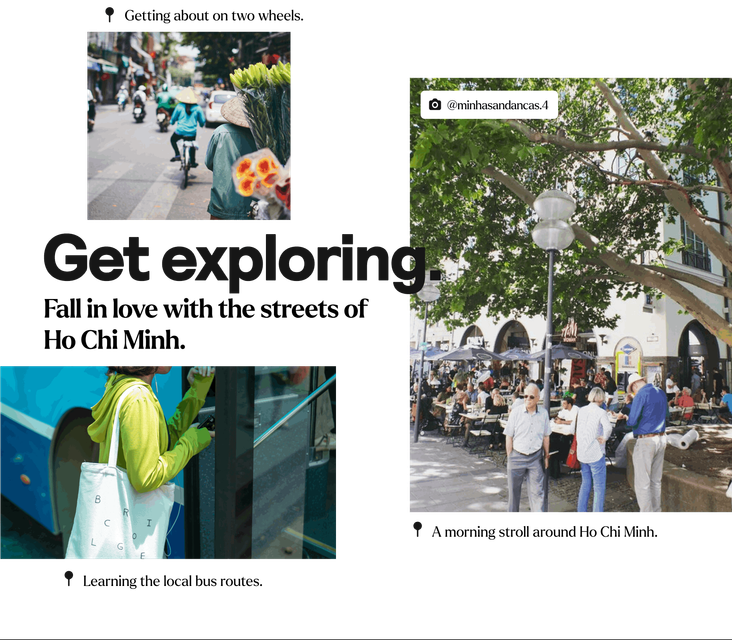
1. Motorbike taxi (Xe om)
The best way to get about Ho Chi Min City. Motorcycle taxis – xe om to the locals – scoot in and out of traffic with ease. Drivers are on every street corner in the major districts and are always willing to accept a passenger.
Just agree a price first, For a freelance xe om, a rough rule of thumb is around 10,000–15,000 VND (roughly A$0.60–0.90) per kilometre, though as a tourist you'll likely be quoted higher — bargaining is expected. and make sure they give you a helmet. You can set a price for one trip or an hourly rate which is ideal if you’ve got a few sights you want to see across a couple of districts.
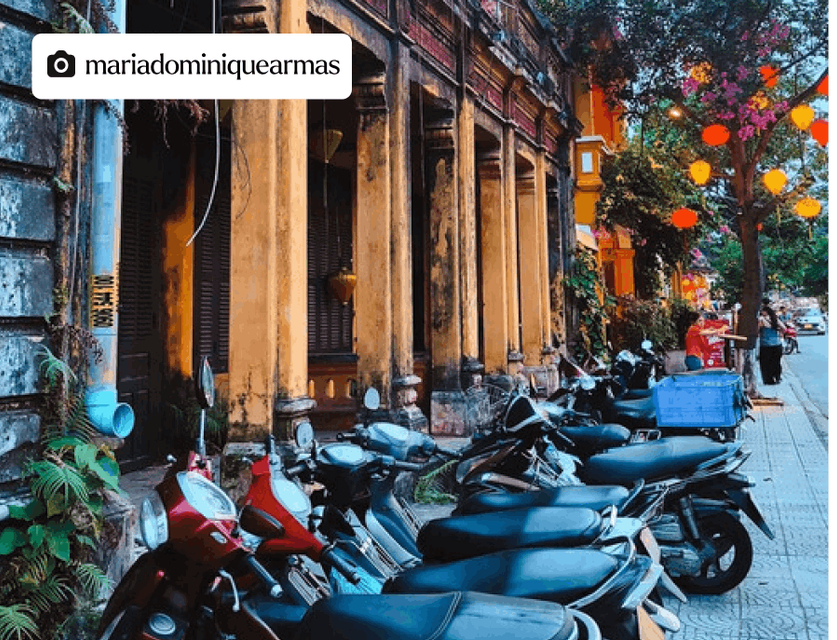
Keep your knees tucked in — with motorbikes weaving from every direction, it's the easiest way to avoid a scrape.
2. Taxis
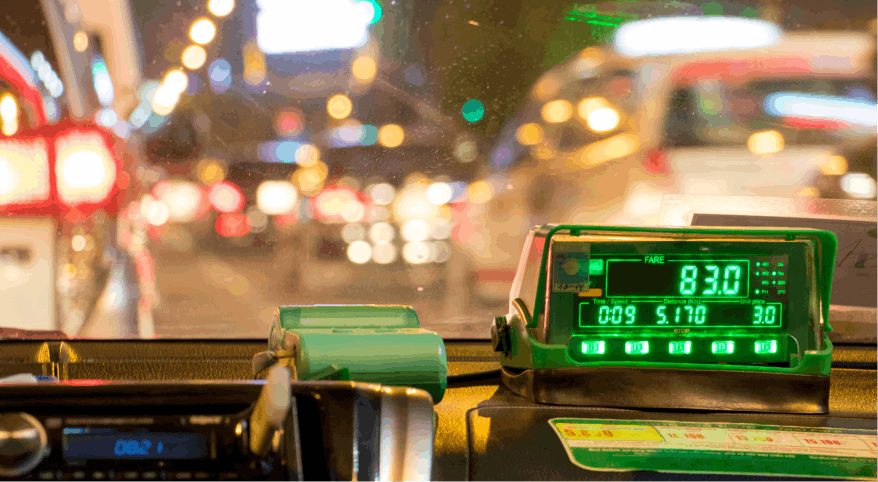
Taxis are a comfortable and affordable option to get around Ho Chi Minh City particularly if you're travelling in a group and don't fancy splitting up across multiple motorbikes. You'll find them waiting outside major hotels, tourist attractions, bars and restaurants, or you can hail one on the street or ask your hotel to arrange one for you. Fares are metered, so always check the metre is running when you get in; you'll pay a standard flag-fall rate plus a per-kilometre charge. Stick with reputable companies like Mai Linh and Vinasun to avoid the fake cabs that roam the streets — some use tampered metres or mimic legitimate branding with subtly different logos, so check the livery carefully before you get in.
For the easiest and most scam-proof experience, download the Grab app before you arrive. It works just like Uber — enter your destination, see the price upfront and get matched with a nearby driver. No negotiating, no metre anxiety and often cheaper than a regular taxi. One thing to watch: fares can jump during rain, so if the skies open and you're trying to get across town, expect to pay a little more.
Try and avoid travelling at peak commuter times – 7-9am and 6-7pm on weekdays. Koreans call it ‘Joik-cheol’ which translates to ‘Hell Train’ when it’s packed with commuters. Don’t ride the Hell Train.
3. Cyclo
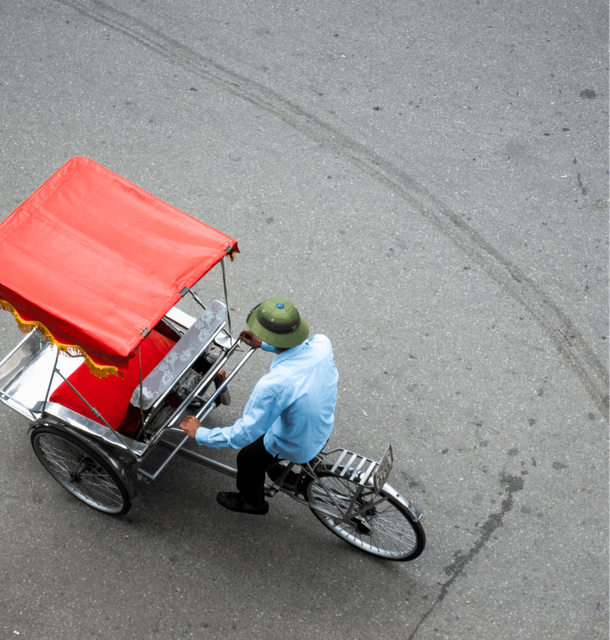
Once the go-to way to get around Ho Chi Minh City, the three-wheeled cyclo has largely given way to motorbikes and ride-hailing apps, but they haven't disappeared entirely. These days they're best treated as a leisurely sightseeing experience rather than a practical way to cross the city; think a slow roll down Dong Khoi Street in District 1 or a gentle loop past the landmarks of the old French Quarter rather than a cross-district commute. If you're happy to sit back, take in the street life and let someone else do the pedalling, they're genuinely good fun.
You can book for a single trip or negotiate an hourly rate — the latter works well if you want to tick off a few sights in one go. Prices are not fixed, so bargaining is part of the deal; expect to start negotiations somewhere around 100,000–150,000 VND (roughly A$6–9) for a short trip, though drivers in tourist-heavy areas will often open much higher. As always, agree on the price before you set off.
4. Motorbike rental
Ridden around Bali? Explored the Vietnamese countryside on two wheels? Good — but know that Ho Chi Minh City is a different beast entirely. Motorbike rental shops are easy to find across the city, and costs are reasonable at around 150,000–300,000 VND (roughly A$9–18) per day depending on the bike. But cheap and available doesn't necessarily mean it's the right call.
Traffic regularly runs nine or ten bikes wide, pedestrians step out without warning and the pace is relentless. You need to be a genuinely confident rider with your wits about you at all times — this is not the place to learn. If you are up for it, head to Pham Ngu Lao Street in District 1, the backpacker hub, where you'll find the best range of rental options at the lowest prices. An international driver's licence that covers motorbikes is also strongly recommended. Some travel insurance companies will not cover any accidents from a motorbike accident if you do not have a dedicated motorbike license.

5. Local bus
They might not be the flashiest way to get around, but Ho Chi Minh City's buses are reliable, air-conditioned and incredibly cheap — fares typically run just 5,000 to 15,000 VND (around A$0.30–0.90) depending on the route and distance. Most are easy to spot by their white exterior with a green stripe, and the network covers 158 routes connecting districts across the city and out to the suburbs. Google Maps is your friend here for route planning, as most signage is in Vietnamese.
The three main bus terminals are Ben Thanh Station, Cholon Station and Mien Dong Station. Ben Thanh Station is a handy base — it's right next to Ben Thanh Market and just a short walk from the Pham Ngu Lao backpacker strip, where you can also pick up a route map.
Arriving by plane? Bus #152 runs directly from Tan Son Nhat Airport to Ben Thanh Market in the city centre for around 6,000 VND per person — hard to beat. If you're heading to Chinatown, bus #147 is the one to catch. Note that bus #152 runs from 5:15am to 7:00pm, departing every 15–20 minutes.
Buses are also your best bet for onward travel out of the city:
Mui Ne — around 2.5 hours, with sea views and sand dunes waiting at the other end
Nha Trang — roughly six hours, with overnight sleeper options available
Phnom Penh, Cambodia — about seven hours, crossing the border along the way
Car hire
Hiring a car in Ho Chi Minh City is possible, but we'd gently steer you away from it for getting around the city itself. When motorbikes are weaving in from every angle and traffic regularly grinds to a standstill, a car is more hindrance than help — you'll spend more time stationary than sightseeing. A GrabCar or metered taxi will serve you far better for inner-city trips.
That said, once you're ready to head beyond the city limits, a hire car starts to make a lot more sense. Driving north to Mui Ne or south into the Mekong Delta is a different experience entirely — open roads, fewer motorbikes and the freedom to stop wherever takes your fancy.
7. Walking
Depending on where you’re staying, there’s plenty to see on foot in HCMC. Or you can combine a little walking with the odd taxi or xe om.
When it comes to crossing the road, be brave. The motorbikes won’t stop for you. Yes, it feels strange to step out into oncoming traffic, but you must show your intentions and be bold. The bikes will see you and swerve around you. If you hesitate and backtrack, that’s when you can get hit. You’ll master it after a couple of tries or be stuck for half an hour waiting for a non-existent gap in the traffic.
Now you know how to get around, it’s time to discover the best districts to stay in and the things to see and do in Ho Chi Min City.
FAQs about the best ways to get around Ho Chi Minh City
Thinking of travelling to Ho Chi Minh? Skyscanner can help you find the best flights, hotels and car hire deals for your next trip.


