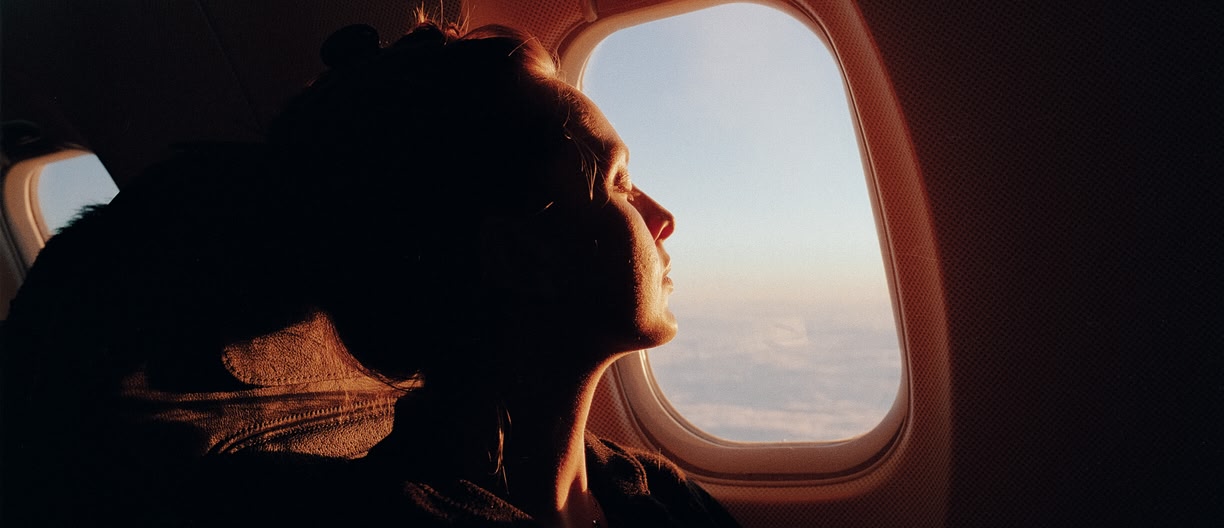
Australians know long-haul travel better than most, so here are the long haul flight hacks that will actually make a difference on your next big trip.
Travellers from Australia and New Zealand are no strangers to long-haul travel if they want to explore other continents. Who would have thought that spending twelve hours sitting down could be so exhausting? Whether you find yourself bored, uncomfortable or hungry when you fly, these long haul travel hacks will help make your next trip a tad easier.
1. Snooze as much as possible
Sleeping on a flight is the best way to arrive as refreshed as possible. While it might be tempting to take advantage of the plane's movie-marathon-worthy entertainment system, your hours are best spent getting some shut-eye. An eye mask, travel pillow and a pair of noise-cancelling headphones are well worth packing in your carry-on. If you struggle to sleep on planes, consider a natural sleep aid like melatonin (check with your doctor before you travel).
2. Exercise and shower right before your flight
Exercising and showering before boarding will make it easier to relax on the plane. Excess energy can make time spent cooped up in a plane seat genuinely uncomfortable. According to sleep scientist Dr Matthew Walker, author of Why We Sleep, exercise and a hot shower are key to a high-quality snooze. Even a brisk 30-minute walk or a gym session the morning of your flight can help burn off nervous energy and prime your body for rest once you're in the air.
3. Dress comfortably
Gone are the days of dressing up during the Golden Age of flying. Wear or pack an outfit to keep you warm and comfortable during the flight. Finding a cosy sitting position is challenging enough without having to adjust an ill-placed button, seam or zipper. Even if you're departing from a warm-weather destination, planes can get surprisingly chilly — particularly on overnight legs.
A lightweight shirt, a jumper, leggings or loose trousers, compression socks and closed-toe shoes work well as both on-plane and off-plane attire. Compression socks in particular are a game-changer on ultra-long-haul routes like Sydney to London or Melbourne to Dallas, helping to reduce swelling and improve circulation on those marathon legs. Pack a spare pair of socks and some fresh underwear too. You'll thank yourself if there's an unexpected delay.
4. Bring travel-friendly snacks
Food options on long-haul flights can be unpredictable. Some airlines have scaled back their inflight meal services, and timing between meals can leave you hungry for hours. Bringing your own snacks — think vegetable sticks, grapes, crackers, muesli bars or pretzels — means you won't have to battle a grumbling stomach no matter the situation. Avoid packing foods that need cutlery, spill easily or have a strong scent (your fellow passengers will appreciate it). A small stash of snacks is also handy if you have dietary requirements that aren't always well catered for in the air.
5. Hydrate, hydrate, hydrate
Staying hydrated on a flight is one of the simplest and most effective long haul travel hacks going around. While some travellers avoid drinking water to minimise bathroom trips, dehydration will leave you feeling far worse on arrival. The Aerospace Medical Association recommends drinking around 250ml of water for every hour you're in the air. This is one of the best ways to help you avoid getting sick on the plane.
Hydration extends to your skin and eyes as well. Cabin humidity typically sits around 20%, an airplane fact for most airlines, which can dry out your skin and cause eye irritation. If you wear contact lenses, swap them for glasses during the flight, and pack a small bottle of moisturiser to keep your skin comfortable. A hydrating facial mist can also be a lovely mid-flight refresh, particularly on long-haul route.
6. Splurge on seat selection
Whether you're a window or aisle person, it's worth paying a little extra for the right seat or upgrading to a higher cabin class. Window seats offer a wall to lean against while you sleep and eliminate the risk of being climbed over. Aisle seats give you the freedom to get up and stretch whenever you like without disturbing anyone.
Wherever possible, avoid seats near the lavatories or family sections of the plane — these areas tend to be noisier and have more foot traffic. Extra legroom seats are worth considering on flights that are over 10 hours. Pull up the airplane seat map and analyse it carefully to see the best and worst seats on your specific aircraft before you book. Once seated, keep the area under the seat in front of you clear for maximum leg space.
7. Stretch it out
Sitting for long periods slows blood flow, leading to swelling, stiffness and general discomfort. From your seat, take a few minutes every couple of hours to roll your neck, rotate your shoulders and circle your wrists and ankles. A gentle self-massage on your shoulders, neck and temples can also help stimulate circulation. Meal and drink service rounds make a handy reminder to do a quick stretch — and if you need a bathroom break, take the long way around the cabin for some extra steps. Many airlines also now feature guided stretch routines in their inflight entertainment systems, so it's worth checking what's available on your next flight.
8. Pack a miniature hygiene kit
A small hygiene kit can make a big difference on a long flight. Pack hand sanitiser, disinfecting wipes, a spare face mask and a toothbrush and toothpaste into your carry-on. When you settle into your seat, wipe down high-touch surfaces including the armrests, tray table, entertainment screen, window shade and overhead buttons. Freshening up mid-flight — a quick face wash, a brush of the teeth and a spritz of facial mist — can also give you a genuine second-wind energy boost, particularly if you're landing in the morning and need to hit the ground running.
FAQs about flying on a long-haul flight
Before you board, brush up on what you can and cannot pack in your carry-on bag and what to expect from food and drink on planes. If you're still sorting out your itinerary, our guides to last-minute flight deals and flexible travelare a great place to start.


