Holidays to Brazil
Top destinations in Brazil
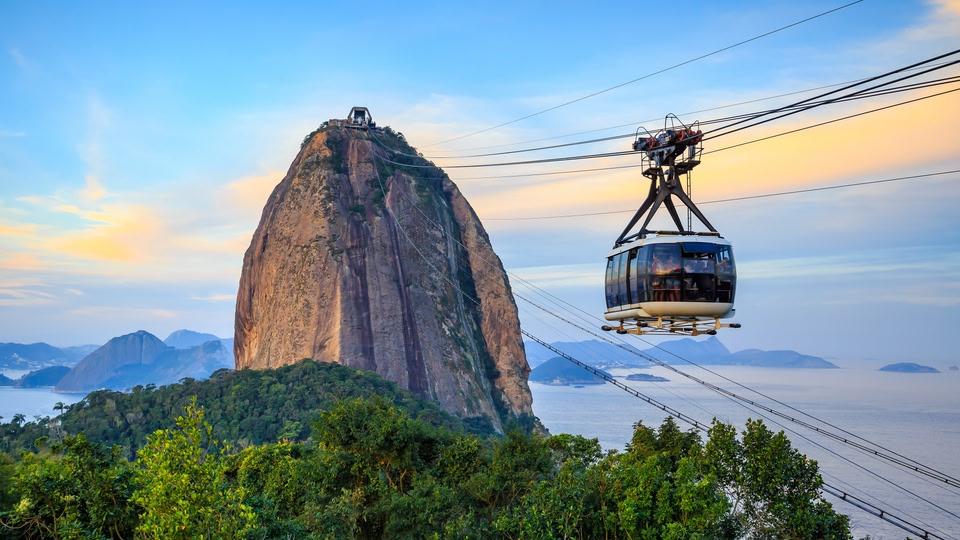
Rio de Janeiro
South America’s sexiest city boasts legendary landmarks, world-famous beaches and one of the biggest street parties on the planet. Welcome to Rio de Janeiro.
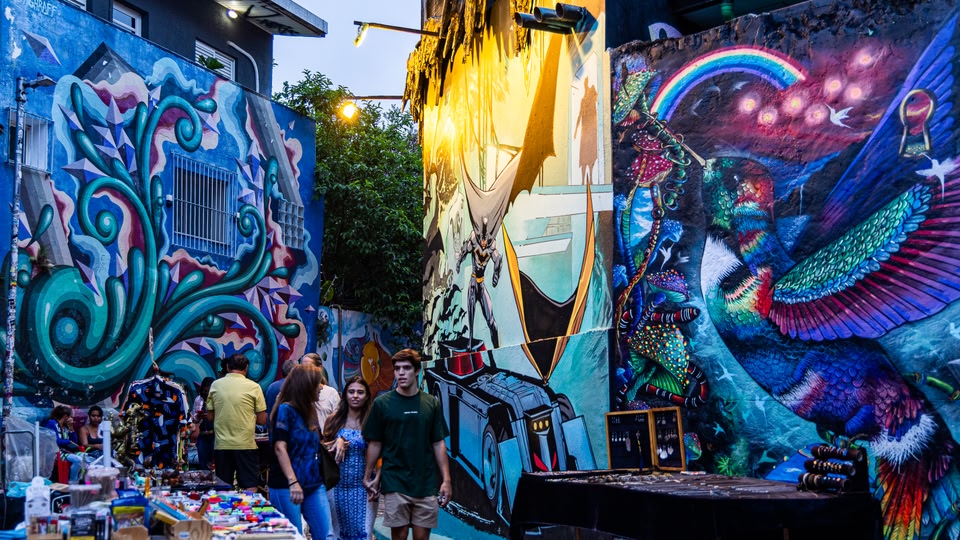
São Paulo
Brazil’s largest city offers big thrills. Admire the cityscape from towering skyscrapers, get lost in sprawling food markets or join locals for a ‘caipirinha’, the national cocktail.

Manaus
Manaus immerses you in the heart of the Brazilian Amazon. Experience the rainforest’s magic through river rafting, jungle treks and stays in remote lodges.
Brazil: fast facts
| Language | Portuguese |
|---|---|
| Currency | Brazilian real (R$) |
| Time zone | Rio de Janeiro - UTC-3 (BRT) |
Brazil holiday highlights
Experience Carnival
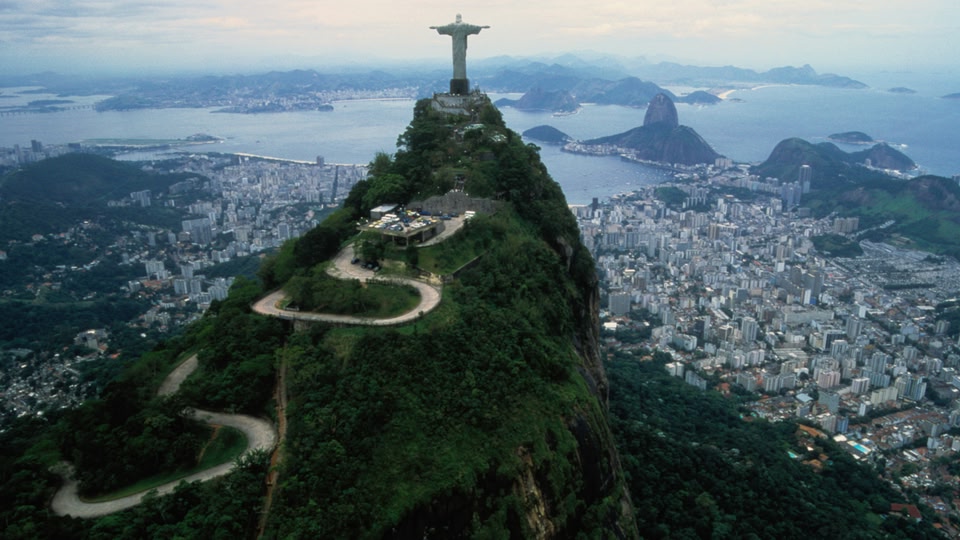
Attending Carnival in Rio de Janeiro is a true bucket-list experience and one of the best things to do in Brazil. For hundreds of years, ‘Cariocas’ (as Rio locals are called) have celebrated the start of Lent by dressing up in elaborate costumes adorned with feathers and sequins. Join the party and enjoy samba-soaked parades through the streets of the city.
Cruise the Amazon
More than 60% of the Amazon rainforest is within Brazil’s borders. From the city of Manaus, take a cruise down the massive Amazon River — it’s so wide that, at some points, you can’t see the far shore. This vital ecosystem is home to threatened species like jaguars and pink river dolphins. And keep your eyes peeled for monkeys, piranhas and sloths.
Attend a cultural festival
The city of Salvador de Bahia is the epicentre of Black Brazil and a must-visit for anyone who wants to understand how Afro-Brazilian culture shaped the country. Learn about the city’s Candomblé religion, take a capoeira class and eat ‘moqueca’, a seafood and coconut stew. Or visit during events like February’s Festa de Yemanjá and November’s Afropunk festival.
Things to do in Brazil
Top attractions
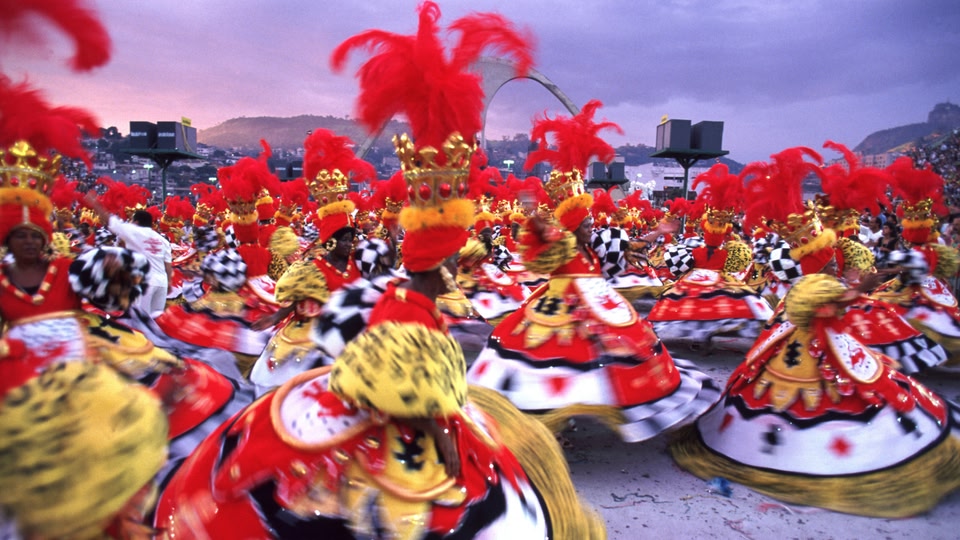
Spend your time filling up on Brazil’s amazing landscapes, from the Amazon River to Iguazu Falls. Laying your eyes on Rio’s stunning Christ the Redeemer is an absolute must. You can take the easy way (hop on the 20-minute electric train) or the hard way (a challenging two-hour hike up Corcovado mountain). Either way, the views from the top are worth it.
Beaches
Rio de Janeiro claims some of the most famous beaches in Brazil, if not the world. Located right in the city, Copacabana and Ipanema are fantastic for people-watching. For a more laid-back vibe, head for remote Fernando de Noronha, an archipelago off the coast whose pristine beaches and delicate ecosystem have been named a UNESCO World Heritage Site.
Nature
If you love wildlife, don’t miss the Pantanal, the world’s largest tropical wetland. Here, you’ll find capybaras, jaguars and the world’s biggest parrot. On the border with Argentina, the imposing cascades of Iguazú Falls are a great place to put things in perspective. In Rio, hike Corcovado to visit Christ the Redeemer, a giant statue that presides over panoramic views of Guanabara Bay.
Culture and museums
Many of the best museums in Brazil can be found in São Paulo, the country’s largest city and its cultural capital. See works by the Brazilian modernist painter Anita Malfatti and others at the Museu de Arte de São Paulo. The Museu Oscar Niemeyer in Curitiba features an eye-popping modernist campus designed by Brazil’s most famous architect.
Cuisine
The best restaurants in Brazil range from the Michelin-starred hotspots of São Paulo to casual markets. Keep your eyes peeled for tropical fruits and authentic dishes like ‘feijoada’, a traditional stew made with meat and beans. Bring your appetite to the ‘rodízio’, a kind of all-you-can-eat buffet where servers slice slabs of meat from skewers onto your plate until you tell them to stop.
Family friendly
Cable cars are always fun for kids, but the one that whisks you to the top of Rio’s dramatic Sugarloaf Mountain is especially exhilarating. The colourful streets of Salvador’s Pelourinho neighbourhood are rich with history, culture and capoeira. Take a guided boat safari through Pantanal Matogrossense National Park to see giant river otters, jaguars and caimans.
Find the best time to visit Brazil
Weather in Brazil
March – May: Autumn is cooler and perfect for an extended city break. If you’re aiming for a beach holiday, set your sights on Bahia, where the weather is warmer year-round.
June – August: Winter is dry and mild, making it a good time to explore the Amazon. True to its name, the rainforest is rainy, but less so between July and December.
September – November: With warming weather and smaller crowds, this may be the best time to visit Brazil’s beaches.
December – February: Brazilian summers are full of hot weather, holiday festivities and Carnaval. It’s also the most popular season for visiting the beaches, especially in Rio.
Events in Brazil
Festa Junina (June): Brazilians honour Saint John, Saint Peter and Saint Anthony each June with folk dances, food and rural cultural traditions. Celebrations happen all over the country, but especially in the northeast.
Rock in Rio (September): With top global headliners and more than a million attendees, this biennial festival is the biggest music event in Brazil and one of the largest in the world.
New Year’s Eve (December to January): ‘Réveillon’ is huge everywhere, but Copacabana’s version is legendary, with millions filling the beach to watch an epic fireworks display.
São Paulo Fashion Week (autumn and spring): The world’s top designers present their latest collection twice a year in Brazil’s cultural capital.
Know before you go
Local etiquette
Brazilians are socially warm. Receiving cheek kisses, hugs and handshakes is common. You’ll notice there’s less of a sense of personal space than you might expect in other countries. In Rio and beyond, women are known for dressing in colourful outfits. The south tends to be a bit more conservative. It’s standard to tip about 10% in restaurants.
Health and safety
Protect yourself from mosquito-borne illnesses like chikungunya, dengue and Zika by wearing insect repellent, especially in the rainy season. Travellers to the Amazon should consider antimalarial medication. Stay healthy by drinking bottled water and guarding against foodborne illness. Sun cream is essential on the coast. Routine vaccines and hepatitis A and typhoid shots are also recommended.
LGBTQ+ travel
Brazil is welcoming to LGBTQ+ travellers, especially in big cities. The country hosts more than 300 Pride celebrations, including some of the biggest in the world in São Paulo and Rio. Same-sex marriage and joint adoption have been legal here since the 2010s, and many cities enforce anti-homophobia laws. Social attitudes may be more conservative in rural areas, so use discretion.
Budget
It’s easy to have a cheap holiday in Brazil. A short taxi ride is around 25 Brazilian reais (R$), and you can easily find a filling meal for less than R$30 thanks to plentiful street food stalls and markets. A beer or coffee costs about R$10.
Getting around Brazil
Public transportation
Buses: Brazil’s intercity buses are reliable, affordable and comfy. You’ll usually find air conditioning, onboard bathrooms and seats that recline all the way back.
Trains: Intercity passenger rail isn’t prevalent in the country, but there are some worthwhile scenic routes. For a breathtaking rail experience, check out the Serra Verde Express, which travels between the city of Curitiba and the town of Morretes.
Boats: Boats and ferries are the main way to travel in the Amazon, though journeys can be slow. Book tickets in advance during peak seasons, and bring a hammock for overnight trips, as it’s often the standard bedding. Pack snacks, water and insect repellent for long rides.
Domestic flights
Brazil is a very large country. If you’re trying to cover a lot of territory in a short amount of time, domestic flights are the way to go. Local carrier LATAM is based in São Paulo and flies almost everywhere, as do low-cost airlines such as Gol and Azul.
Driving
Brazil can be a challenge for inexperienced drivers. While the country’s highways are generally well maintained, many smaller roads are in bad shape, and accidents are common. If you do decide to hire a car, opt for a 4x4, and avoid driving after dark.


