Travelling overseas? One essential you don’t want to forget is the right travel adapter. Here’s how to ensure your tech stays connected without damage or drama.
Australia vs. other plug types
Australia uses the Type I plug, which features two angled flat pins in a V-shape and often a grounding pin. This same plug is used in countries like New Zealand, Fiji and China.
There are 15 plug types used globally, though many regions stick to one or two. For example, Type C is standard across most of Europe and Southeast Asia (excluding the UK), Type G is used in the UK, Singapore and Hong Kong. Type A appears in the USA, Canada, Japan and parts of Central America. Because of these variations, having the right adapter is key.
If you're heading to Thailand, a universal power adapter or Australia to Thailand power plug is best as Thailand commonly uses Type A, B, C and O plugs. In Malaysia, you'll want an Australia to Malaysia power adapter as Type G plugs are most common.
Voltage differences overseas
Australia uses 220–240V electricity, the same as much of Europe and Asia. However, countries like the USA and Japan operate on 100–127V.
While most modern chargers handle dual voltage (check the label to be sure), moving from a higher to a lower voltage isn't automatically safe — if your device isn't rated for the local voltage, it may not work properly or could be damaged. For example, using American gadgets in Australia with a dodgy travel adapter can fry your gear. This is especially the case for gadgets that create heat, like curling irons, blow dryers or cooking equipment. Always check compatibility and avoid cheap converters for sensitive electronics.
Universal travel adapters: Pros and cons
A universal adapter is a great solution for multi-country trips. Many models come with USB ports and multiple plug types, making them perfect for long-term travel. One well-equipped adapter can charge many devices at once.
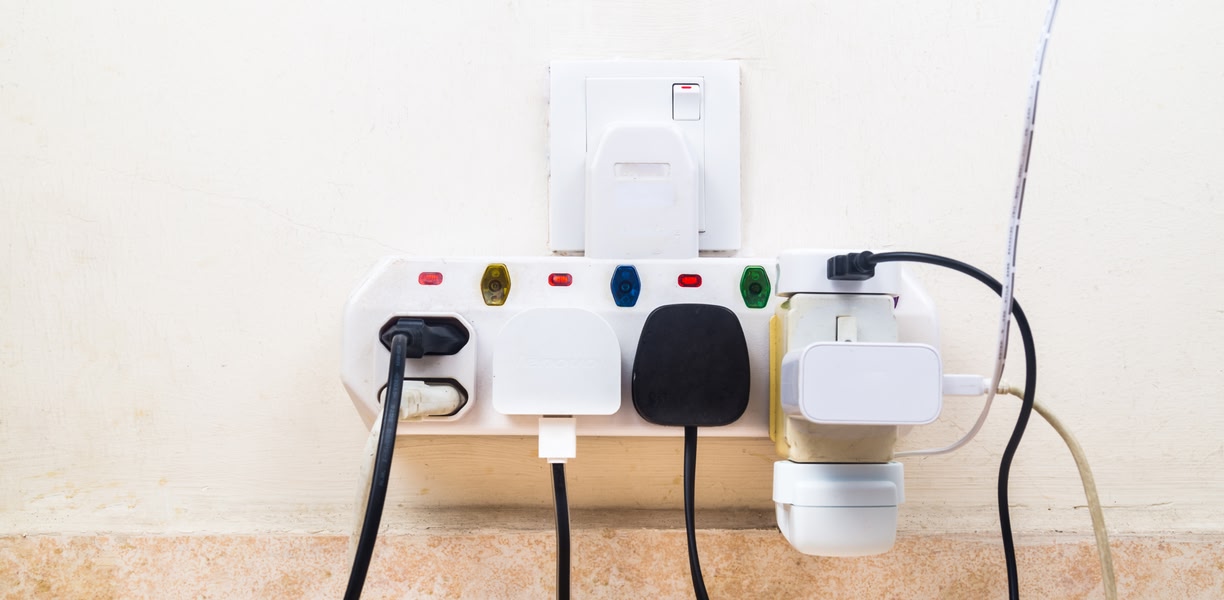
However, they can be bulkier and heavier than single-region adapters. They might not fit in a crowded outlet or stay plugged into the wall once they're weighed down with cables.
If you’re only travelling from Australia to Thailand, a compact Australia to Thailand power adapter might be all you need. But if your route includes Europe, Asia and the US, a universal power adapter is a better investment.
Most common types of travel adapters
There are four key plug types that cover most destinations around the world:
Type I – Used in Australia, New Zealand, China and Fiji.
Type A – Common in the USA, Canada, Japan and parts of Central America.
Type C – The most widespread, used across Europe, Indonesia and Thailand.
Type G – Found in the UK, Singapore, Malaysia and Hong Kong.
Full list of international power adapters
Whether you're after a universal adapter, a region-specific Australia to Malaysia power adapter, or a reliable Australia to Thailand power plug, having the right gear can keep your trip smooth and your devices safe.
No matter where you’re going, we’ve got the answer for the type of plug you need and the voltage in that region.
Destination | Adapter plug type | Voltage |
|---|---|---|
Abu Dhabi | G | 230 V |
Afghanistan | C, F | 220 V |
Albania | C, F | 230 V |
Algeria | C, F | 230 V |
American Samoa | A, B, F, I | 120 V |
Andorra | C, F | 230 V |
Angola | C | 220 V |
Anguilla | A, B | 110 V |
Antigua & Barbuda | A, B | 230 V |
Argentina | C, I | 220 V |
Armenia | C, F | 230 V |
Aruba | A, B, F | 120 V |
Australia | I | 230 V |
Austria | C, F | 230 V |
Azerbaijan | C, F | 220 V |
Azores | B, C, F | 230 V |
Bahamas | A, B | 120 V |
Bahrain | G | 230 V |
Balearic Islands | C, F | 230 V |
Bangladesh | A, C, D, G, K | 220 V |
Barbados | A, B | 115 V |
Belarus | C, F | 220 V |
Belgium | C, E | 230 V |
Belize | A, B, G | 110 V / 220 V |
Benin | C, E | 220 V |
Bermuda | A, B | 120 V |
Bhutan | C, D, G | 230 V |
Bolivia | A, C | 230 V |
Bonaire | A, C | 127 V |
Bosnia & Herzegovina | C, F | 230 V |
Botswana | D, G | 230 V |
Brazil | C, N | 127 V / 220 V |
British Virgin Islands | A, B | 110 V |
Brunei | G | 240 V |
Bulgaria | C, F | 230 V |
Burkina Faso | C, E | 220 V |
Burma/Myanmar | A, C, D, G, I | 230 V |
Burundi | C, E | 220 V |
Cambodia | A, C, G | 230 V |
Cameroon | C, E | 220 V |
Canada | A, B | 120 V |
Canary Islands | C, E, F | 230 V |
Cape Verde | C, F | 230 V |
Cayman Islands | A, B | 120 V |
Central African Republic | C, E | 220 V |
Chad | C, D, E, F | 220 V |
Channel Islands | C, G | 230 V |
Chile | C, L | 220 V |
China | A, C, I | 220 V |
Christmas Island | I | 230 V |
Cocos Islands | I | 230 V |
Colombia | A, B | 110 V |
Comoros | C, E | 220 V |
Congo, Democratic Republic | C, D, E | 220 V |
Congo | C, E | 230 V |
Cook Islands | I | 240 V |
Costa Rica | A, B | 120 V |
Ivory Coast | C, E | 220 V |
Croatia | C, F | 230 V |
Cuba | A, B, C, L | 110 V / 220 V |
Curaçao | A, B | 127 V |
Cyprus | G | 230 V |
Cyprus, North | G | 230 V |
Czech Republic | C, E | 230 V |
Denmark | C, E, F, K | 230 V |
Djibouti | C, E | 220 V |
Dominica | D, G | 230 V |
Dominican Republic | A, B | 120 V |
Dubai | G | 230 V |
East Timor | C, E, F, I | 220 V |
Ecuador | A, B | 120 V |
Egypt | C, F | 220 V |
El Salvador | A, B | 120 V |
England | G | 230 V |
Equatorial Guinea | C, E | 220 V |
Eritrea | C, L | 230 V |
Estonia | C, F | 230 V |
Ethiopia | C, F | 220 V |
Faeroe Islands | C, E, F, K | 230 V |
Falkland Islands | G | 240 V |
Fiji | I | 240 V |
Finland | C, F | 230 V |
France | C, E | 230 V |
French Guiana | C, D, E | 220 V |
Gabon | C | 220 V |
Gambia | G | 230 V |
Gaza Strip | C, H | 230 V |
Georgia | C, F | 220 V |
Germany | C, F | 230 V |
Ghana | D, G | 230 V |
Gibraltar | G | 230 V |
Great Britain | G | 230 V |
Greece | C, F | 230 V |
Greenland | C, E, F, K | 230 V |
Grenada | G | 230 V |
Guadeloupe | C, E | 230 V |
Guam | A, B | 110 V |
Guatemala | A, B | 120 V |
Guinea | C, F, K | 220 V |
Guinea-Bissau | C | 220 V |
Guyana | A, B, D, G | 120 V / 240 V |
Haiti | A, B | 110 V |
Honduras | A, B | 120 V |
Hong Kong | G | 220 V |
Hungary | C, F | 230 V |
Iceland | C, F | 230 V |
India | C, D, M | 230 V |
Indonesia | C, F | 230 V |
Iran | C, F | 230 V |
Iraq | C, D, G | 230 V |
Ireland | G | 230 V |
Ireland, Northern | G | 230 V |
Isle of Man | C, G | 230 V |
Israel | C, H | 230 V |
Italy | C, F, L | 230 V |
Jamaica | A, B | 110 V |
Japan | A, B | 100 V |
Jordan | C, D, F, G, J | 230 V |
Kazakhstan | C, F | 220 V |
Kenya | G | 240 V |
Kiribati | I | 240 V |
Korea, North | C | 220 V |
Korea, South | C, F | 220 V |
Kosovo | C, F | 230 V |
Kuwait | G | 240 V |
Kyrgyzstan | C, F | 220 V |
Laos | A, B, C, E, F | 230 V |
Latvia | C, F | 230 V |
Lebanon | C, D, G | 230 V |
Lesotho | M | 220 V |
Liberia | A, B | 120 V |
Libya | C, L | 230 V |
Liechtenstein | C, J | 230 V |
Lithuania | C, F | 230 V |
Luxembourg | C, F | 230 V |
Macau | G | 220 V |
Macedonia | C, F | 230 V |
Madagascar | C, E | 220 V |
Madeira | C, F | 230 V |
Malawi | G | 230 V |
Malaysia | G | 240 V |
Maldives | C, D, G, J, K, L | 230 V |
Mali | C, E | 220 V |
Malta | G | 230 V |
Marshall Islands | A, B | 120 V |
Martinique | C, D, E | 220 V |
Mauritania | C | 220 V |
Mauritius | C, G | 230 V |
Mayotte | C, E | 230 V |
Mexico | A, B | 127 V |
Micronesia | A, B | 120 V |
Moldova | C, F | 230 V |
Monaco | C, E, F | 230 V |
Mongolia | C, E | 230 V |
Montenegro | C, F | 230 V |
Montserrat | A, B | 230 V |
Morocco | C, E | 220 V |
Mozambique | C, F, M | 220 V |
Namibia | D, M | 220 V |
Nauru | I | 240 V |
Nepal | C, D, M | 230 V |
Netherlands | C, F | 230 V |
New Caledonia | C, F | 220 V |
New Zealand | I | 230 V |
Nicaragua | A | 120 V |
Niger | C, D, E, F | 220 V |
Nigeria | D, G | 230 V |
Niue | I | 230 V |
Norfolk Island | I | 230 V |
North Cyprus | G | 230 V |
Northern Ireland | G | 230 V |
North Korea | C | 220 V |
Norway | C, F | 230 V |
Oman | G | 240 V |
Pakistan | C, D | 230 V |
Palau | A, B | 120 V |
Palestine | C, H | 230 V |
Panama | A, B | 120 V |
Papua New Guinea | I | 240 V |
Paraguay | C | 220 V |
Peru | A, C | 220 V |
Philippines | A, B, C | 220 V |
Pitcairn Islands | I | 230 V |
Poland | C, E | 230 V |
Portugal | C, F | 230 V |
Puerto Rico | A, B | 120 V |
Qatar | G | 240 V |
Réunion | C, E | 230 V |
Romania | C, F | 230 V |
Russia | C, F | 220 V |
Rwanda | C, J | 230 V |
Saba | A, B | 110 V |
Saint Barthélemy | C, E | 230 V |
Saint Kitts and Nevis | D, G | 230 V |
Saint Lucia | G | 230 V |
Saint Martin | C, E | 220 V |
Saint Helena | G | 230 V |
Sint Eustatius | A, B, C, F | 110 V / 220 V |
Sint Maarten | A, B | 110 V |
Saint Vincent & Grenadines | A, B, G | 110 V / 230 V |
Samoa | I | 230 V |
San Marino | C, F, L | 230 V |
São Tomé & Príncipe | C, F | 230 V |
Saudi Arabia | G | 230 V |
Scotland | G | 230 V |
Senegal | C, D, E, K | 230 V |
Serbia | C, F | 230 V |
Seychelles | G | 240 V |
Sierra Leone | D, G | 230 V |
Singapore | G | 230 V |
Slovakia | C, E | 230 V |
Slovenia | C, F | 230 V |
Solomon Islands | G, I | 230 V |
Somalia | C | 220 V |
Somaliland | C | 220 V |
South Africa | C, D, M, N | 230 V |
South Korea | C, F | 220 V |
South Sudan | C, D | 230 V |
Spain | C, F | 230 V |
Sri Lanka | D, G | 230 V |
Sudan | C, D | 230 V |
Suriname | A, B, C, F | 127 V / 230 V |
Swaziland | M | 230 V |
Sweden | C, F | 230 V |
Switzerland | C, J | 230 V |
Syria | C, E, L | 220 V |
Tahiti | C, E | 220 V |
Taiwan | A, B | 110 V |
Tajikistan | C, F | 220 V |
Tanzania | D, G | 230 V |
Thailand | A, B, C, O | 230 V |
Togo | C | 220 V |
Tokelau | I | 230 V |
Tonga | I | 240 V |
Trinidad & Tobago | A, B | 115 V |
Tunisia | C, E | 230 V |
Turkey | C, F | 230 V |
Turkmenistan | C, F | 220 V |
Turks & Caicos Islands | A, B | 120 V |
Tuvalu | I | 230 V |
Uganda | G | 240 V |
Ukraine | C, F | 230 V |
United Arab Emirates | G | 230 V |
United Kingdom | G | 230 V |
United States of America | A, B | 120 V |
United States Virgin Islands | A, B | 110 V |
Uruguay | C, F, L | 220 V |
Uzbekistan | C, F | 220 V |
Vanuatu | I | 230 V |
Vatican City | C, F, L | 230 V |
Venezuela | A, B | 120 V |
Vietnam | A, C, D | 220 V |
Virgin Islands, British | A, B | 110 V |
Virgin Islands, United States | A, B | 110 V |
Wales | G | 230 V |
Yemen | A, D, G | 230 V |
Zambia | C, D, G | 230 V |
Zimbabwe | D, G | 240 V |


